


 (1).png)
News:
Owners Developers & Managers
Posted: January 2, 2008
Discharge of indebtedness excluded from taxable income
Many taxpayers acquired their residences with highly leveraged mortgages during inflationary periods in the housing market. The belief was that as housing prices continued to escalate, home owners would be able to create equity through mortgage amortization, coupled with appreciation in their residences. However, when the housing market began to decline, these same taxpayers found that their mortgage debt exceeded the fair market value of the home. Based on the lender, taxpayers faced either foreclosure on the property or renegotiated the outstanding balance of the debt downward to reflect the current value of the property. In either case, Internal Revenue Code Section 61 requires that income from the discharge of indebtedness be included in gross income unless it is excludable under Code Section 108.
The Mortgage Forgiveness Debt Relief Act of 2007, (which will become law after it receives Presidential approval) includes a relief provision that applies to taxpayers, other than those covered by Code Section 108. This relief would apply to solvent taxpayers who have realized taxable income as a result of a full or partial discharge of qualified principal residence indebtedness. Under the bill, instead of recognizing income, the discharged indebtedness income would be deducted from the taxpayer's basis in the residence. The amount subject to this adjustment would be limited to the taxpayer's acquisition indebtedness, defined as debt incurred in the acquisition, construction, or substantial improvement of the principal residence and secured by the residence. Any amounts forgiven, in excess of the acquisition indebtedness, would still be taxable under Code Section 61.
The intent of this bill is to eliminate the tax liability on these restructurings or foreclosures, which will assist the taxpayer in re-establishing his financial position without suffering a tax on phantom income from this discharged indebtedness.
Norman Posner, CPA, managing partner, Samet & Co., Chestnut Hill, Mass. Ron Mutascio, CPA, MST, also with Samet, contributed to this article.
MORE FROM Owners Developers & Managers

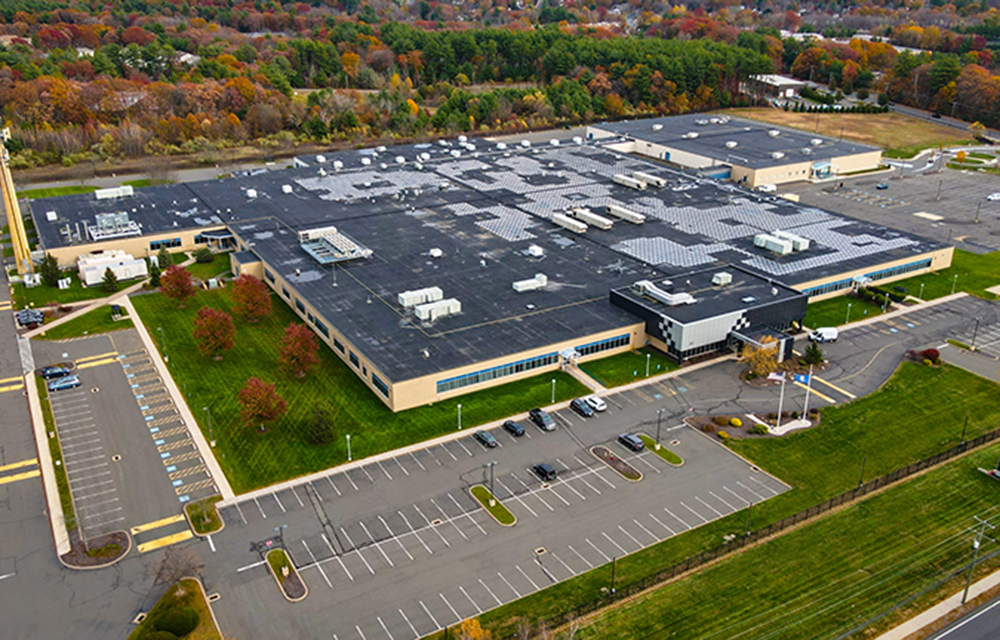
Windsor approves redevelopment of 500 Day Hill Rd. for mixed-use residential community
Windsor, CT The town has granted approvals for the redevelopment of 500 Day Hill Rd., clearing the way for a mixed-use residential community that will convert a former office campus into a housing development totaling approximately 300 residential units


.png)


Quick Hits


Columns and Thought Leadership

Florida ruling raises bar for condo terminations and buyouts - by Michael Karsch
On October 14, 2025, in a landmark decision with significant implications for the Florida real estate market, the Supreme Court of Florida formally denied Two Roads Development’s (TRD Biscayne LLC) petition for review in its long-running case against unit owners of Biscayne 21,

IREM president’s message: Our new reality - Staying ahead of supply chain delays - by Yoany Vargas
Supply chain delays are slowing construction, ratcheting up operating costs, and extending turnover timelines across Greater Boston, directly reducing revenue and increasing the workload for multifamily and

Retail infill strategy to activate Pawtucket’s Conant Thread District - by Gaetan Kashala
Until recently, the Conant Thread District consisted of approximately 150 acres of underutilized industrial land spanning Pawtucket and Central Falls. Today, the area is one of the most significant

Revitalized Town Centers: Retail??? - by Carol Todreas
It is now widely accepted that customers want to shop in person at physical stores. Brands know that they do better business in a physical store than just on line so they want to open stores. Demand for retail space by digital merchants, local entrepreneurs, and newly developed national chains