


.png)
News:
Construction Design & Engineering
Posted: May 17, 2012
Fluke's thermal imaging products can protect your building's envelope from moisture, mold and damage
The presence of moisture in building envelopes, whether from leakage or condensation, can have serious consequences. For example, moisture in insulation reduces its insulating capability, causing heating and/or cooling losses and wasting energy. Moisture can also cause structural deterioration and foster the growth of mold, while a serious roof leak can damage or destroy a building's contents.
Thermography, also known as thermal imaging, is well suited to identifying wet spots in building envelopes. As a diagnostic technique, thermography captures two-dimensional images of the apparent temperatures of equipment and structures. Thermal images can reveal anomalies in roofs and walls that can indicate the presence of moisture as buildings cool after having been under a thermal load.
What to look for?
Collecting thermal images is a good first step in analyzing a structure and identifying suspected problem areas. Unlike other moisture-detecting technologies, such as meters, thermography requires no physical contact with roofs, ceilings, walls or floors. In addition, you can check inaccessible areas and cover a large area in a single image. Regular building-envelope inspections are key to prolonging the lives of industrial, commercial and institutional buildings.
New construction and especially new roofs should by thoroughly inspected 6 to 9 months after construction, while the structure is still under warranty. That time lag allows the structure to experience the elements, hopefully a rainy season. Then, perform additional building-envelope scans every two to five years. Compare them to the original, baseline images to establish trends and determine remedies to any deterioration.
Experts estimate that preventive maintenance of this kind will double the life your facility's roof. Roof inspections should be conducted with the imager mounted on a tripod, so that the technician can concentrate on properly adjusting the camera to maximize the thermal resolution and analyzing the image. Fluke thermal imagers include IR-Fusion, a technology that fuses a visual, or visible light, image with an infrared image for better identification, analysis and image management. The dual images are accurately aligned at any distance heightening details, making it much easier to spot where further investigation is needed.
Follow-up actions
Before checking your building for moisture, be aware that this kind of inspection constitutes one of the most challenging uses for IR thermography. Buildings vary with respect to kind, use, construction techniques, building materials, size and so on.
Conducting effective thermal building surveys requires understanding construction methods and the thermal characteristics of building components, as well as how to account for changing thermal conditions within and around buildings. Then, following the IR inspection, determine where inside heat sources are and whether they affected the exterior images. Finally, perform further analysis to confirm the findings. Infrared inspections provide the most cost effective means of ensuring that the roof is properly sealed, but the presence of a thermal anomaly does not indicate the presence of moisture in the roof. It is essential to follow up with core samples and other techniques. Reference ASTM C1153 Standard practice for location of wet insulation in roofing systems using infrared thermography. When you have accurately identified moisture in a building's envelope, targeted maintenance work can be performed.
Since its founding in 1948, Fluke Corp. has helped define and grow a unique technology market, providing testing and troubleshooting capabilities that have grown to mission critical status in manufacturing and service industries. Every new manufacturing plant, office, hospital, or facility built today represents another potential customer for Fluke products.
From industrial electronic installation, maintenance and service, to precision measurement and quality control, Fluke tools help keep business and industry around the globe up and running. Typical customers and users include technicians, engineers, metrologists, medical-device manufacturers, and computer network professionals — people who stake their reputations on their tools, and use tools to help extend their personal power and abilities.
Fluke has achieved the number one or number two position in every market in which it competes. The Fluke brand has a reputation for portability, ruggedness, safety, ease of use and rigid standards of quality.
A wholly owned subsidiary of Danaher Corp., Fluke is a multi-national corporation headquartered in Everett, Washington. Manufacturing centers are located in the USA, the UK, Asia and The Netherlands. Sales and service subsidiaries are located in Europe, North America, South America, Asia and Australia. Fluke Corporation has authorized distributor and manufacturer representative channels in more than 100 countries and employs approximately 2,400.
MORE FROM Construction Design & Engineering
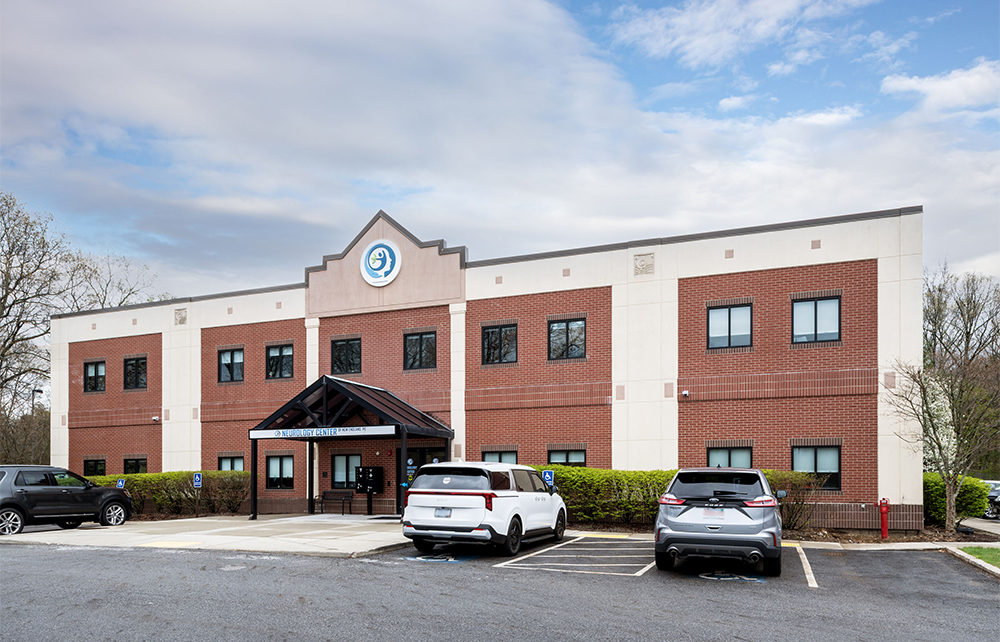
Timberline Construction Corp. completes renovations for Neurology and Infusion Center of New England
Foxborough, MA Timberline Construction Corp. (Timberline) has completed a 20,000 s/f healthcare construction project for the Neurology and Infusion Center of New England at 18 Washington St. The full interior renovation transforms an existing two-story medical office building into a purpose-built outpatient care environment that doubles the center’s clinical footprint, expands services and positions the growing practice for its next chapter.
.jpg)



Quick Hits


Columns and Thought Leadership

ABC-Mass. chairman’s message: Rent control isn’t the answer to our housing crisis - by Luiza Mills
As you may know, Massachusetts voters will be weighing in on a number of ballot initiatives in November. Among them is a proposal to impose the nation’s strictest statewide rent control policy. I’d like to tell you why the ABC MA Board

It’s time to lead: Confronting mental health in construction - by David Watts
As we close Mental Health Awareness Month, we must be clear: May isn’t just about ribbons, hashtags, or lunchtime mindfulness apps. It’s about responsibility to confront hard truths that linger in silence, and to challenge ourselves, as leaders in our industry, to do more.

Navigating tariffs and material uncertainty in today’s construction market - by Karl Ginand and Tiffany Gallo
As headlines around tariffs seem to dominate the news daily, many considering construction projects have anticipated major cost escalations and widespread supply issues. While tariffs haven’t driven pricing spikes to the extent once feared, the lasting impact has been a new layer of uncertainty, affecting more than just budgets.

Greenwood Credit Union City Hall Plaza nears completion - by Frank Picozzi
After several years of planning, construction, and anticipation, the community is eagerly awaiting the opening of the Greenwood Credit Union City Hall Plaza and outdoor skating rink later this month.