



News:
Spotlight Content
Posted: September 26, 2025
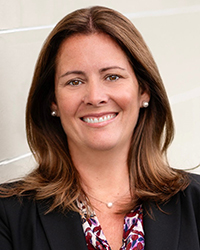
2025 Women in CRE: Kelsey Dunning, Vantage Builders

Controller / Benefits Administrator
Vantage Builders
What has been the most rewarding project or deal you’ve worked on in your career, and why? We completed a significant business integration project that incorporated Procore, Sage Intacct, and ADP into our company’s systems. It was complex since these systems touch every aspect of our business. But it created significant improvements internally – better collaboration, communication and organization – that ensure that we are delivering to our clients. It was challenging, but seeing it all come together was really fulfilling.
What drew you to commercial real estate, and what keeps you passionate? I started at Vantage Builders as a college intern, when I was exploring different career paths in accounting and finance. What drew me in was the dynamic nature of the industry, the complexity of the work, and the variety within the role. Over time, I’ve accepted additional responsibility – I’ve been promoted to Controller, joined the senior management team and taken on benefits administration. What keeps me passionate is being able to contribute in a meaningful way through financial leadership.
What advice would you give to a woman considering a career in commercial real estate? Anyone beginning their career in CRE should get involved early with professional organizations – networking is essential in this industry and can open doors while providing valuable support. You can also learn from people who have the benefit of experience. Don’t hesitate to ask questions or seek help; learning from others is crucial for growth. Most importantly, speak up – your voice, perspective, and expertise matter. Confidence and presence are key to making an impact.
Tags:
Spotlight Content
MORE FROM Spotlight Content

New England Real Estate Journal's 2026 Women in Commercial Real Estate Spotlight
NEREJ's Women in CRE Spotlight celebrates the women making an impact across commercial real estate and the companies that recognize, support and champion them.







 (1).gif)
.png)
Columns and Thought Leadership
Limited supply fuels landlord‑friendly conditions in Rhode Island’s industrial market - by Julie Freshman and George Paskalis
As we enter the spring of 2026, the Rhode Island industrial real estate market stands on stable footing, following several years of resilience fueled by constrained supply, steady demand, and dynamic economic conditions.

How do we manage our businesses in a climate of uncertainty? - by David O'Sullivan
These are uncertain times for the home building industry. We have the threat of tariffs mixed with high interest rates and lenders nervous about the market. Every professional, whether builder, broker, or architect, asks themselves, how do we manage our business in today’s climate? We all strive not just to succeed, but

As legacy names recalibrate, new entrants are moving in with fresh capital, new technologies, and business models tailored to today’s supply-chain needs - by Michael Harrington
Southern New Hampshire’s industrial market has always punched above its weight. For decades, the region has attracted a mix of advanced manufacturing, beverage and food producers, logistics operators, and specialty

Shallow-bay wins on 495/128: A renewal-driven market with a thin pipeline - by Nate Nickerson
The Boston industrial market entered mid-2025 in a bifurcated state. Large-block vacancy remains elevated, while shallow-bay along the 495/128 corridor continues to prove resilient. Fieldstone’s focus on this geography positions us squarely in the middle of a renewal-driven, supply-constrained
