



News:
Spotlight Content
Posted: October 30, 2026
2026 Fall Preview: Kayla Nassar, AMCON
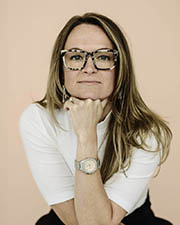
CEO
AMCON
What trends or changes are having the greatest impact on your sector of commercial real estate this fall, and how are they shaping your business?
What would your team do with the hours spent chasing leads, answering email, updating systems, creating content, and keeping up with what’s next? At AMCON, we’re finding out. We are investing in an AI business brain that connects every department, led by a pilot team testing what’s possible. Less redundancy. Less busy work. More capacity for what our partners value most: responsiveness, strategic thinking, and innovation. We love talking about it. Ask us what we’re discovering.
Where do you see the greatest opportunities in your market or area of expertise as we approach the end of 2026 and look ahead to 2027?
Where is New England’s next wave of building coming from? Look at the planning board agendas. Massachusetts’ new multifamily zoning has pushed more than 100 projects and nearly 7,000 homes into the permitting pipeline, most of them beyond walking distance of a station. Owners are pairing housing with ground floor retail and reusing buildings they already have. These projects are cost sensitive and fast moving, which is exactly the work AMCON is built for.
What are the biggest challenges your clients are facing in today’s market, and how is your firm helping them navigate those challenges?
High interest rates are squeezing every pro forma, and that pressure lands on construction cost. Design bid build can’t solve that. By the time a contractor sees the drawings, the best savings are gone. The answer is to bring the builder in early to work alongside design and engineering, testing every option: specifications, constructability, value engineering. When the right partners lock arms from day one, projects that didn’t pencil can get built.
What advice would you offer clients, colleagues or fellow industry professionals as they plan for the coming months?
Start. AI feels intimidating until you use it, and then it becomes a tool like any other. The change is coming to construction whether we’re ready or not. The only question is when. The firms that start learning now will set the pace. Pick one process, one team, one problem, and begin. The hardest part is the first step. Everything after that gets easier.
Tags:
Spotlight Content
MORE FROM Spotlight Content

New England Real Estate Journal's 2026 Women in Commercial Real Estate Spotlight
NEREJ's Women in CRE Spotlight celebrates the women making an impact across commercial real estate and the companies that recognize, support and champion them.







Quick Hits

.png)
Columns and Thought Leadership

Shallow-bay wins on 495/128: A renewal-driven market with a thin pipeline - by Nate Nickerson
The Boston industrial market entered mid-2025 in a bifurcated state. Large-block vacancy remains elevated, while shallow-bay along the 495/128 corridor continues to prove resilient. Fieldstone’s focus on this geography positions us squarely in the middle of a renewal-driven, supply-constrained

Limited supply fuels landlord‑friendly conditions in Rhode Island’s industrial market - by Julie Freshman and George Paskalis
As we enter the spring of 2026, the Rhode Island industrial real estate market stands on stable footing, following several years of resilience fueled by constrained supply, steady demand, and dynamic economic conditions.

How do we manage our businesses in a climate of uncertainty? - by David O'Sullivan
These are uncertain times for the home building industry. We have the threat of tariffs mixed with high interest rates and lenders nervous about the market. Every professional, whether builder, broker, or architect, asks themselves, how do we manage our business in today’s climate? We all strive not just to succeed, but

As legacy names recalibrate, new entrants are moving in with fresh capital, new technologies, and business models tailored to today’s supply-chain needs - by Michael Harrington
Southern New Hampshire’s industrial market has always punched above its weight. For decades, the region has attracted a mix of advanced manufacturing, beverage and food producers, logistics operators, and specialty
