

 (1).gif)

Each year, around 100 valuation professionals around the country are selected to participate in the Appraisal Institute’s Leadership Development and Advisory Council (LDAC) in Washington, DC. This year, attendees at the three-day conference held from May 16-18 advocated for the appraisal profession on Capitol Hill, urging congressional support for appraisal regulatory relief and lobbying lawmakers on several key pieces of legislation. In addition, participants received updates from Appraisal Institute leadership and took part in facilitated discussion forums devoted to the formulation of solutions to challenges faced by the appraisal profession.
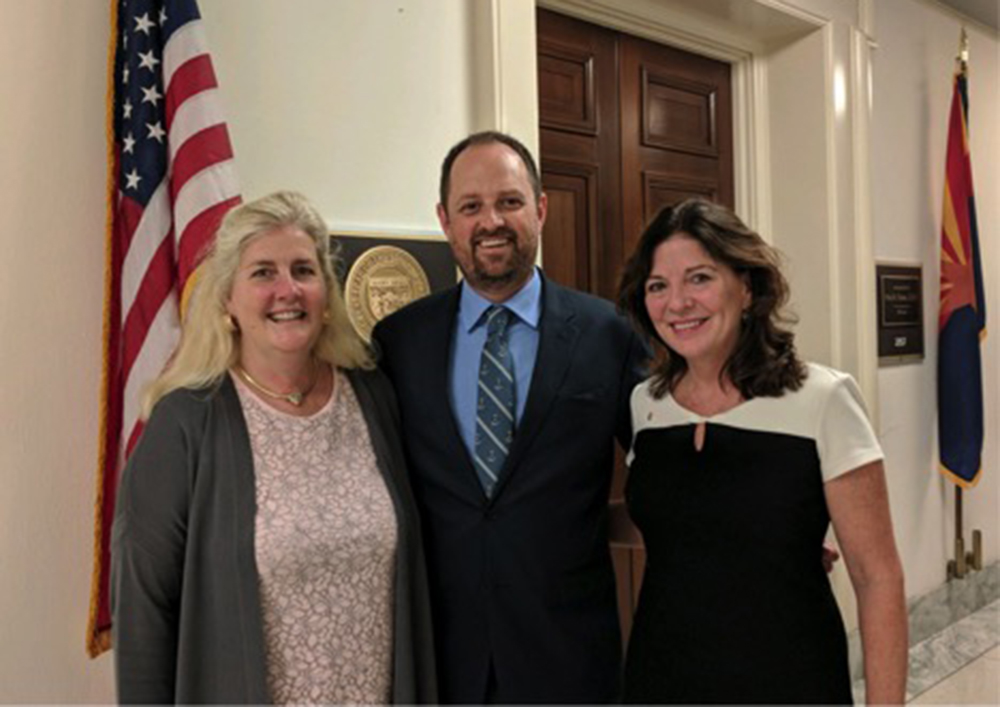
The Massachusetts and Rhode Island Chapter Board of Directors selected three members to participate in LDAC 2018. These included third year participant, Deborah Carlson, a candidate for designation and appraisal manager at Needham Bank, Susan Kelly, SRA, owner and CEO of Appraisal Solutions based in Lincoln, R.I. and myself, a second year participant. Deb, Sue and I were sponsored by the Massachusetts and Rhode Island Chapter, as well as the John D. Hewitt Memorial Scholarship fund.
Since its inception in 1969, LDAC has served a valuable leadership development function for the Appraisal Institute. Through a series of roundtable discussions, LDAC provides a forum where new ideas on topics of concern can be exchanged. Through these discussion forums, participants are asked to take a forward-looking view of the appraisal profession and the organization in order to anticipate and advance new programming ideas and initiatives. This year the following topics were explored under the guidance of discussion leaders who were prior LDAC participants: “Grow the Tent/Residential Outreach,” “Where are the Best Opportunities for Appraisers in the Future?” “Build and Expand the Professional Community,” and “Growing Outside the Box.”
LDAC participants represented a particularly broad and talented spectrum of AI membership, including residential and commercial appraisers, designated members and candidates, current chapter and regional leaders and emerging associates, and valuation professionals from all manner of appraisal practice including appraisal review. The conference also benefited from its geographic diversity, with attendees from all corners of the country, including Hawaii and Puerto Rico. As a result, discussion during these forums was lively, vigorous, and wide-ranging.
LDAC emphasizes the importance of being actively involved in the political process by establishing an appraiser presence on Capitol Hill. This year, participants spoke with lawmakers and staff about three specific pieces of legislation introduced this session, including the recently passed regulatory overhaul (S. 2155) which provides an allowance from appraisal requirements with loans held in portfolio in rural areas if lenders are unsuccessful in placing an appraisal assignment with appraisers on their approved appraiser list. AI professionals also lobbied lawmakers on reforming the overall appraisal regulatory structure instead of establishing exemptions. This would alleviate appraisal shortage concerns by making the valuation profession more efficient and attractive to prospective appraisers while mitigating a buildup of risk in the financial system.
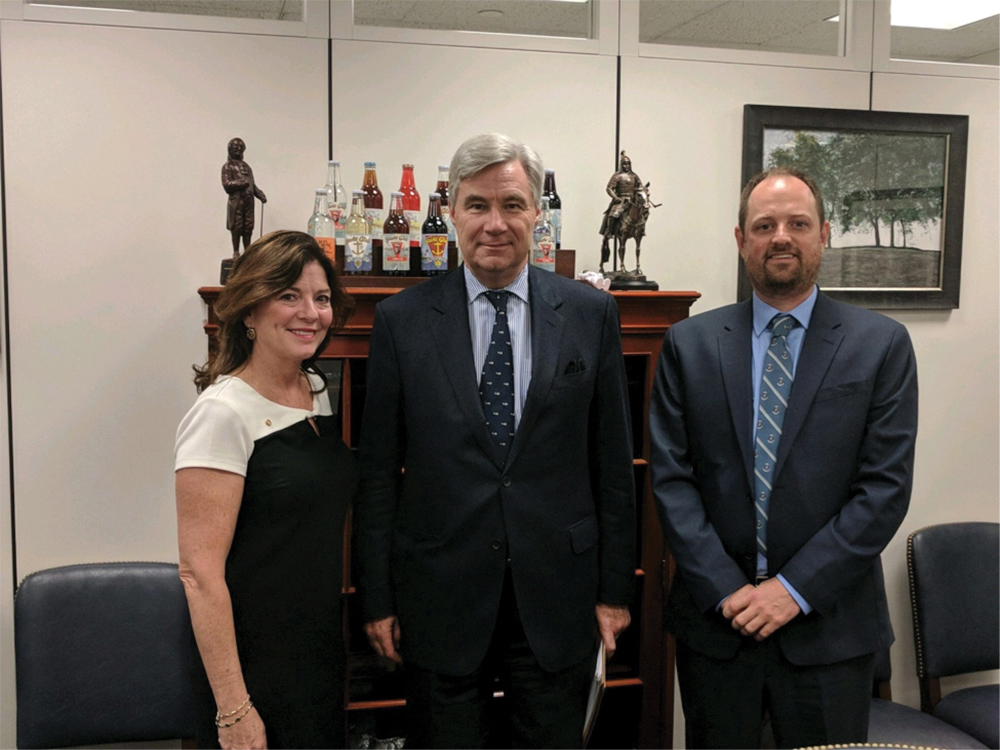
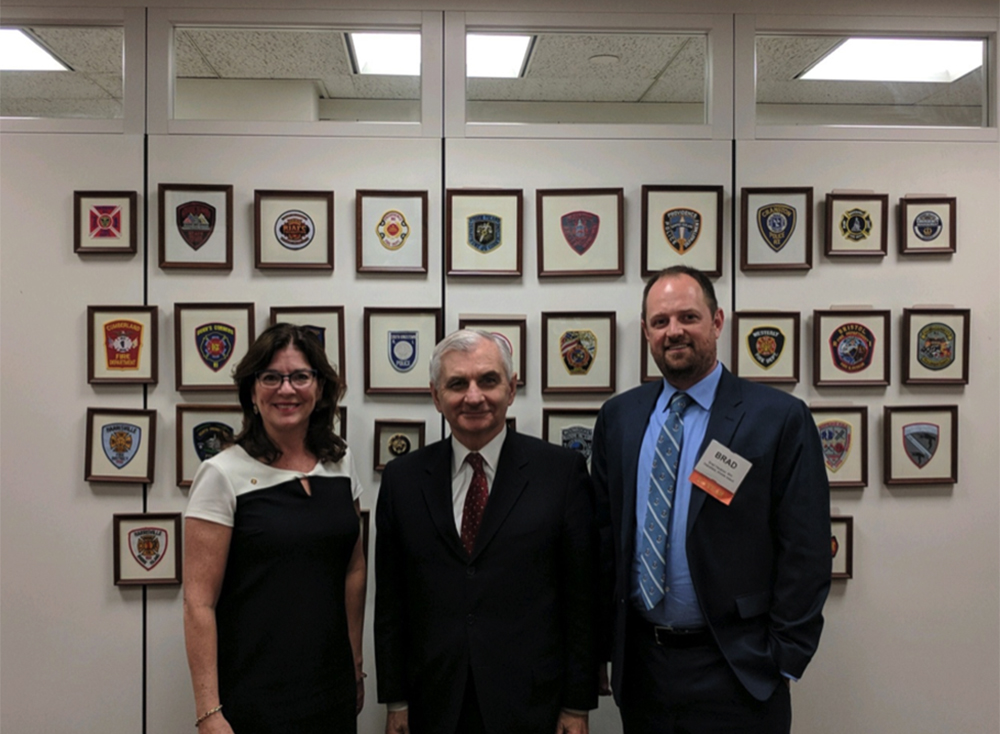
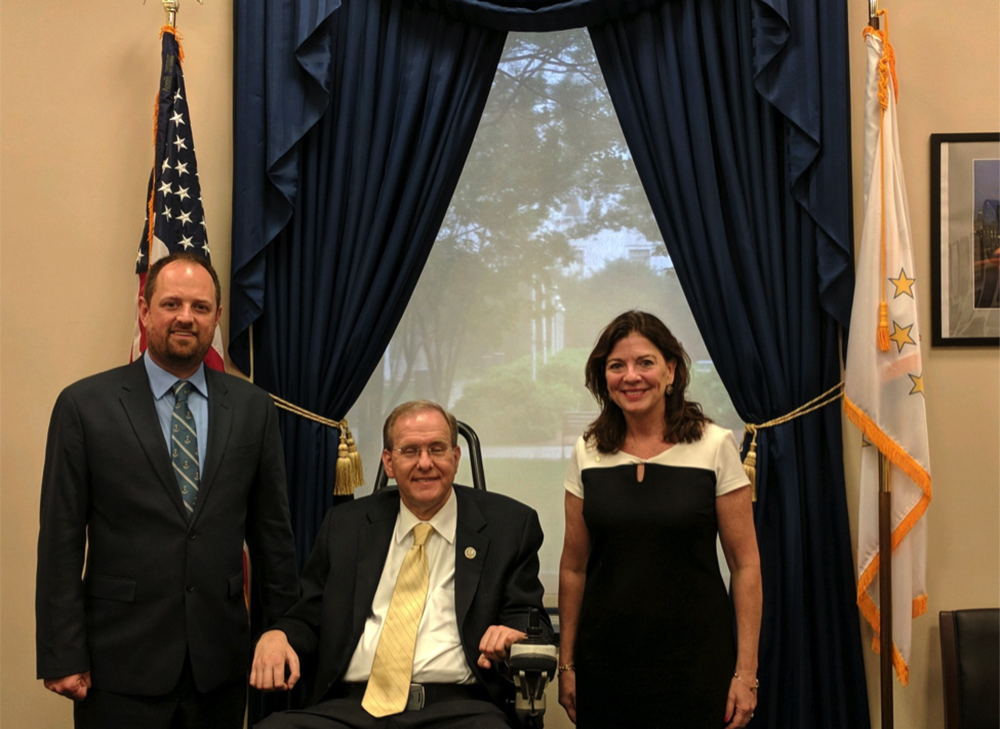
We were warmly received at meetings with the Rhode Island delegation, including Sen. Jack Reed, Sen. Sheldon Whitehouse, and Rep. James Langevin. Carlson represented Massachusetts members at meetings with staff in several congressional offices.
All in all, the Appraisal Institute’s executive committee and board of directors clearly stand to benefit from the fresh and creative ideas – as well as some constructive criticism – that was delivered during the conference. As the Institute reforms its governance structure, LDAC is likely to play an even more significant role in the future as a source of leadership and ideas to chapters, committees, and national leadership. Deb, Sue and I made the most of the opportunity to network with national leadership, as well as some of the best and the brightest individuals involved in the profession. These chapter attendees come back with a renewed focus on building and growing our chapter and furthering our common goals in the appraisal profession.
Brad Hevenor is the chair of the Rhode Island Branch Advisory Board of the Massachusetts and Rhode Island Chapter of the Appraisal Institute.

 (1).gif)