


 (1).gif)
News:
Finance
Posted: February 27, 2026
Eastern Bank provides $15.5 million loan for Causeway development
Brockton, MA Eastern Bank has completed $15.5 million in construction financing to Causeway Development for the conversion of a historic mill building at 142 Main St. in downtown. The project will provide 30 mixed-income housing units – 10 market-rate, 15 affordable (up to 60% of the Area Median Income (AMI), and five Massachusetts Rental Voucher Program (MRVP) units (up to 30% AMI) – as well as three ground-level commercial spaces, including a community-oriented coffee shop.
Causeway Development is a Massachusetts-based real estate advisor, investor and development company specializing in creating housing and community spaces where public purpose and private investment meet. The 142 Main St. redevelopment reflects Causeway’s commitment to restoring underutilized properties into lasting homes and vibrant neighborhood anchors.
“Eastern Bank understands our vision for community-oriented development, and has been a trusted partner across several affordable and mixed-income projects,” said Dave Traggorth, principal of Causeway Development. “We’re proud to work together again on the revitalization of this historic downtown Brockton property, which will bring new housing, new energy and a renewed sense of place to Main Street.”
“This redevelopment blends Low-Income Housing and Historic Tax Credits to make preservation and affordability work hand in hand,” said Dan Hubbard, principal of Causeway Development. “Eastern Bank’s Community Development Lending team understands the intricacies of these layered financings and brings a collaborative, solutions-oriented approach that helps turn complex projects like this into reality.”
“We’re proud to support Causeway Development’s project at 142 Main Street in Brockton, which will bring affordable housing and additional economic opportunity to downtown Brockton,” said Pam Feingold, senior vice president and group director of community development lending of Eastern Bank.
Eastern provides a range of community development financing offerings to fund the development of affordable housing and support the credit needs of non-profits. Community development lending solutions include construction and real estate financing, working capital lines of credit, multi-layered leverage loans for both New Market and Low-Income Housing Tax Credit projects, tax-exempt bond financing, and highly sophisticated treasury services and deposit products.
The Community Development Lending team advising Causeway Development includes: Executive Vice President, Chief Commercial Banking Officer Greg Buscone; Senior Vice President, Group Director of Community Development Lending Pam Feingold; and Vice President, Commercial Relationship Manager Aaron Gladden.
Tags:
Finance
Massachusetts
MORE FROM Finance
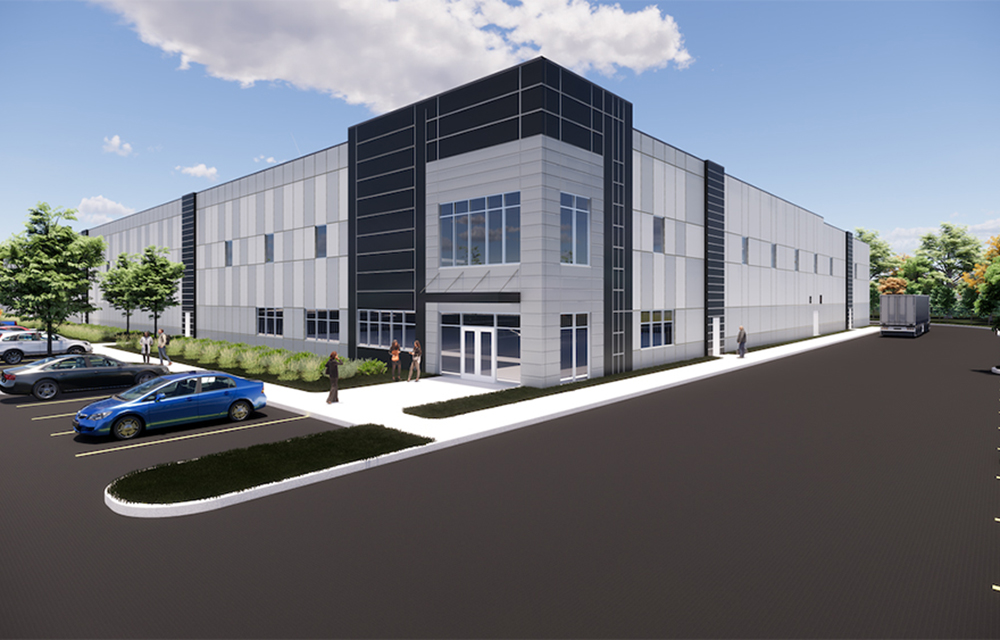
Berkeley Garbe secures $35.4 million debt financing with MetLife Investment Management
Billerica, MA Berkeley Garbe has secured a $35.4 million financing package for 161 Concord Rd., a new advanced manufacturing and innovation hub that is 30% complete following the start of construction in June. The project is on track to be completed in April 2027.


 (1).gif)



.png)
Columns and Thought Leadership

The focus on price per s/f compared to the comparable sales used in the appraisal report - by Dennis Chanski
Over the past several weeks, I have completed appraisal assignments for private clients. Interestingly, after submitting these appraisals, I received several phone calls – not to question the value, content, or any incorrect information, but rather to discuss the price per s/f compared to the comparable sales used in the report.

Reverse exchanges and the challenges of a competitive real estate market - by Michele Fitzpatrick
Our current, highly competitive real estate market poses specific challenges for investors who are considering taking advantage of a tax-deferred 1031 exchange. In this market, investors will have no problem selling their current property if priced properly, but they may find it difficult to find a suitable replacement property

Massachusetts real estate transfers over $1 million face new tax rules as of November 1st - by Daniel Meyer
Attention to owners of real estate in the Commonwealth (and the title companies and other professionals who advise them), the Massachusetts Department of Revenue (the “DOR”) recently adopted a new “millionaire’s tax” via 830 CMR 62B.2.4

Are appraisers on the same page as the assessor? - by Richard Seman
The purpose of this article is to address problematic or confusing issues which may help assessors and appraisers to better understand how to value real estate for tax assessment purposes.
