
East Providence sees success through adaptive reuse - by Roberto DaSilva
Over the past few years, the city has seen many successful examples of redevelopment and reuse of existing buildings. Also known as adaptive reuse, this type of investment is often beneficial, particularly in the city’s traditional “Main Street” areas. These key commercial corridors are valued by the community, and their redevelopment can help activate the local economy. Reuse of existing structures also has the benefit of being more environmentally friendly than new construction, with less land used and fewer resources and materials consumed during construction. Reinvestment in these areas also makes use of the city’s existing infrastructure and provides jobs, goods and services in neighborhoods where most residents live.
One major example of adaptive reuse is the Rumford Center development by Peregrine Holdings LLC and Kirkbrae Development Corp. The project redeveloped the former Rumford Chemical Works complex. The company produced Rumford Baking Powder and was once one of the largest chemical manufacturers in the U.S.
The development consists of 89 dwelling units, as well as office and retail space, and is now a key part of the city’s Rumford neighborhood. On a smaller scale, several other properties have recently been redeveloped across East Providence, benefiting local businesses. A vacant hardware store on Waterman Ave. has been transformed into one of the region’s most exciting live music venues. A former manufacturing building was redeveloped into the city’s first microbrewery. A vacant and dilapidated assisted living facility is currently being redeveloped as part of the 144-unit Center City Apartments development, benefiting low- to moderate-income residents. Adaptive reuse has also helped breathe new life into the Riverside Square area with the addition of several new businesses.
Private investment in many of these sites has been supported by the city’s mixed-use overlay zoning districts, which better enable redevelopment along main streets. These districts simplify the permitting process, allow for a mix of uses and offer flexible standards more suitable for redevelopment and infill projects. The city’s Storefront Improvement Program has also benefited many of these properties, supporting beautification efforts along key commercial corridors. The state’s new adaptive reuse law further opens the door for redevelopment of existing buildings that include residential units. A vacant nursing home in the city is currently being converted into residential units under this law. The city has also invested in its own property by using Community Development Block Grant funds to renovate the historic Sweetland House into the new East Bay Health Clinic, serving public school students and staff.
While East Providence is proud of the progress that has been made, the city looks forward to further investment in underutilized properties. These investments will benefit not only individual sites, but also surrounding neighborhoods and the community as a whole.
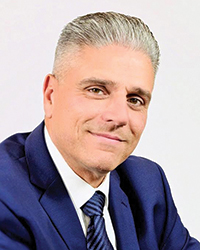
Roberto DaSilva is the mayor of the city of East Providence, R.I.