
Breathing easier: Elevating indoor air quality and performance in New England commercial spaces - by David Capra

Across the New England commercial real estate landscape, from urban life sciences hubs in Greater Boston to academic research facilities throughout the region, the metrics defining high-performing buildings are shifting. Tenants, developers, and facility owners are placing a renewed focus on an invisible yet vital asset: indoor air quality (IAQ).
Modern commercial construction demands a complete approach to building health. As energy efficiency standards tighten and expectations for occupant wellness rise, the integration of advanced interior systems plays a fundamental role in controlling contaminants, managing thermal comfort, and optimizing building performance from the inside out.
The Regional Challenge: Balancing Density and Efficiency
New England's distinct architectural heritage presents unique engineering hurdles. Whether retrofitting historic brick-and-beam spaces or delivering precision-controlled environments for cutting-edge biotech and semiconductor campuses, the built environment must reconcile aging infrastructure with modern mechanical requirements.
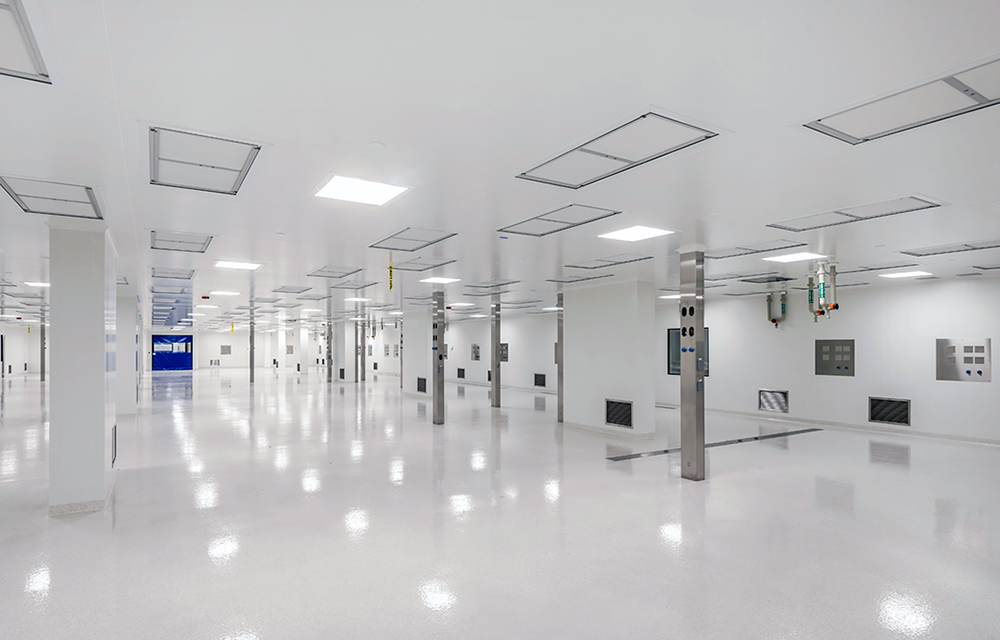
In sectors like life sciences and advanced manufacturing, maintaining precise particulate control is mission-critical. Cleanrooms, specialized containment areas, and high-performance commercial offices require seamless coordination among trades to prevent air leakage and ensure filtration systems perform to peak specifications. When architectural finishes, wall assemblies, and mechanical installation work in collaboration, the building envelope functions as a unified defense mechanism for indoor health.
Integrated Execution for Superior Results
Achieving optimal air quality and long-term durability requires eliminating the silos that traditionally separate trade scopes. When interior systems, including acoustical ceilings, specialized wallcoverings, and thermal or acoustical insulation, are managed through an integrated delivery model, project teams can drastically reduce hand-off gaps, schedule delays, and installation vulnerabilities.
Single-source specialty contracting allows project managers to oversee critical quality-control checkpoints from initial layout through final commissioning. By coordinating every layer of the interior build-out, contractors ensure that vapor barriers remain uncompromised, insulation is installed without thermal bridging, and ceiling and wall assemblies support proper air-handling dynamics.
Looking Ahead
As New England continues to lead in innovation-driven sectors, the bar for indoor environmental quality will only rise. Property owners who prioritize integrated, high-performance interior construction are protecting their asset value while delivering healthier, more productive spaces for the region's workforce.
Building better environments starts with looking closely at the details behind the walls and above the ceilings, ensuring that the air we breathe supports the future of New England real estate.
David Capra is chief estimator of the New England branch for Performance Contracting, Inc. (PCI), Holliston, MA.