
Acella Construction Corp. completes Samia Dining Hall renovation at Suffolk University
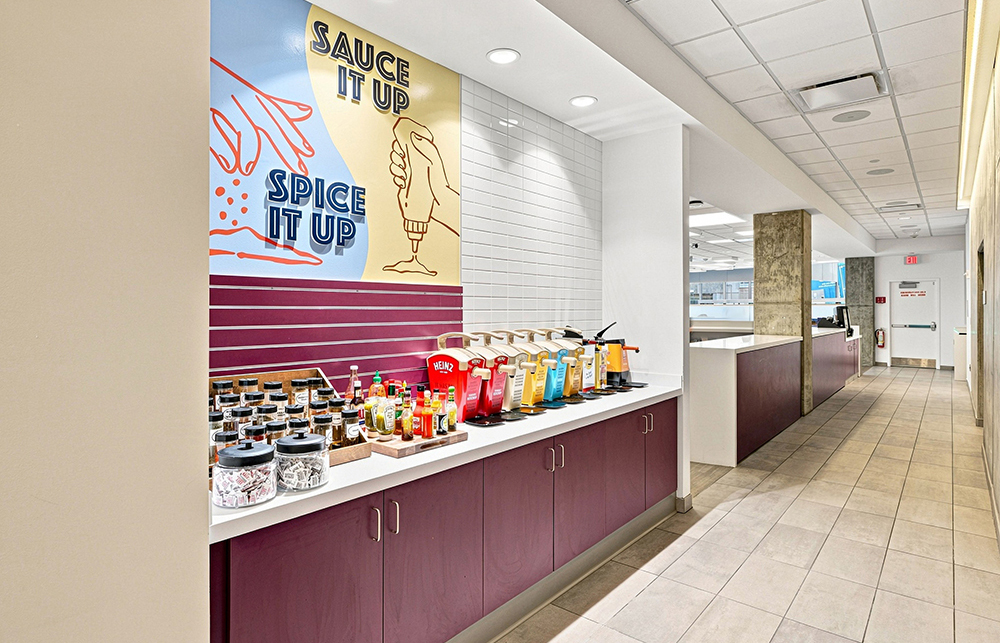
Boston, MA Acella Construction Corp. has completed renovations to Suffolk University’s Samia Dining Hall at the Leonard J. Samia Academic Center, upgrading dining and food-service areas to support the university’s campus dining experience.
Located at 20 Somerset St. in downtown, the project included improvements to the dish room and surrounding dining facilities. Working with Suffolk University, the Aramark team, and Beacon Architectural Associates, Acella delivered interior renovations and building-system upgrades that addressed both the public-facing dining environment and the infrastructure supporting daily food-service operations.
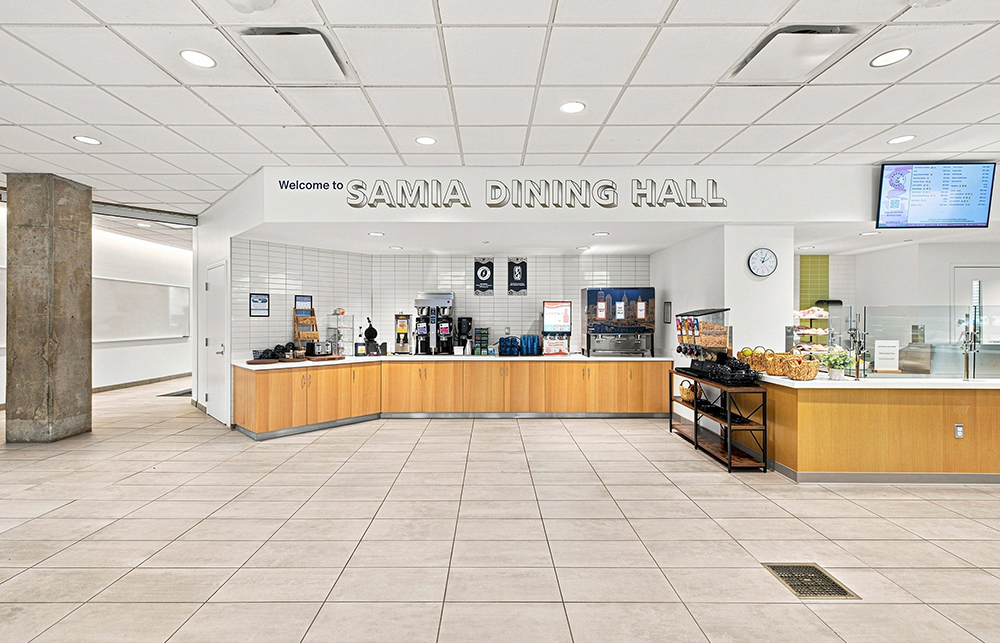
The construction scope included selective demolition, dust management, and temporary protection, followed by new gypsum wall systems, acoustical ceilings, doors and hardware, finish carpentry, millwork, and painting. Epoxy flooring and tile provided durable finishes suited to the demands of a commercial food-service setting, including the dishwashing and dish-return areas.
Mechanical, electrical, plumbing, and fire protection work formed a significant part of the renovation. Improvements included ductwork and controls, plumbing infrastructure, lighting, electrical connections, and modifications to fire alarm and sprinkler systems. The work required coordination with existing building systems and the infrastructure serving food-service equipment.
The project also involved coordination of existing audiovisual components within the dining space, including displays, speakers, and projection equipment. Integrating this work with changes to walls, ceilings, and millwork helped address the dining hall’s use as a shared campus space.
The completed renovation supports the university’s dining program by bringing together updated interior finishes, improved service infrastructure, and a more functional back-of-house environment. The project reflects the importance of coordinating the spaces students use each day with the systems and work areas that support them.