



News:
Spotlight Content
Posted: May 22, 2026
Property Management & Operations Spotlight - GB Property Management Group

1. What do you see as the most important qualities or strategies that define successful property management in today’s market?
Three things define success right now. Responsiveness comes first. Boards and owners expect real-time information, not monthly summaries pushed out two weeks late. Financial discipline comes next. With insurance, labor, and capital costs all climbing, every line item matters and reserves need to be modeled honestly, not guessed at. Third, technology that serves the client, not just the manager. We run AppFolio across our portfolio so every owner sees every dollar, every work order, and every document in real time. Beyond that, regulatory fluency is non-negotiable in Massachusetts. Condo law, fair housing, lead paint, the new mandatory disclosure rules, all of it shifts constantly. The firms that win combine speed, accuracy, and bench depth without losing the personal relationship that boards actually pay for.
2. What trends or challenges are you currently seeing within your portfolio and market(s), and how is your firm adapting to meet them?
The biggest shift is regulatory. Fannie Mae’s new condo guidelines, issued in March, raise the reserve allocation from 10% to 15% of annual budgeted assessment income effective January 4, 2027, retire Limited Review, and require budgets to reflect the highest recommended reserve study figure. Associations that miss the target risk losing warrantable status, which depresses unit values across the building. We’re already rebuilding budgets and reserve studies with our boards now, not scrambling in 2027. Insurance is the second pressure point, with master policies running 20-30% higher and carriers non-renewing on loss history that used to be acceptable. The third advantage we lean on is legal. Our condo attorney is on speed dial, so when a question lands in a gray area, we get a clean answer fast and stay ahead of the game, representing the association rather than reacting to it.
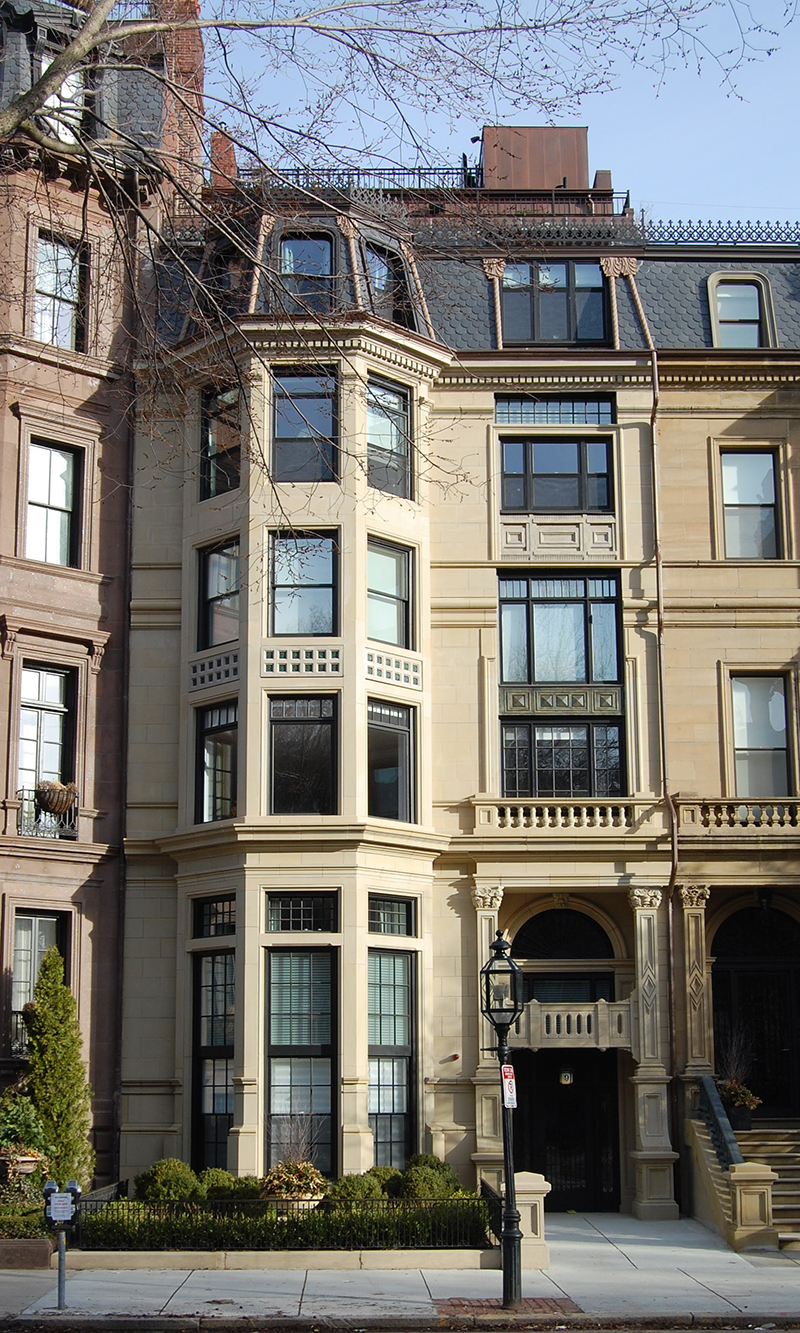
-Boston, MA
3. How does your firm add value to property owners and developers beyond day-to-day operations?
For developers, we can step in during the early stages of the warranty period and serve as the go-between with unit owners as construction wraps. That insulates the developer from day-to-day complaints, makes punch list resolution cleaner, and gets the association running on real systems from day one rather than scrambling at turnover. For established boards, we bring deep vendor relationships built across 2,800 units. We know which roofers, masons, engineers, and attorneys actually deliver, and we negotiate accordingly. We rebuild reserve studies with realistic figures and help trustees have hard conversations before they become emergencies. We also coordinate with SelectRE Boston as a preferred brokerage partner when owners need acquisition, valuation, or disposition work. The value we add is judgment, not just execution.
4. What sets your firm apart in terms of approach, service, or overall philosophy when managing commercial properties?
We approach properties the way owners think, not the way third-party managers think. Both principals have brokered, owned, and operated real estate, so when we are managing an asset, we are not waiting for direction on capital planning, vendor strategy, or tenant retention. We advise on it. That matters most for commercial and mixed-use, where a passive manager costs you money every month they wait. Our philosophy is simple. Own the relationship, own the asset performance, own the outcome. Boards and owners hire us because they want a partner who picks up the phone, knows the building, and has skin in the game on every recommendation. With approximately 2,800 units across roughly 100+ associations, we have the bench depth to execute and the discipline to do it consistently.
Square footage managed: 3,000,000+
Primary property types: Condominium associations, multifamily, mixed-use
State served: Massachusetts
Headquarters location: 2 Granite Ave., Suite 330, Milton, MA 02186
Website: www.gbpmboston.com
MORE FROM Spotlight Content

New England Real Estate Journal's 2026 Women in Commercial Real Estate Spotlight
NEREJ's Women in CRE Spotlight celebrates the women making an impact across commercial real estate and the companies that recognize, support and champion them.







 (1).gif)
Columns and Thought Leadership

As legacy names recalibrate, new entrants are moving in with fresh capital, new technologies, and business models tailored to today’s supply-chain needs - by Michael Harrington
Southern New Hampshire’s industrial market has always punched above its weight. For decades, the region has attracted a mix of advanced manufacturing, beverage and food producers, logistics operators, and specialty

How do we manage our businesses in a climate of uncertainty? - by David O'Sullivan
These are uncertain times for the home building industry. We have the threat of tariffs mixed with high interest rates and lenders nervous about the market. Every professional, whether builder, broker, or architect, asks themselves, how do we manage our business in today’s climate? We all strive not just to succeed, but

Limited supply fuels landlord‑friendly conditions in Rhode Island’s industrial market - by Julie Freshman and George Paskalis
As we enter the spring of 2026, the Rhode Island industrial real estate market stands on stable footing, following several years of resilience fueled by constrained supply, steady demand, and dynamic economic conditions.

Shallow-bay wins on 495/128: A renewal-driven market with a thin pipeline - by Nate Nickerson
The Boston industrial market entered mid-2025 in a bifurcated state. Large-block vacancy remains elevated, while shallow-bay along the 495/128 corridor continues to prove resilient. Fieldstone’s focus on this geography positions us squarely in the middle of a renewal-driven, supply-constrained
