



News:
Brokerage
Posted: October 26, 2026
Lessons from the Field: Relationships, risk and a $200,000 mistake - by Daniel Gardner
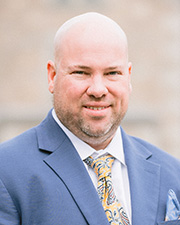
In this column, I want to discuss a basic principle of building relationships, then share a few lessons I’ve learned along the way. I call it Social Energy. The concept is simple: surround yourself with successful people, develop relationships, and participate in activities that put you in the same circles as the people you want to do business with.
I practice this regularly, both after work and on weekends. I play golf, tennis, and mountain bike. In the winter, I downhill ski with family and friends. Over the years, I’ve found that many commercial property owners enjoy these same activities. When you share common interests, relationships tend to develop naturally, and sometimes those relationships lead to business.
I’ve often told brokers that they need to figure out where building owners spend their time and try to participate in those activities. That might mean joining a golf club, playing in a tennis league, or becoming involved in a local organization. Of course, these things cost money.
My advice is to start small. Close a deal, take a portion of the commission, and invest it in a membership or activity that puts you around the right people. Build up six months of savings so you can ride the ups and downs of a commission-based business.
Which brings me to one of the most important lessons I’ve learned in brokerage.
Don’t spend the commission until the check clears and the money is in the bank. I learned this the hard way back in 2010. Yes, this was during the Great Recession, and yes, I realize how bad a decision this was.
I had a property under agreement with a buyer who signed a cash purchase and sale agreement with no contingencies. The commission was going to be approximately $200,000. In my mind, the deal was done.
There was just one problem.
I had never cross-checked the name on my listing agreement against the property’s legal ownership. This is simple, but I made a rookie mistake, just go to the registry of deeds and cross check the deed against the listing agreement, probably 5-10 minutes, tops.
As it turned out, the person who signed the listing agreement didn’t have the authority to sell the property. My listing agreement was effectively worthless, and the transaction fell apart.
That was an expensive lesson, and one I’ve never forgotten.
Always verify that the person signing your listing agreement has the legal authority to sell the property.
Now, back to that basically imaginary $200,000 commission. What did I do when the cash purchase and sale agreement was signed with zero contingencies? I did what anyone would do with a $200,000 commission they hadn’t earned yet. I bought a completely unnecessary car.
A 2010 Mitsubishi Evolution MR Touring, the same type of car featured in the Fast & Furious movies.
I still remember pulling into the driveway with it. My wife came outside literally yelling at me. This was quite a sight, considering she was also very pregnant with our twins at the time.
Naturally, I bought aftermarket rims for it, too.
Another great decision on my part.
Six months later, the Evo was gone. In its place was a Toyota Camry, two car seats, and enough Cheddar Bunnies to fill every pocket and crevice in the car. Crumbs everywhere.
Looking back, I can laugh about it now, but that experience taught me something about managing money in a commission-based business.
Today, when a commission comes in, I follow a simple order:
Cover debt. Take care of outstanding obligations.
Cover operating expenses. Make sure the business has the money it needs to operate.
Cover personal expenses. Take care of the household and family.
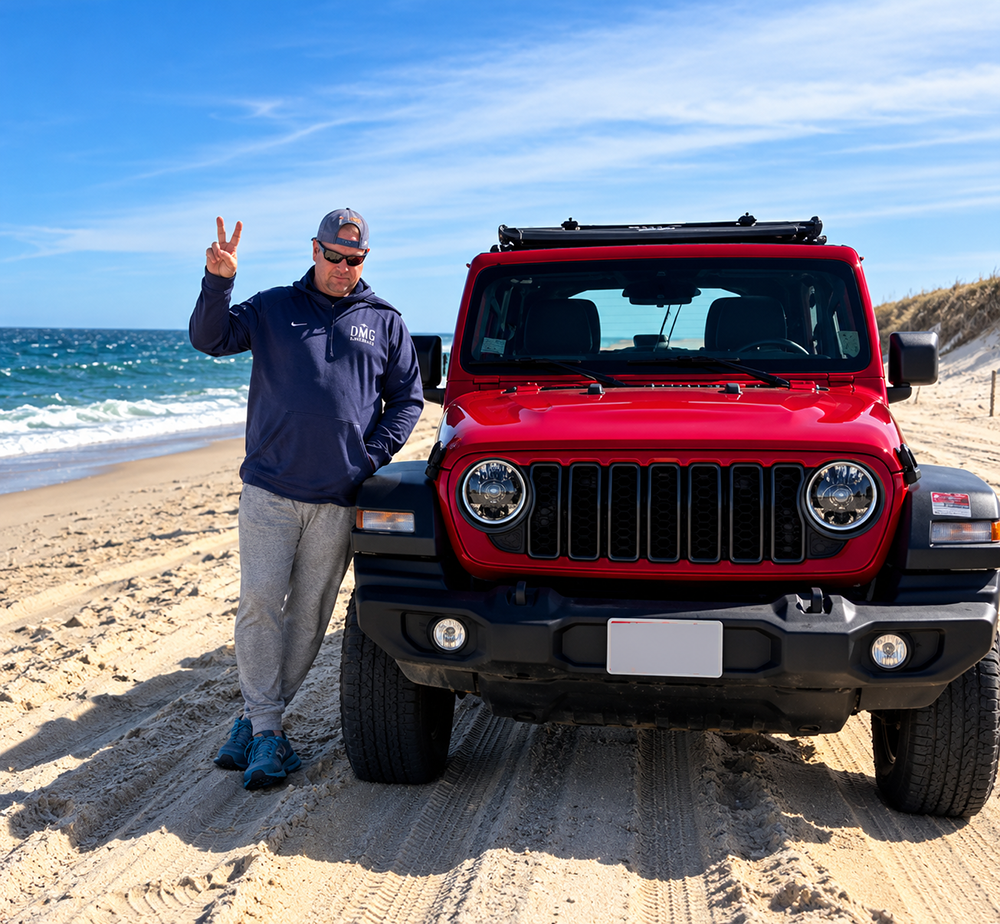
Enjoy 10%. Take a portion of what’s left and spend it on something discretionary. Go have fun, take a trip, join a club, or make some memories. Blow it on something unnecessary. The photo accompanying this column was taken on Nantucket. That’s what I spent some of my 10% on. Being responsible, finally.
Brokerage can be demanding, and I believe you should enjoy some of the money you work so hard to earn. Whether that’s golf, skiing, a weekend away, or something completely unnecessary, there’s nothing wrong with rewarding yourself.
Just make sure you’ve earned it first.
And when you do spend money on activities you enjoy, remember where this column started. Those experiences can introduce you to new people, strengthen existing relationships, and sometimes create opportunities you never expected.
That’s Social Energy.
Build the relationships, do the work, close the deals, and then enjoy the rewards.
Just don’t buy the Evo before the check clears.
Daniel Gardner is founder of DMG Brokerage, Norwood, Mass.
Tags:
Brokerage
MORE FROM Brokerage
Lessons from the Field: Relationships, risk and a $200,000 mistake - by Daniel Gardner
In this column, I want to discuss a basic principle of building relationships, then share a few lessons I’ve learned along the way. I call it Social Energy. The concept is simple: surround yourself with successful people, develop relationships, and participate in activities that put you in the same circles as the people you want to do business with.



Quick Hits
.png)
Columns and Thought Leadership

End of the year retail thoughts - by Carol Todreas
Now what? As the year comes to a close, the state of retail is always in the news. The answers vary greatly depending on who in the various related industries you ask, each offering a unique lens on the challenges and opportunities ahead.
The rise of AI in CRE - And what it means for every skilled profession - A broker & appraiser weighs in - by Bryan Plourde
This may seem self-serving, and I’ll be the first to admit it. But unlike some of the artificial intelligence tools now reshaping our industry, I am fully aware of my own bias. So, hear me out. The rise of AI in commercial real estate is not a distant threat or a speculative headline.
