


 (1).gif)
News:
Finance
Posted: July 12, 2024
Worth Avenue Capital, LLC funds a $4.5 million loan for development of a 320-unit apt. complex in Glastonbury, CT
Glastonbury, CT Worth Avenue Capital, LLC (WAC) closed a $4.5 million commercial loan for one of the premier real estate developers in Southern New England. The loan proceeds will be used by the sponsor to restructure existing debt and for working capital and development purposes on ten plus acres of land in town. The loan is secured by a first mortgage on the aforementioned property with an underlying LTV of approximately 60% based on a recently completed appraisal.
The sponsor is one of the largest owner, operator and developers of commercial real estate in Connecticut, Rhode Island and Western Massachusetts. They were able to obtain ownership of the property through the bankruptcy court after acquiring a non-performing loan that was secured by the property from a commercial bank two years ago. The borrower expects to obtain final permits from the Town of Glastonbury for the construction of a 320-unit apartment complex. In the near term, the borrower expects to be able to sell the property to another developer for a sales price in the low eight figures and has already identified several qualified potential buyers who have expressed interest in purchasing this prime real estate asset.
Besides being one of the premier real estate developers in Southern New England, the sponsor owns substantial real estate holdings in six other states through the Mid-Atlantic region and continues to grow their real estate portfolio through additional acquisitions on the Eastern Seaboard.
WAC is delighted to have initiated a new business relationship with this sponsor and is optimistic that the borrower will seek WAC’s bridge financing expertise going forward to foster an ongoing business relationship.
Tags:
Finance
MORE FROM Finance
Northwest Bank finances Luzern Associates’ $47.75m acquisition
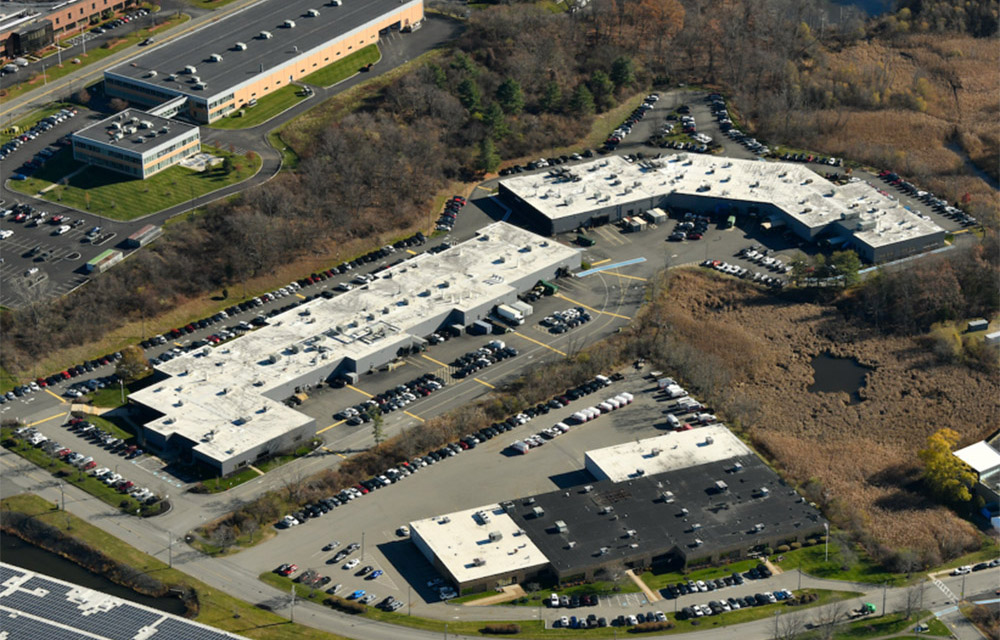
Danvers, MA Northwest Bank provided $34.5 million in financing to support Luzern Associates LLC’s $47.75 million acquisition of the Cherry Hill industrial portfolio, a three-building campus totaling 200,000 s/f.


 (1).gif)


Quick Hits
.png)
Columns and Thought Leadership

The focus on price per s/f compared to the comparable sales used in the appraisal report - by Dennis Chanski
Over the past several weeks, I have completed appraisal assignments for private clients. Interestingly, after submitting these appraisals, I received several phone calls – not to question the value, content, or any incorrect information, but rather to discuss the price per s/f compared to the comparable sales used in the report.

Massachusetts real estate transfers over $1 million face new tax rules as of November 1st - by Daniel Meyer
Attention to owners of real estate in the Commonwealth (and the title companies and other professionals who advise them), the Massachusetts Department of Revenue (the “DOR”) recently adopted a new “millionaire’s tax” via 830 CMR 62B.2.4

Are appraisers on the same page as the assessor? - by Richard Seman
The purpose of this article is to address problematic or confusing issues which may help assessors and appraisers to better understand how to value real estate for tax assessment purposes.

Reverse exchanges and the challenges of a competitive real estate market - by Michele Fitzpatrick
Our current, highly competitive real estate market poses specific challenges for investors who are considering taking advantage of a tax-deferred 1031 exchange. In this market, investors will have no problem selling their current property if priced properly, but they may find it difficult to find a suitable replacement property
