News:
Spotlight Content
Posted: June 30, 2023
Warwick, RI brings the convergence of air, rail, highway,
and maritime travel in one convenient, central location
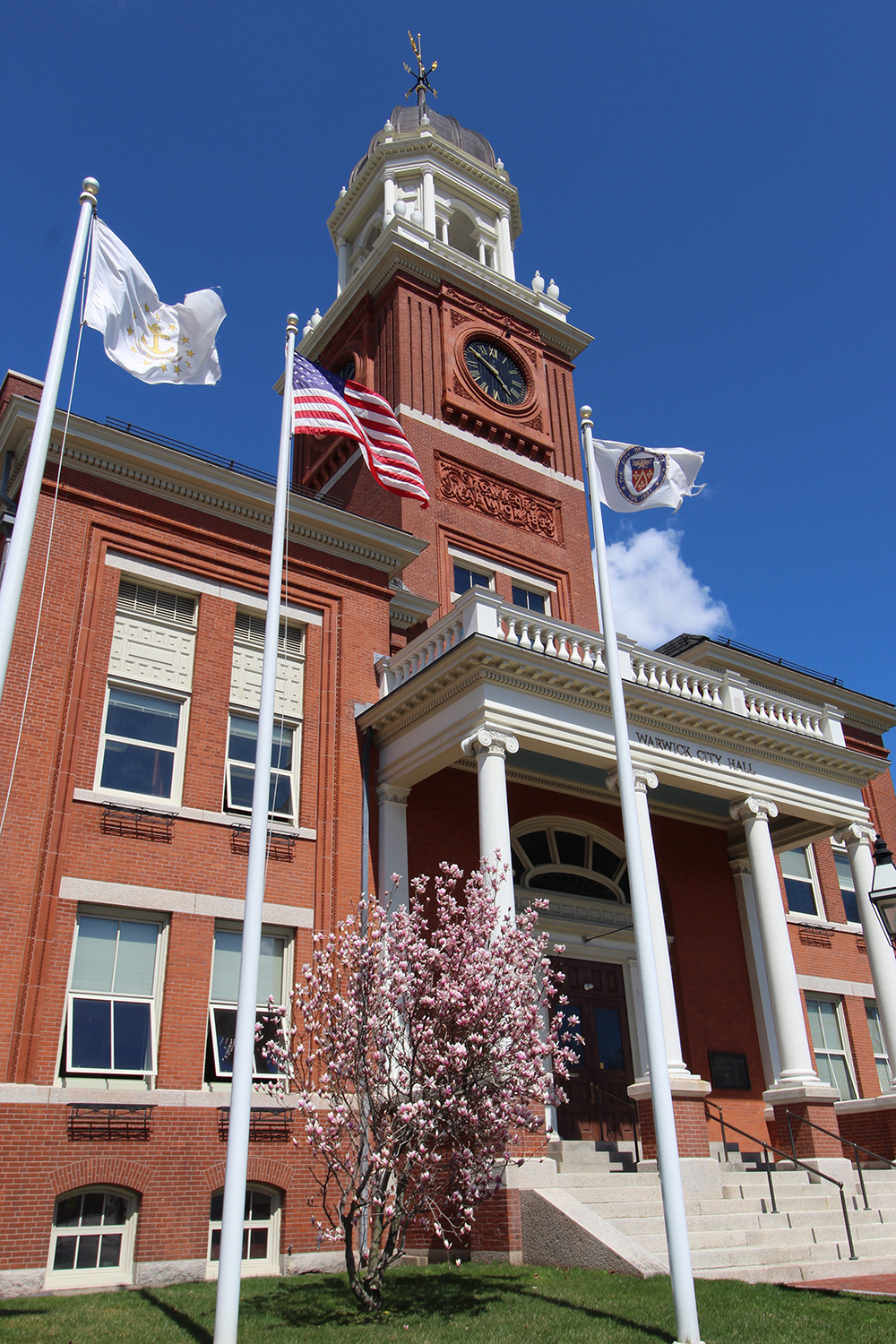 Located in the heart of southern New England, the city of Warwick, R.I. brings the convergence of air, rail, highway, and maritime travel in one convenient, central location. Home to Rhode Island T.F. Green International Airport and the InterLink intermodal rail station with MBTA commuter service, and with easy on-off access to I-95 and 295, Warwick also boasts more marinas than any other R.I. community.
Warwick, one of the state’s largest municipalities, offers the convenience of city living, but has the feel of a much smaller, close-knit community. Founded in 1642 by Samuel Gorton, Warwick is comprised of over 30 villages, each with their own unique place in our community’s storied history. Rhode Island has been known for centuries for its manufacturing industry, beginning with the establishment of the country’s first successful water-powered cotton mill. With readily available water power, Warwick soon became a major textile manufacturing center and was the birthplace of the internationally known “Fruit of the Loom” company.
Today, Warwick maintains a healthy mix of manufacturers, and, over time, our commercial base has also diversified tremendously. The city has become well-known for its myriad of retail options, especially along the busy Rte. 2 corridor, office uses, and a diverse and thriving small business community. The hospitality and tourism industry is also particularly strong. T.F. Green Airport is rebounding well from the effects of the COVID-19 pandemic, 16 – soon to be 17 – hotels offer an array of short- and longer-term lodging options sure to suit every taste and budget, and a host of restaurants offer a variety of world-class dining options. Earlier this year, Breeze Airways established T.F. Green as a base of operations and also began offering the airport’s first West Coast non-stop service, with twice-weekly flights to Los Angeles International Airport on Wednesdays and Saturdays. All told, among the nine airlines currently serving T.F. Green, there are more than 100 daily non-stop flights and hundreds of connecting flight options.

The innovative and award-winning City Centre Warwick concept is continuing to gain momentum, bringing revitalization and new development to more than 100 acres surrounding the airport and the InterLink. New single-family residences have been constructed, and there are a number of major development projects – including mixed residential/restaurant/retail uses – presently going through the approval process.
Additionally, the city enjoys good working partnerships with the Central Rhode Island Chamber of Commerce, the U.S. Small Business Administration, and the Rhode Island secretary of state’s office to help promote and support the many small businesses that call Warwick home, as well as those who are looking to capitalize on Warwick’s affordability and central location and move their companies here. Further, in Warwick, employers can also find a highly educated, skilled labor pool within a 50-mile radius to meet the needs of high-tech, biotech, defense and manufacturing industries in a tax-friendly environment.
Those who wish to live and work in Warwick will find exceptional municipal services, terrific recreational facilities, good schools, and a diverse, affordable housing mix that offers single-family homes, high-quality condominiums and apartments in safe neighborhoods. Add to that salt- and fresh-water ponds, beaches, miles of biking/walking trails, ice rinks, pools, as well as public golf courses, horseback riding, historical sites, 39 miles of coastline, an abundance of open space, and you’ll see why so many people and businesses are eager to make Warwick their home.
For more information, log on to: warwickri.gov and visitwarwickri.com, or call the Department of Economic Development at (401) 738-2014 or email econ.dir@warwickri.gov.
Tags:
Spotlight Content
MORE FROM Spotlight Content

A couple of things at the end of the summer - by William Pastuszek, Jr.
Generalizations about Real Estate Markets. Always dangerous. All real estate is local, except when it isn’t, right? Often, we get so mesmerized by the sheer volume of data out there that we forget the best data is right in front of us and that



.png)



Columns and Thought Leadership

How do we manage our businesses in a climate of uncertainty? - by David O'Sullivan
These are uncertain times for the home building industry. We have the threat of tariffs mixed with high interest rates and lenders nervous about the market. Every professional, whether builder, broker, or architect, asks themselves, how do we manage our business in today’s climate? We all strive not just to succeed, but

As legacy names recalibrate, new entrants are moving in with fresh capital, new technologies, and business models tailored to today’s supply-chain needs - by Michael Harrington
Southern New Hampshire’s industrial market has always punched above its weight. For decades, the region has attracted a mix of advanced manufacturing, beverage and food producers, logistics operators, and specialty

Shallow-bay wins on 495/128: A renewal-driven market with a thin pipeline - by Nate Nickerson
The Boston industrial market entered mid-2025 in a bifurcated state. Large-block vacancy remains elevated, while shallow-bay along the 495/128 corridor continues to prove resilient. Fieldstone’s focus on this geography positions us squarely in the middle of a renewal-driven, supply-constrained

Limited supply fuels landlord‑friendly conditions in Rhode Island’s industrial market - by Julie Freshman and George Paskalis
As we enter the spring of 2026, the Rhode Island industrial real estate market stands on stable footing, following several years of resilience fueled by constrained supply, steady demand, and dynamic economic conditions.

September Promotion