



News:
Owners Developers & Managers
Posted: July 6, 2018
Neama, Lynch and Herzer of SLAM pass the WELL accredited professional exam
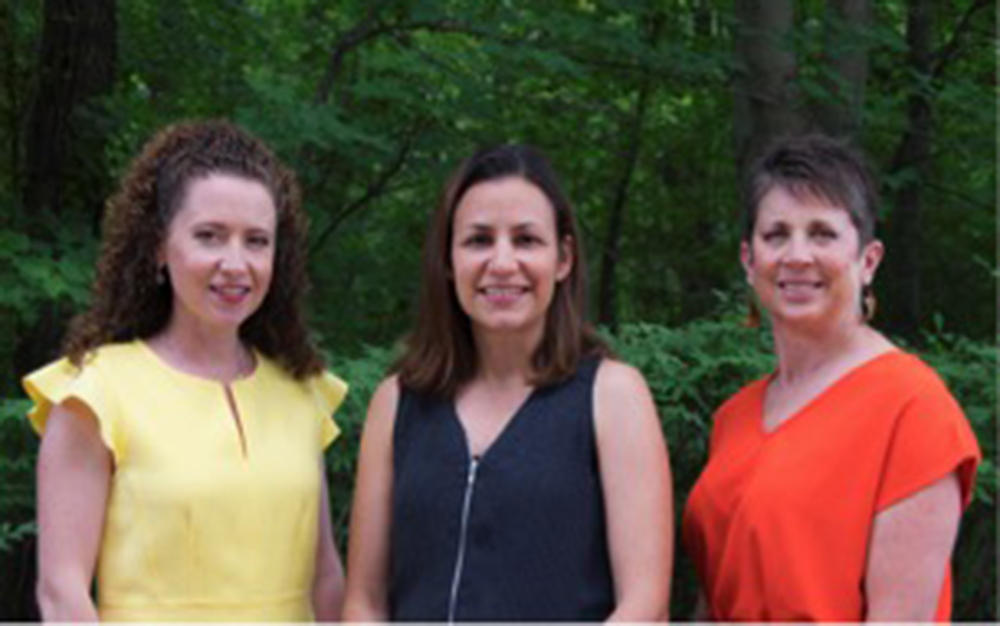
and Tracy Herzer, IIDA, NCIDQ, LEEP AP, WELL AP.
Glastonbury, CT According to The S/L/A/M Collaborative (SLAM), the firms interior designers and associates, Kathleen Neama, IIDA, NCIDQ, WELL AP, Eleana Lynch, IIDA, NCIDQ, LEED AP, WELL AP, and Tracy Herzer, IIDA, NCIDQ, LEEP AP, WELL AP, have passed the WELL accredited professional exam, which launched in 2015, designating them WELL certified professionals. This certification will enable them to implement WELL Building Standards, the first industry standard that is transforming the built environment into a vehicle that promotes human health, wellbeing and comfort for the people who live, work and learn in them.
“We are pleased to expand our teams’ knowledge and ability to provide existing and future clients with the most up-to-date opportunities to enhance the work environment and experience of professionals,” said Terri Frink, IIDA, principal and studio leader, interior architecture, SLAM. “WELL building standards is the next frontier in the physical environment that integrates scientific and medical research into the design and implementation of spaces and we are excited to add this to our portfolio of services.”
Neama, Lynch and Herzer have expertise in designing interior spaces for SLAM’s education, healthcare and corporate studios, industries where wellness standards to optimize the built environment can be applied.
WELL identifies 102 features (performance metrics), design strategies, and procedures that encourage healthier and more active lifestyles and reduces occupant exposure to harmful chemicals and pollutants. The WELL Building Standard is organized into seven categories of wellness called concepts: Air, water, nourishment, light, fitness, comfort and mind.
WELL Certified spaces and WELL Compliant core and shell developments of a built environment are designed to help improve the nutrition, fitness, mood, sleep patterns and performance of its occupants.
Projects qualify for WELL Silver, Gold or Platinum level if a sufficient number of Features are met.
WELL Building Standards are designed to work in unison with the LEED Green Building Rating System and other leading global green building standards. It can be applied to three types of projects for commercial and institutional buildings: new construction and major renovations; tenant improvements; and core and shell developments.
MORE FROM Owners Developers & Managers
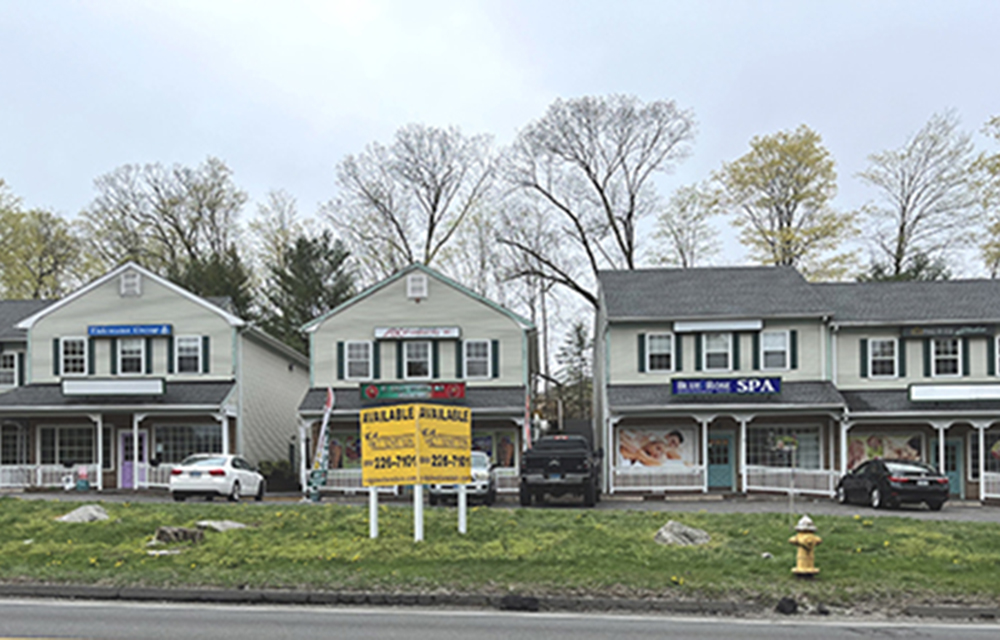
Crescent Village Shopping Center trades to new owner for $1.75 million
Monroe, CT Crescent Village Shopping Center located at 115 Main St. has been sold to new owners. The multi-building retail center sold for $1.75 million or just under $142.00 per ft. The three buildings total 12,340 s/f on 1.54 acres




Quick Hits
 (1).png)

Columns and Thought Leadership

Revitalized Town Centers: Retail??? - by Carol Todreas
It is now widely accepted that customers want to shop in person at physical stores. Brands know that they do better business in a physical store than just on line so they want to open stores. Demand for retail space by digital merchants, local entrepreneurs, and newly developed national chains

Florida ruling raises bar for condo terminations and buyouts - by Michael Karsch
On October 14, 2025, in a landmark decision with significant implications for the Florida real estate market, the Supreme Court of Florida formally denied Two Roads Development’s (TRD Biscayne LLC) petition for review in its long-running case against unit owners of Biscayne 21,

IREM president’s message: Our new reality - Staying ahead of supply chain delays - by Yoany Vargas
Supply chain delays are slowing construction, ratcheting up operating costs, and extending turnover timelines across Greater Boston, directly reducing revenue and increasing the workload for multifamily and

Retail infill strategy to activate Pawtucket’s Conant Thread District - by Gaetan Kashala
Until recently, the Conant Thread District consisted of approximately 150 acres of underutilized industrial land spanning Pawtucket and Central Falls. Today, the area is one of the most significant
 (1).png)