


 (1).png)
News:
Owners Developers & Managers
Posted: March 13, 2026
Retail infill strategy to activate Pawtucket’s Conant Thread District - by Gaetan Kashala

Until recently, the Conant Thread District consisted of approximately 150 acres of underutilized industrial land spanning Pawtucket and Central Falls. Today, the area is one of the most significant transit-oriented development districts in Rhode Island, anchored by the Pawtucket–Central Falls Transit Center and strategically positioned between Providence and Boston.
Pawtucket’s zoning code defines transit-oriented development (TOD) as a form of land use planning designed to concentrate residential and complementary commercial uses near high-capacity transit infrastructure. The Conant Thread TOD district was created to connect housing, commerce, and transportation while supporting adaptive reuse, high-quality infill development, and walkable urban design. The zoning framework also expanded access to streamlined permitting processes, reducing regulatory barriers and enabling coordinated redevelopment across municipal boundaries.
The transit center has already catalyzed transformative investment in the Conant Thread. More than 1,200 residential units have been completed or are currently in the development pipeline, supported by direct rail connectivity to Providence, Boston, New York, and beyond. A new $5 million passenger amenities building recently opened, further strengthening the station as a regional transportation hub.
To fully realize the Conant Thread’s economic potential, Pawtucket is pursuing a targeted retail infill strategy. Retail infill focuses on redeveloping or activating underutilized buildings and vacant spaces within an established urban environment. In the Conant Thread District, this approach can maximize existing infrastructure while activating high-demand pedestrian corridors near the transit station, stadium district, and emerging residential clusters. Neighborhood retail is particularly important in transit-oriented districts because it provides everyday goods and services within walking distance of residents. Cafés, health & personal care stores, specialty food shops, fitness studios, and small service businesses help create the daily street activity that supports vibrant urban neighborhoods.
As Pawtucket’s population continues to grow (+3% since the 2020 Census) and new housing units come online, capturing retail spending locally becomes increasingly important. Without a strategic approach, consumer dollars will continue to leak to surrounding communities. By identifying unmet retail demand across categories and recruiting businesses that serve both residents and visitors, Pawtucket can strengthen the Conant Thread’s local economy while attracting additional foot traffic.
Recent development activity illustrates how mixed-use projects will shape Conant Thread’s retail future. Peyser Real Estate Group’s Dexter St. Commons, a $55 million development at 71 Dexter St., will introduce approximately 150 apartments along with ground-floor commercial space designed for restaurants, neighborhood retail, and service-oriented businesses. Located within walking distance of the commuter rail station, the project is expected to stimulate additional investment along the Dexter St. corridor.
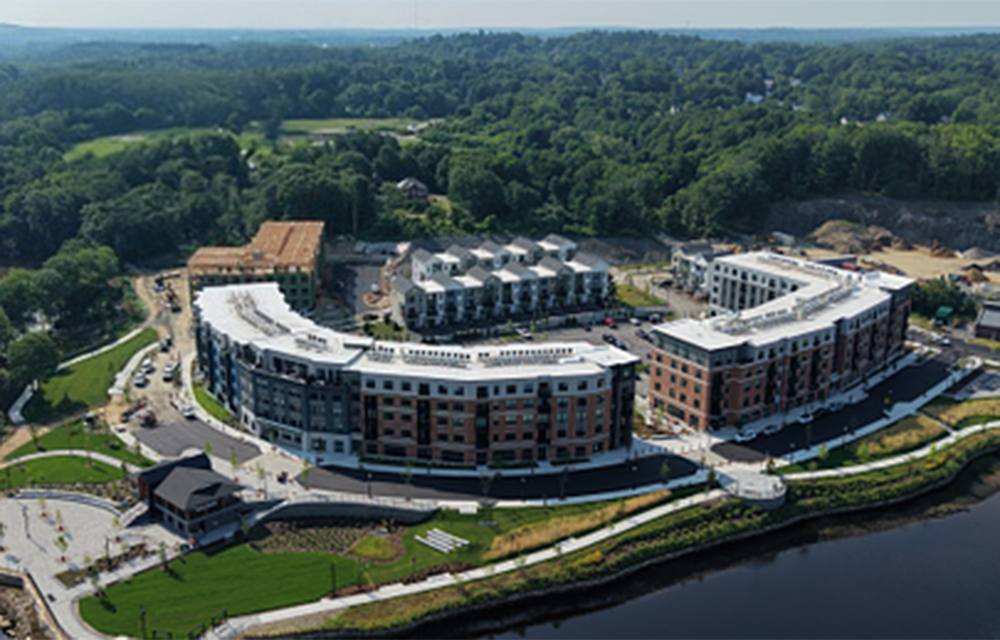
Another major catalyst is the Centreville Bank Stadium and Tidewater Landing redevelopment along the Seekonk River. The stadium, home to Rhode Island FC, anchors a broader mixed-use district inclusive of residential buildings, commercial space, restaurants, and public riverfront amenities. Planned housing in the Tidewater Landing district will introduce hundreds of additional residents within walking distance of Conant Thread, expanding the customer base for neighborhood-serving retail.
Conant Thread also offers structural advantages for retailers and investors. Existing infrastructure (e.g. roads, utilities, and transit) reduces development costs. Historic mill buildings provide large, flexible spaces suitable for creative economy uses such as maker spaces, studios, and design firms that generate daytime activity supporting nearby retail. In addition, redevelopment incentives such as historic tax credits and Opportunity Zone investment can improve the financial feasibility of adaptive reuse projects.
Together, these factors reinforce the narrative of Conant Thread district as a compelling urban redevelopment opportunity. While the district’s zoning framework and coordinated planning structure provide the foundation for investment, thoughtful retail activation will ensure that the train station does not become a conduit for residents to spend their retail dollars elsewhere. With strategic planning and targeted retail recruitment, the Conant Thread can become a model for how post-industrial districts across New England evolve into vibrant mixed-use communities.Bottom of Form.
Gaetan Kashala is the executive director of the Pawtucket Foundation, Pawtucket, R.I.
MORE FROM Owners Developers & Managers
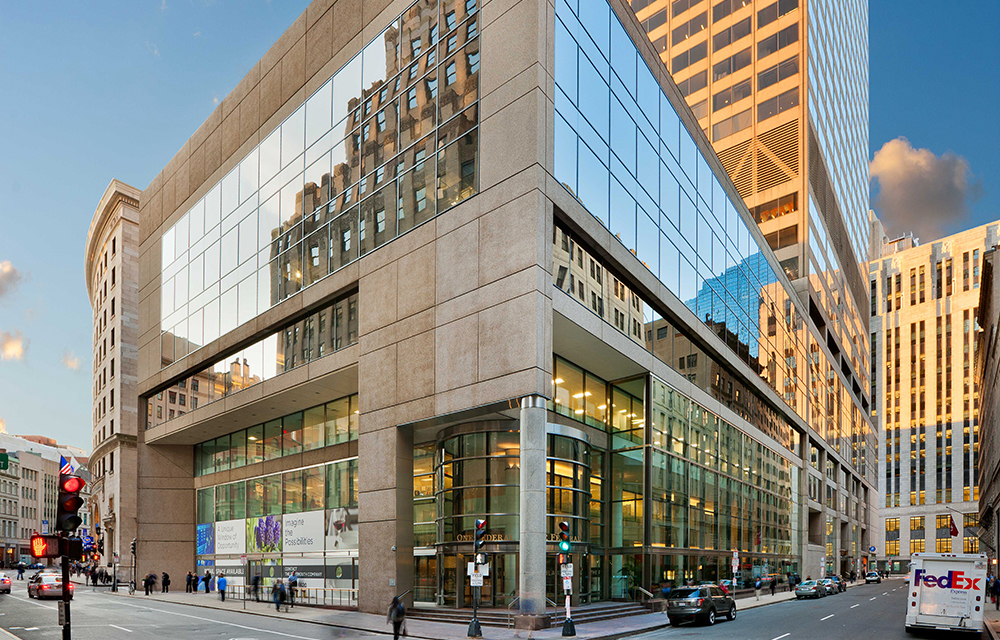
Rubin Rudman to establish headquarters at Tishman Speyer’s One Federal St.
Boston, MA Tishman Speyer has secured a new headquarters lease with Rubin Rudman at One Federal St., its 38-story, 1.1 million s/f tower in the Financial District. Under a 15-year lease, Rubin Rudman’s new headquarters will span 57,844 s/f across One Federal’s entire 23rd and 24th floors and a portion of the 25th floor.




Quick Hits
 (1).png)

Columns and Thought Leadership

IREM president’s message: Our new reality - Staying ahead of supply chain delays - by Yoany Vargas
Supply chain delays are slowing construction, ratcheting up operating costs, and extending turnover timelines across Greater Boston, directly reducing revenue and increasing the workload for multifamily and

The legislature has spoken: New Hampshire doubles down on housing in commercial zones - by John Sokul
Last year, the New Hampshire Legislature enacted HB 631, a landmark housing measure requiring municipalities to permit multifamily housing in commercially zoned districts. The law generated

Revitalized Town Centers: Retail??? - by Carol Todreas
It is now widely accepted that customers want to shop in person at physical stores. Brands know that they do better business in a physical store than just on line so they want to open stores. Demand for retail space by digital merchants, local entrepreneurs, and newly developed national chains
Retail infill strategy to activate Pawtucket’s Conant Thread District - by Gaetan Kashala
Until recently, the Conant Thread District consisted of approximately 150 acres of underutilized industrial land spanning Pawtucket and Central Falls. Today, the area is one of the most significant