


 (1).png)
News:
Owners Developers & Managers
Posted: November 6, 2015
AIA approves Stoneyard’s new natural thin stone veneer course for continuing education credit
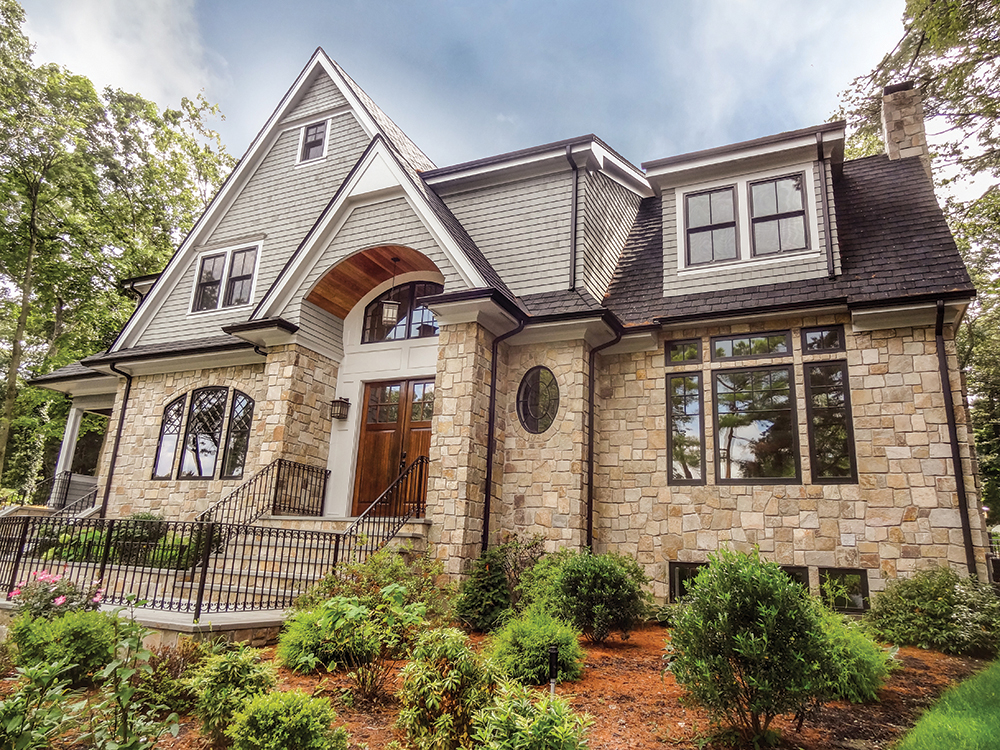 Littleton, MA Stoneyard, a natural stone products manufacturer, has released a new course approved by the American Institute of Architects (MA) Continuing Education System (CES), for continuing education credit. The course titled “Stone Veneer Applications & Installation Methods for a Natural, Thin, and Sustainable Building Material,” is a comprehensive guide to natural thin stone veneer. This is the first of several courses Stoneyard is offering as an MA CES approved provider. The course will be presented by David Croteau, co-founder of Stoneyard, who is an approved MA provider. With over 25 years of experience in the masonry industry, he is excited about passing on some of the knowledge he has picked up over the years. After attending, course participants will have a greater understanding of natural thin stone veneer including how it is made, common and unique applications, installation techniques, and common questions that arise during the consideration process.
“With over 25 years of experience in the masonry industry, I am passionate about stone and masonry. Thin Veneer has become the new normal and these courses are a great way to learn more about all aspects of this sustainable building material,” said Croteau.“Stoneyard’s MA CES courses are targeted to architects, but can also be beneficial to other professionals in the masonry and design fields such as contractors and interior designers.”
Each session is one hour in length and is worth 1 LU credit to MA members. Sessions are available to architects in all 6 New England states.
Attendees can learn more about the courses offered and request a session at http://stoneyard.com/ces.
Located in Littleton, Mass., Stoneyard specializes in all-natural New England thin stone veneer, which can be LEED certified. Stoneyard products are made from both quarried and weathered real stones that feature earth tones from such New England states as Connecticut, Massachusetts and New Hampshire.
Stoneyard is a third-generation company delivering the traditional building stone of New England to a nationwide clientele through the company’s network of building and masonry supply yards. Project owners, architects, designers and masons are invited to evaluate these building materials through photos and videos found at www.Stoneyard.com. Free samples are also available.
MORE FROM Owners Developers & Managers

The Lodge at Spruce Peak recognized with Condé Nast Traveler’s 2026 Readers’ Choice Award - #3 in New England
Stowe, VT Condé Nast Traveler revealed the results of its annual Readers’ Choice Awards, with The Lodge at Spruce Peak recognized as the #3 U.S. Resort in New England.






Quick Hits
 (1).png)

Columns and Thought Leadership

The legislature has spoken: New Hampshire doubles down on housing in commercial zones - by John Sokul
Last year, the New Hampshire Legislature enacted HB 631, a landmark housing measure requiring municipalities to permit multifamily housing in commercially zoned districts. The law generated

Retail infill strategy to activate Pawtucket’s Conant Thread District - by Gaetan Kashala
Until recently, the Conant Thread District consisted of approximately 150 acres of underutilized industrial land spanning Pawtucket and Central Falls. Today, the area is one of the most significant

IREM president’s message: Our new reality - Staying ahead of supply chain delays - by Yoany Vargas
Supply chain delays are slowing construction, ratcheting up operating costs, and extending turnover timelines across Greater Boston, directly reducing revenue and increasing the workload for multifamily and

Revitalized Town Centers: Retail??? - by Carol Todreas
It is now widely accepted that customers want to shop in person at physical stores. Brands know that they do better business in a physical store than just on line so they want to open stores. Demand for retail space by digital merchants, local entrepreneurs, and newly developed national chains