


 (1).png)
News:
Owners Developers & Managers
Posted: September 1, 2017
Cawley of United Multi Family brokers 14 building portfolio sale for $30.54 million

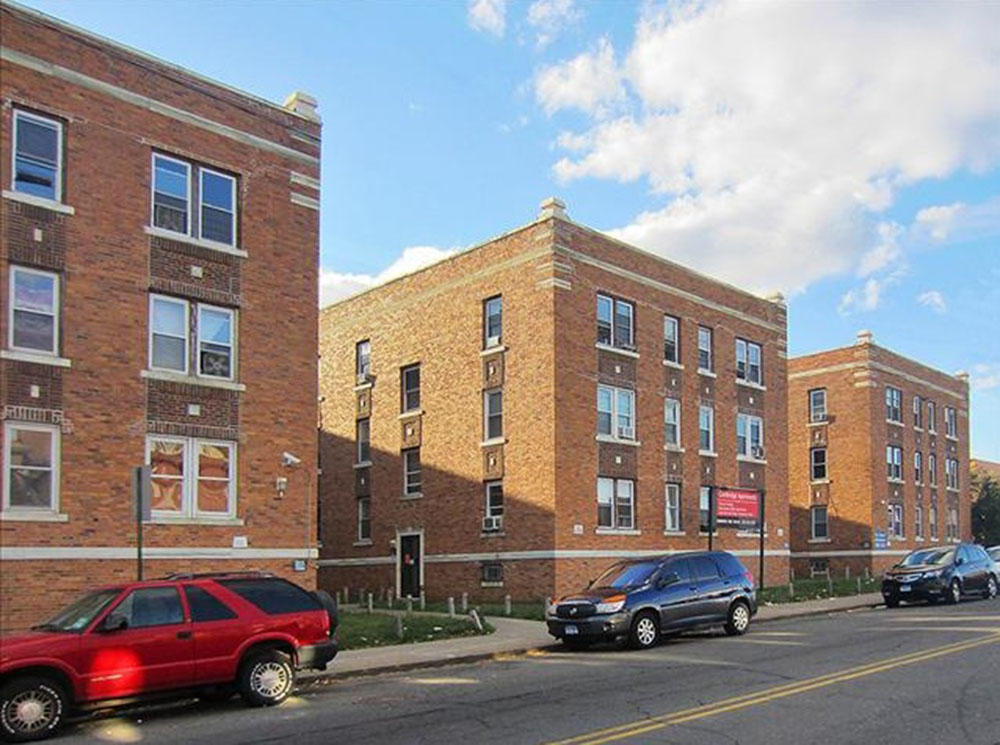
Bridgeport, CT United Multi Family (UMF) brokered a portfolio sale of 14 apartment buildings totaling 462 units for $30.54 million ($66,104 per unit). Matt Cawley of the New York City office of UMF handled the sale in an “off-market” transaction.
The residences were sold by Empire Residential to Rhodium Capital Advisors in partnership with Firm Capital Organization.
Financing was arranged by Jeffrey Seidenfeld, managing director of Eastern Union Funding and equity by Mark Belsky, principal of Eastern Union Equity. The CAP rate at the time of sale was 7.16% with the properties having a gross annual income of $4.36 million. Included in the sale are the apartments located at:
• 2209-2225 Main St. (179 units);
• 1465 East Main St. (46 units);
• 340 Putnam St. (18 units);
• 299 Berkshire Ave. (24 units);
• 644-654 Park St. (18 units);
• 30 Granfield Ave. (15 units);
• 80 Granfield Ave. (17 units);
• 85 Price St. (17 units);
• 1575 Iranistan Ave. (28 units);
• 898-930 Norman St. (28 units);
• 1421 Fairfield Ave. (25 units);
• 850 Hancock Ave. (15 units);
• 1054 Hancock Ave. (15 units); and
• 1590 Barnum Ave. (17 units).
The buildings were primarily located in four clusters around the city that centered around the 179-unit Cambridge apartments.
Cawley, the real estate broker on the transaction for UMF, said, “The deal was conducted entirely off-market for our clients, Empire Residential. We were able to negotiate and finalize a purchase price within hours of Rhodium Capital Advisors receiving our marketing package.”
UMF specializes in the sale of multi-family properties throughout the Northeast. This is the second time within the last 12 months that UMF was able to sell the 179-unit Cambridge Apartments. Over the last two years in town alone, UMF has brokered the sales of 21 apartment buildings consisting of over 800 units.
MORE FROM Owners Developers & Managers
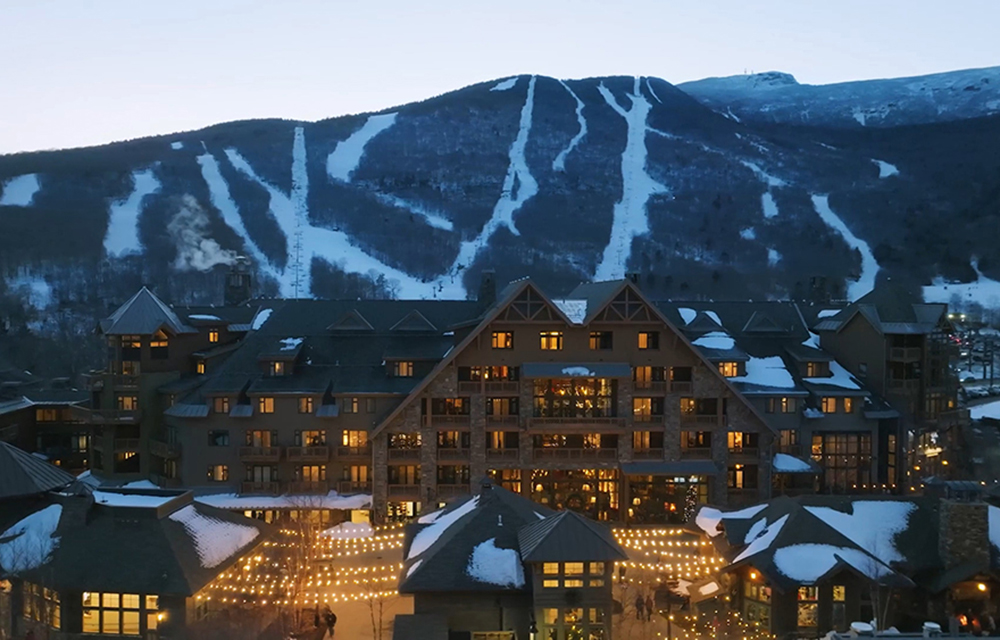
The Lodge at Spruce Peak recognized with Condé Nast Traveler’s 2026 Readers’ Choice Award - #3 in New England
Stowe, VT Condé Nast Traveler revealed the results of its annual Readers’ Choice Awards, with The Lodge at Spruce Peak recognized as the #3 U.S. Resort in New England.




Quick Hits


Columns and Thought Leadership

IREM president’s message: Our new reality - Staying ahead of supply chain delays - by Yoany Vargas
Supply chain delays are slowing construction, ratcheting up operating costs, and extending turnover timelines across Greater Boston, directly reducing revenue and increasing the workload for multifamily and

The legislature has spoken: New Hampshire doubles down on housing in commercial zones - by John Sokul
Last year, the New Hampshire Legislature enacted HB 631, a landmark housing measure requiring municipalities to permit multifamily housing in commercially zoned districts. The law generated

Revitalized Town Centers: Retail??? - by Carol Todreas
It is now widely accepted that customers want to shop in person at physical stores. Brands know that they do better business in a physical store than just on line so they want to open stores. Demand for retail space by digital merchants, local entrepreneurs, and newly developed national chains

Retail infill strategy to activate Pawtucket’s Conant Thread District - by Gaetan Kashala
Until recently, the Conant Thread District consisted of approximately 150 acres of underutilized industrial land spanning Pawtucket and Central Falls. Today, the area is one of the most significant