


 (1).gif)
News:
Finance
Posted: April 12, 2019
Doyle of Larew Doyle & Associates arranges $26 million financing
Charlestown, MA Alan Doyle, principal of Larew Doyle & Associates arranged $26 million in leasehold construction/mini-perm financing for the redevelopment of the Ropewalk and Tar House Buildings, located in the Charlestown Navy Yard, to be converted to a 97-unit residential property with a 20% affordability component. 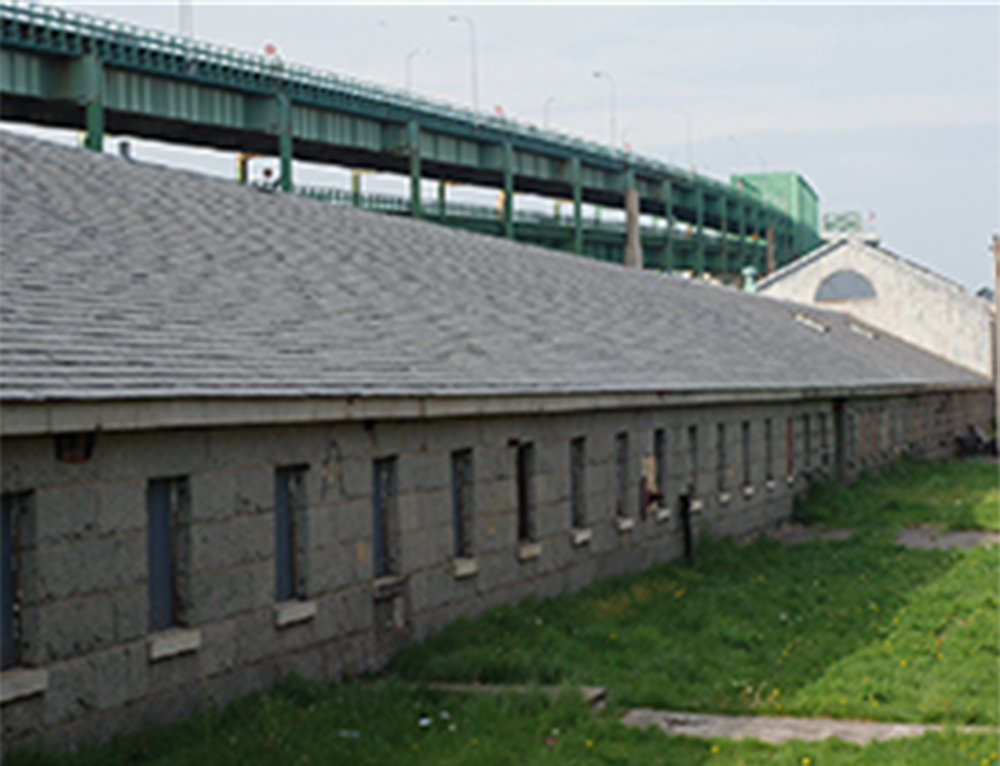
The Ropewalk and Tar House Buildings were the principal structures in the Charlestown Navy Yard’s rope manufacturing complex. From 1838 to 1970 most of the cordage for the United States Navy’s ships was produced in these buildings. The granite-faced buildings were designed by Alexander Parris, a leading architect of that era and best known for his design of the Quincy Marketplace.
Once completed this redevelopment will become an attractive addition to the Boston waterfront and will feature studio to three bedroom units. The building features kitchens with granite counters and stainless steel appliances, energy efficient HVAC system with geothermal components, natural light and exposed brick and beams. Several of the two “plus” bedroom units feature lofts and the Tar House features oversized units with unique layouts.
Competitively priced financing was provided by a Mass.-based regional lender who provided an attractively structured and priced 24-month construction loan coupled with a 5-year mini-perm. The financing is subject to an underlying long-term ground lease from the Boston Planning and Development Authority.
The property benefits from access to downtown and its local waterfront community which offers harbor views, green space, restaurants and cafes, as well as sports and leisure. Within walking distance of the property are local amenities such as the Harbor Walk and several parks as well as major employers, which include Spaulding Rehabilitation and Mass. General Hospital. Boston’s CBD is easily accessible via the MBTA ferry, Bluebikes, the MGH shuttle, or a short ride or walk across the North Washington Bridge.
Tags:
Finance
MORE FROM Finance
Northwest Bank finances Luzern Associates’ $47.75m acquisition
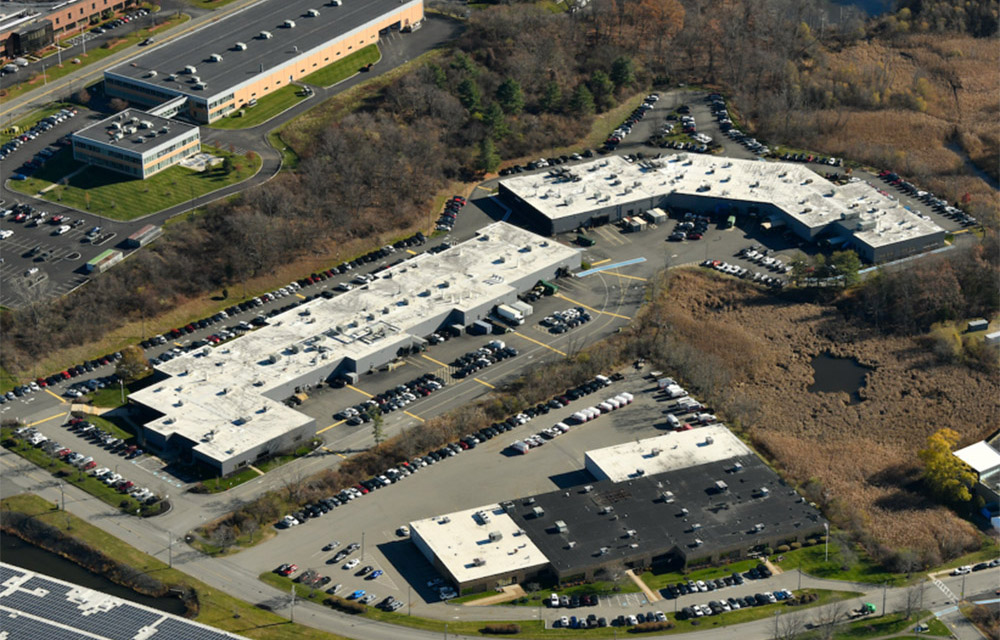
Danvers, MA Northwest Bank provided $34.5 million in financing to support Luzern Associates LLC’s $47.75 million acquisition of the Cherry Hill industrial portfolio, a three-building campus totaling 200,000 s/f.

 (1).gif)


Quick Hits

Columns and Thought Leadership

Massachusetts real estate transfers over $1 million face new tax rules as of November 1st - by Daniel Meyer
Attention to owners of real estate in the Commonwealth (and the title companies and other professionals who advise them), the Massachusetts Department of Revenue (the “DOR”) recently adopted a new “millionaire’s tax” via 830 CMR 62B.2.4

Reverse exchanges and the challenges of a competitive real estate market - by Michele Fitzpatrick
Our current, highly competitive real estate market poses specific challenges for investors who are considering taking advantage of a tax-deferred 1031 exchange. In this market, investors will have no problem selling their current property if priced properly, but they may find it difficult to find a suitable replacement property

The focus on price per s/f compared to the comparable sales used in the appraisal report - by Dennis Chanski
Over the past several weeks, I have completed appraisal assignments for private clients. Interestingly, after submitting these appraisals, I received several phone calls – not to question the value, content, or any incorrect information, but rather to discuss the price per s/f compared to the comparable sales used in the report.

Are appraisers on the same page as the assessor? - by Richard Seman
The purpose of this article is to address problematic or confusing issues which may help assessors and appraisers to better understand how to value real estate for tax assessment purposes.
