


 (1).png)
News:
Owners Developers & Managers
Posted: December 5, 2025
IREM President’s Message: Boston’s zoning reforms usher in a new era for real estate development and management

Following its official approval in August by the Boston Zoning Commission, Boston is currently undergoing major zoning reforms – marking the most substantial changes to the city’s developmental review process in nearly 30 years.
The reforms are reshaping how property managers, asset managers, developers, and other real estate professionals plan, operate, and reposition properties by streamlining approvals, encouraging adaptive use, and emphasizing sustainability.
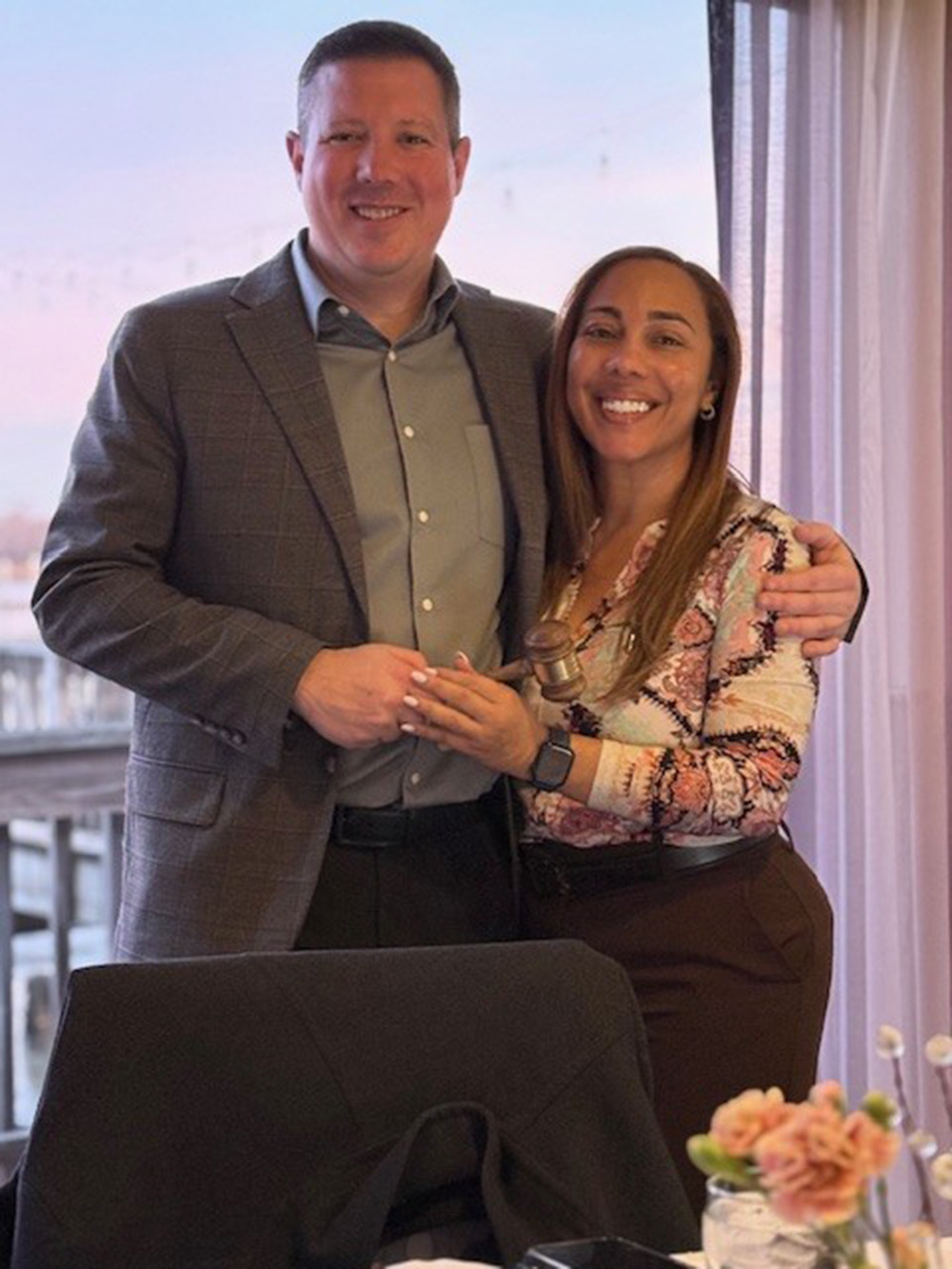
incoming 2026 Chapter President Yoany Vargas during the recent
Board of Directors and transition meeting held
at Venezia Restaurant in Boston.
For property managers, clearer zoning rules will reduce the uncertainty when repositioning or upgrading assets; as such, managers can review timelines with more accuracy, allowing for expedited renovations and improvements. Adaptive use is now encouraged, translating into an increased number of opportunities to convert existing buildings into housing or mixed-use spaces. In addition, updated zoning supports sustainability upgrades, dovetailing with the increasing number of property managers pursuing energy-efficient retrofits and other green initiatives.
While these reforms don’t automatically rezone commercial or industrial areas to residential, they create pathways for developers to propose residential conversions more easily. With their emphasis on flexibility and modernization, the “new and improved” zoning laws go a long way toward aligning zoning with Boston’s housing needs.
As we near the close of 2025, I’d like to take a moment to reflect on the resilience, collaboration, and innovation that define our real estate community in the greater Boston area. The holiday season offers us a chance to reflect and celebrate the progress we have made together.
On a personal level, it has been my honor and privilege to serve as president of the Boston Metropolitan Chapter No. 4 this year and while I will no longer claim that title, I will enthusiastically remain a member of the board of directors in both the capacity as immediate past president and vice president of Region 1.
On behalf of IREM Boston Chapter, I wish all a wonderful holiday season and a prosperous 2026.
Anthony Susi is the 2025 IREM Boston Chapter president and is the director of property management at The Simon Companies, Braintree, Mass.
MORE FROM Owners Developers & Managers
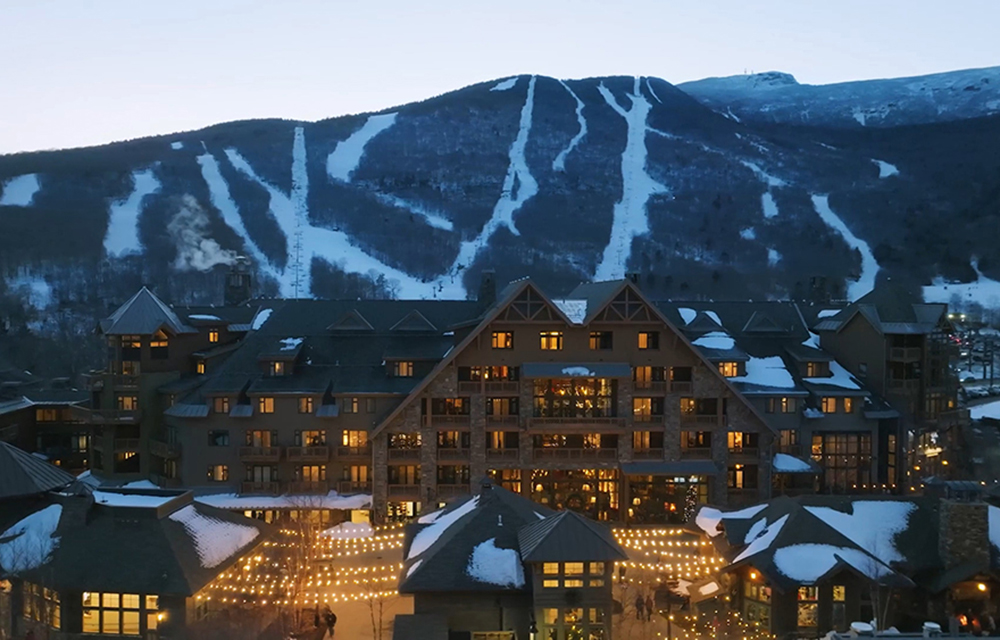
The Lodge at Spruce Peak recognized with Condé Nast Traveler’s 2026 Readers’ Choice Award - #3 in New England
Stowe, VT Condé Nast Traveler revealed the results of its annual Readers’ Choice Awards, with The Lodge at Spruce Peak recognized as the #3 U.S. Resort in New England.




Quick Hits


Columns and Thought Leadership

Revitalized Town Centers: Retail??? - by Carol Todreas
It is now widely accepted that customers want to shop in person at physical stores. Brands know that they do better business in a physical store than just on line so they want to open stores. Demand for retail space by digital merchants, local entrepreneurs, and newly developed national chains

IREM president’s message: Our new reality - Staying ahead of supply chain delays - by Yoany Vargas
Supply chain delays are slowing construction, ratcheting up operating costs, and extending turnover timelines across Greater Boston, directly reducing revenue and increasing the workload for multifamily and

The legislature has spoken: New Hampshire doubles down on housing in commercial zones - by John Sokul
Last year, the New Hampshire Legislature enacted HB 631, a landmark housing measure requiring municipalities to permit multifamily housing in commercially zoned districts. The law generated

Retail infill strategy to activate Pawtucket’s Conant Thread District - by Gaetan Kashala
Until recently, the Conant Thread District consisted of approximately 150 acres of underutilized industrial land spanning Pawtucket and Central Falls. Today, the area is one of the most significant