


 (1).png)
News:
Owners Developers & Managers
Posted: July 23, 2015
Let's hear it for the retail
Let's hear it for the retail. Since the mid-80's Kendall Sq. in Cambridge has been undergoing change from the old industrial backyard to well performing real estate. Bordered by MIT, the Charles River and two T stops from downtown, it has always been a geographic gateway into Cambridge; however, despite several new developments of labs, office buildings, institutes, and hotels, Kendall Sq. conjured up a boring image. Lacking lustre, it was just a place for techies and geeks.
Move a decade or so to the present and it is now a hallowed Innovation District, bustling, to some degree, with students, visitors, innovators, renters, diners, and shoppers .
What has transformed this district has been the mixed live, work, play @ Kendall Sq. development, particularly its well conceived ground floor retail one block north of the historic Kendall Sq. and the T station.
@ Kendall Sq. the ground floors of buildings house attractive storefronts with cafes, restaurants, health and fitness clubs, and a few quasi-retail, but market driven uses such as co-working and meeting places, a child care center and even a few experimental start-ups and labs.
Businesses are local, small scaled and pedestrian-friendly serving the technology, innovation, and tourist markets. What adds greatly to the sense of place is the collection of recreational and family activity centers: The Farmers Market, food trucks, ice skating rink and unique small boat rentals. These are woven into the fabric of landscaped walkways, softening the environment and making it a truly inviting place.
The new retail space is perfect for retailers and shoppers with large glass storefonts, close to the sidewalk entrances, and small scaled for local stores and eateries with ample space for outside dining and drinking.
The retail @Kendall Sq. has changed the perception of the Square. Now the whole area is "cool." No wonder so many areas want to become an Innovation District like Kendall Sq. But is that objective feasible?
Can an Innovation District arise without an adjacent academic institution? What role does public transportation play? Can scattered 19th century mills be transformed into an active and intimate start -up environment? How many can one region support?
So far the jury is out, but one thing is clear. Developing the right retail at the right scale for the right market can turn an office, lab and institutional neighborhood into a 24 hour hot spot.
Carol Todreas is a principal at Todreas Hanley Associates, Cambridge, Mass.
MORE FROM Owners Developers & Managers
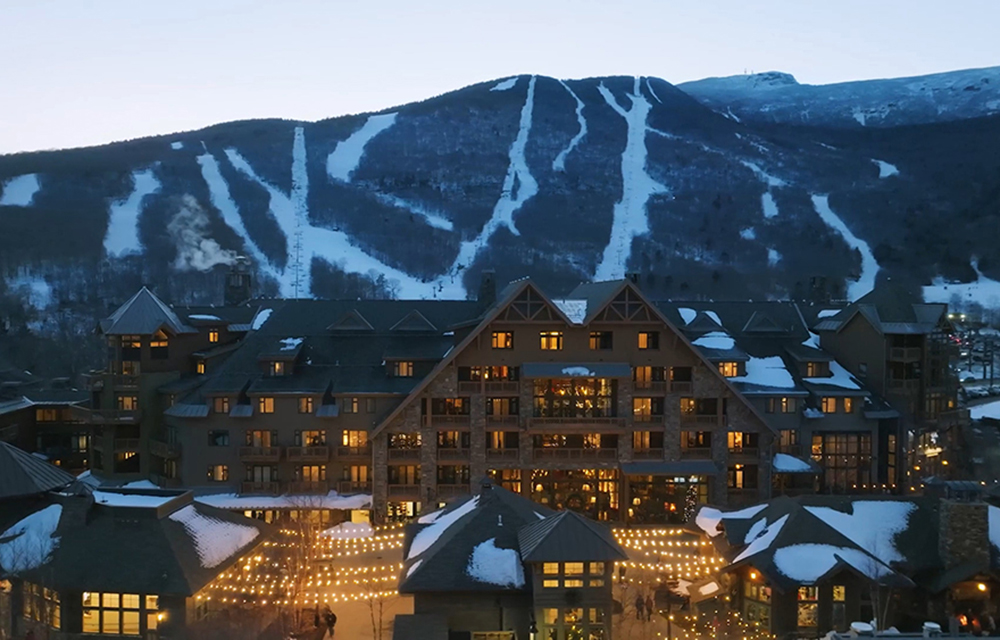
The Lodge at Spruce Peak recognized with Condé Nast Traveler’s 2026 Readers’ Choice Award - #3 in New England
Stowe, VT Condé Nast Traveler revealed the results of its annual Readers’ Choice Awards, with The Lodge at Spruce Peak recognized as the #3 U.S. Resort in New England.



Quick Hits


Columns and Thought Leadership
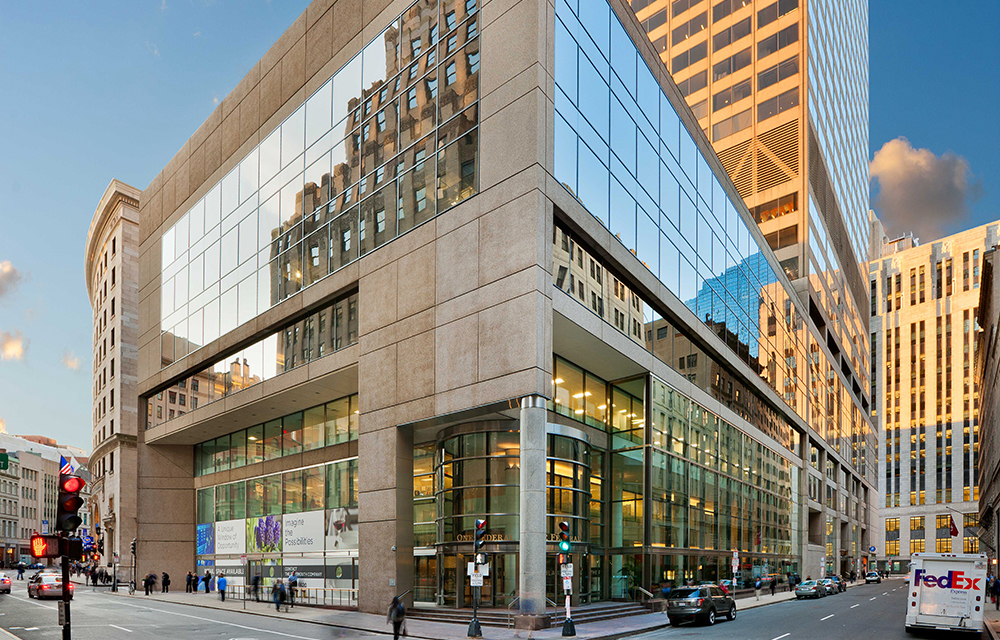
Revitalized Town Centers: Retail??? - by Carol Todreas
It is now widely accepted that customers want to shop in person at physical stores. Brands know that they do better business in a physical store than just on line so they want to open stores. Demand for retail space by digital merchants, local entrepreneurs, and newly developed national chains

IREM president’s message: Our new reality - Staying ahead of supply chain delays - by Yoany Vargas
Supply chain delays are slowing construction, ratcheting up operating costs, and extending turnover timelines across Greater Boston, directly reducing revenue and increasing the workload for multifamily and

The legislature has spoken: New Hampshire doubles down on housing in commercial zones - by John Sokul
Last year, the New Hampshire Legislature enacted HB 631, a landmark housing measure requiring municipalities to permit multifamily housing in commercially zoned districts. The law generated

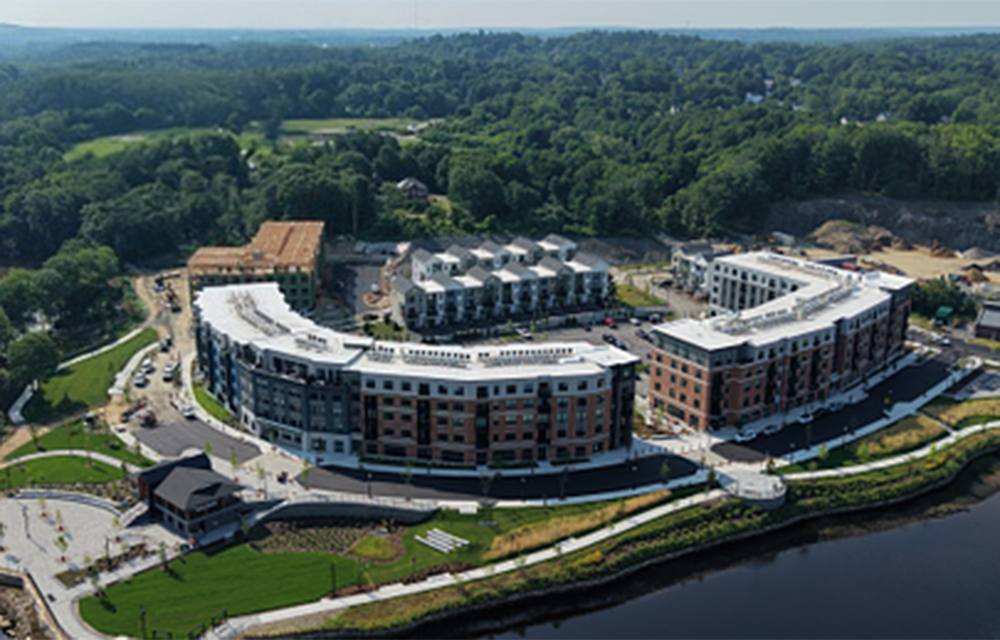
Retail infill strategy to activate Pawtucket’s Conant Thread District - by Gaetan Kashala
Until recently, the Conant Thread District consisted of approximately 150 acres of underutilized industrial land spanning Pawtucket and Central Falls. Today, the area is one of the most significant