


 (1).png)
News:
Owners Developers & Managers
Posted: October 23, 2014
Streets and Squares are "COOL" (and in danger of becoming boring again)
It is old news that Target and Walmart have started to test 20,000 s/f stores to fit into urban commercial neighborhoods. This is now a trend among the big box retailers. They are now competing for space with such tenants as small grocers, dollar , drug and sundries stores.
While this idea of smaller stores to get bigger sales is valid, it poses questions about the effect this downsizing will have on neighborhood commercial centers. It might be their presence will threaten independent local retailers, or they could serve as anchors and help to stabilize the emerging retail streets and squares where they locate.
What is also old, but good, news is that neighborhood squares and commercial streets are experiencing a comeback with limited presence of national chains. Reasons range from affordable rents to the entrepreneurship of immigrants whose urban heritage inspires creating a family business on a street or in a square and to the urban focus of Millennials or Gen "Y"ers, the demographic cohort born between the 1980s and 2000. These Boomer offspring do not want the lifestyle of their parents. They value urban living, public transportation, access to a variety of jobs, and a sense of community.
They patronize small eateries, art galleries, boutiques, personal services, fitness clubs , and ethnic grocery stores. They walk to businesses and streets come alive.
Property owners, developers, economic development planners are delighted. But success can generate retail homogenization and gentrification. Towns increase taxes, landlords demand higher rents, banks want bankable leases from Target or Walmart. The little guy with the unique business is out. The streets and squares can lose their appeal just like the malls. However, it's a new era. Shoppers want local stores and well-known retail brands. Town leaders are the key. With innovative zoning and other measures, they can save the day.
Carol Todreas is a principal at Todreas Hanley Associates, Cambridge, Mass.
MORE FROM Owners Developers & Managers
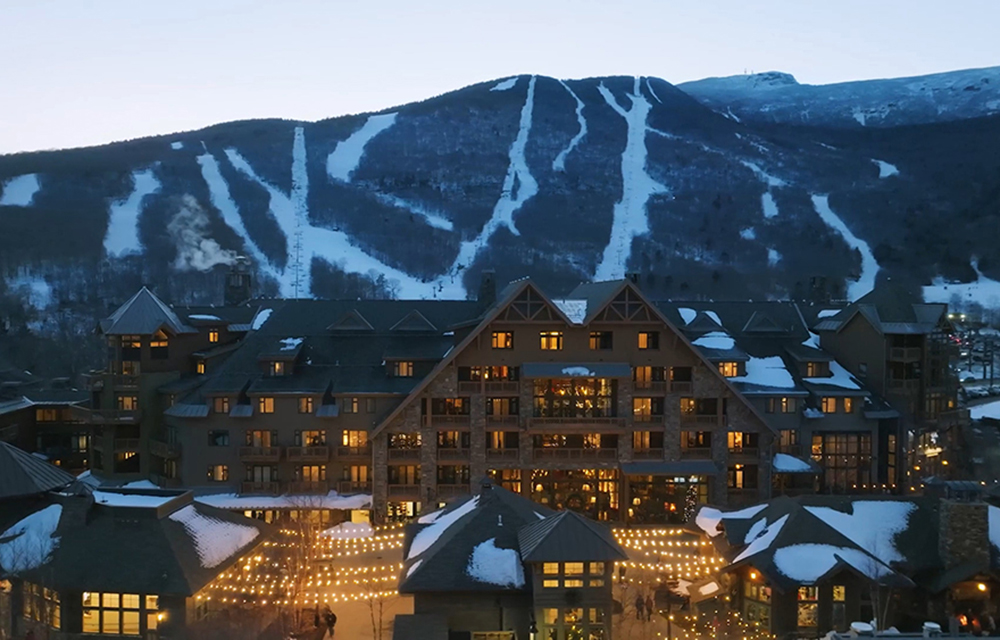
The Lodge at Spruce Peak recognized with Condé Nast Traveler’s 2026 Readers’ Choice Award - #3 in New England
Stowe, VT Condé Nast Traveler revealed the results of its annual Readers’ Choice Awards, with The Lodge at Spruce Peak recognized as the #3 U.S. Resort in New England.






Columns and Thought Leadership

The legislature has spoken: New Hampshire doubles down on housing in commercial zones - by John Sokul
Last year, the New Hampshire Legislature enacted HB 631, a landmark housing measure requiring municipalities to permit multifamily housing in commercially zoned districts. The law generated

IREM president’s message: Our new reality - Staying ahead of supply chain delays - by Yoany Vargas
Supply chain delays are slowing construction, ratcheting up operating costs, and extending turnover timelines across Greater Boston, directly reducing revenue and increasing the workload for multifamily and

Revitalized Town Centers: Retail??? - by Carol Todreas
It is now widely accepted that customers want to shop in person at physical stores. Brands know that they do better business in a physical store than just on line so they want to open stores. Demand for retail space by digital merchants, local entrepreneurs, and newly developed national chains

Retail infill strategy to activate Pawtucket’s Conant Thread District - by Gaetan Kashala
Until recently, the Conant Thread District consisted of approximately 150 acres of underutilized industrial land spanning Pawtucket and Central Falls. Today, the area is one of the most significant