


 (1).png)
News:
Owners Developers & Managers
Posted: August 14, 2026
The business case for arts & culture as a driver of development - by Gaetan Kashala

For nearly two decades, The Pawtucket Foundation has celebrated the city’s creative community through programming such as its Foundation Art Show in partnership with the Pawtucket Arts Collaborative. The upcoming Pawtucket Arts Festival further highlights the depth of local creative talent while drawing thousands of residents and visitors to downtown businesses, galleries, restaurants, and public spaces. Together, these initiatives demonstrate that arts and culture are important drivers of economic activity, placemaking, and investment.
Pawtucket’s longstanding commitment to integrating the arts into its economic development strategy is well founded. The city combines remarkable historic architecture, America’s first industrial mill, one of Rhode Island’s largest concentrations of working artists, affordable creative space, a walkable downtown, expanding residential and commercial development, growing transit connectivity, and convenient access to both Providence and Boston. These competitive advantages validate Pawtucket’s strategy of leveraging the arts to catalyze economic growth and real estate investment.
Pawtucket has embraced creative placemaking by bringing together artists, developers, residents, nonprofit organizations, and businesses to inform development initiatives. Public art integrated into streetscape improvements, artist-designed parks, cultural trails connecting neighborhoods, performance programming in public spaces, and community storytelling projects have strengthened the city’s identity while enhancing the appeal of its districts and generating long-term economic value.
Developers increasingly recognize that successful projects create destinations. In today’s competitive real estate market, arts and culture have become powerful tools for differentiation, helping create places where people want to live, work, visit, and invest. Artists have historically been among the first occupants of underutilized buildings, transforming vacant storefronts, former industrial properties, and aging commercial spaces into studios, galleries, rehearsal spaces, and performance venues. These creative uses activate neighborhoods by increasing pedestrian activity, extending downtown vibrancy into evenings and weekends, improving perceptions of safety, and demonstrating the market potential of overlooked properties.
As neighborhoods become more active, complementary investment often follows. Coffee shops, breweries, restaurants, boutiques, and retailers benefit from increased foot traffic generated by cultural destinations.
This activity strengthens commercial corridors, improves occupancy rates, reduces investment risk, and creates favorable conditions for adaptive reuse and mixed-use development.
The value of incorporating arts into development frameworks extends beyond the built environment. Quality of place is an important factor in attracting and retaining talented workers, and employers increasingly evaluate communities based on their ability to offer vibrant, engaging environments. Walkable downtowns, public art, festivals, live music, cultural diversity, and authentic creative experiences enhance a community’s competitiveness by delivering the lifestyle that today’s workforce increasingly seeks.
Developer thinking has evolved from viewing arts as simply aesthetic enhancement to leveraging it as a strategic investment that strengthens placemaking, differentiates projects, enhances curb appeal, increases tenant demand, and creates stronger connections between developments and their surrounding neighborhoods.
As America’s first industrial mill city, Pawtucket has repeatedly demonstrated its capacity for reimagination. The Foundation believes that continued investment in arts and culture should be viewed as essential economic infrastructure differentiating the city from regional peers. Integration of the creative industries into broader economic development strategies has delivered stronger entrepreneurship, increased tourism, enhanced property values, improved workforce attraction, and a more resilient local economy. By continuing to invest in creative placemaking, cultural programming, public art, and partnerships among artists, developers, businesses, educational institutions, and civic organizations, Pawtucket is strengthening its position as one of New England’s most differentiated development destinations.
Gaetan Kashala is the executive director of the Pawtucket Foundation, Pawtucket, R.I.
MORE FROM Owners Developers & Managers
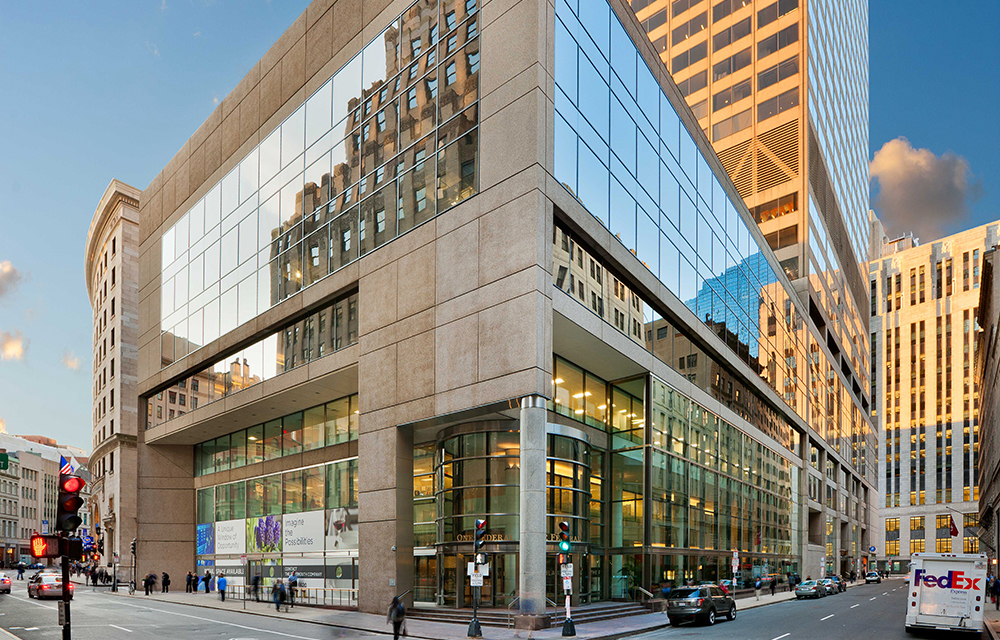
Rubin Rudman to establish headquarters at Tishman Speyer’s One Federal St.
Boston, MA Tishman Speyer has secured a new headquarters lease with Rubin Rudman at One Federal St., its 38-story, 1.1 million s/f tower in the Financial District. Under a 15-year lease, Rubin Rudman’s new headquarters will span 57,844 s/f across One Federal’s entire 23rd and 24th floors and a portion of the 25th floor.






Columns and Thought Leadership
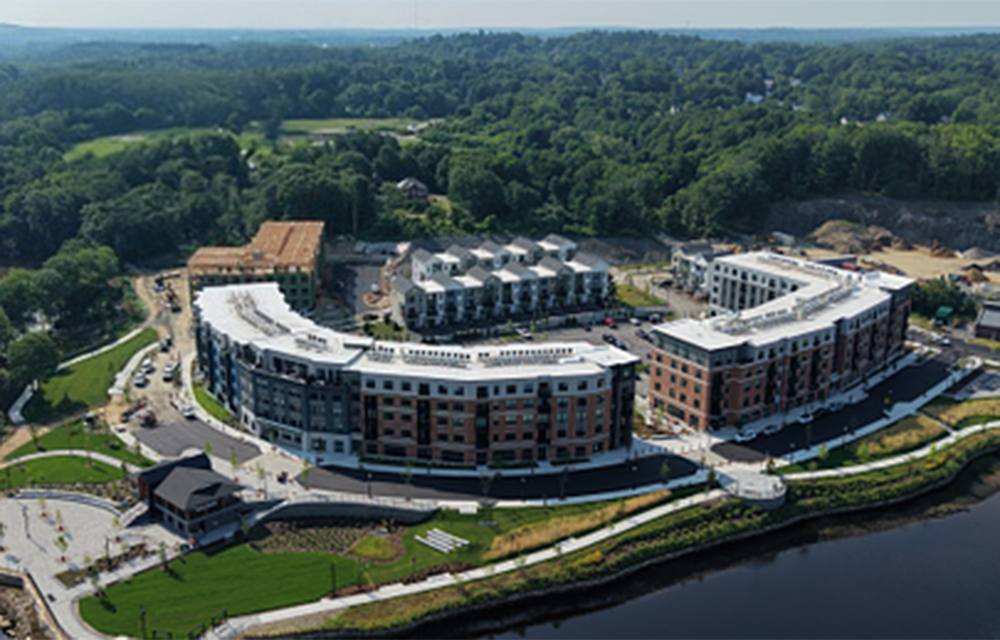
Retail infill strategy to activate Pawtucket’s Conant Thread District - by Gaetan Kashala
Until recently, the Conant Thread District consisted of approximately 150 acres of underutilized industrial land spanning Pawtucket and Central Falls. Today, the area is one of the most significant

Revitalized Town Centers: Retail??? - by Carol Todreas
It is now widely accepted that customers want to shop in person at physical stores. Brands know that they do better business in a physical store than just on line so they want to open stores. Demand for retail space by digital merchants, local entrepreneurs, and newly developed national chains

IREM president’s message: Our new reality - Staying ahead of supply chain delays - by Yoany Vargas
Supply chain delays are slowing construction, ratcheting up operating costs, and extending turnover timelines across Greater Boston, directly reducing revenue and increasing the workload for multifamily and

The legislature has spoken: New Hampshire doubles down on housing in commercial zones - by John Sokul
Last year, the New Hampshire Legislature enacted HB 631, a landmark housing measure requiring municipalities to permit multifamily housing in commercially zoned districts. The law generated