


 (1).png)
News:
Owners Developers & Managers
Posted: June 30, 2020
The retail comeback - by Carol Todreas

Todreas Hanley Associates
The recent closings of under-performing malls and stores are viewed as a cleansing. While it is still not over, there is considerable positive retail activity, and mostly because of Millennials. They are the largest demographic, 18 to 37 years of age, and ripe for buying. How they live, work, and consume informs all real estate as well as most all retail goods and services. Thus, we all feel the impact.
Millennials’ disrupted traditional retail by buying on- line, but interestingly they still make most of their purchases in stores. Internet stores have realized that physical stores are a necessary and vital channel for sales. Consider Amazon, powerhouse of the Internet, now opening brick and mortar bookstores across the country to be followed soon by other concepts in the pipeline. The stage is set and others are following.
Developers now have a bevy of tenants and a needy market in Millennials, and they are creating transit -oriented mixed-use projects that are right- on for the millennial lifestyle, like Assembly Row in Somerville. An under-used stretch of land became a vibrant pedestrian–friendly neighborhood with streets, housing, offices, restaurants, stores and entertainment built around a new transit station paid for by the developer.
This type of quality development is in demand by many national retailers, but supply of such projects is limited. Thus many retailers searching for millennial- populated neighborhoods are tweaking their concepts to fit into neighborhood shopping streets.
Once primarily urban dwellers, Millennials have been migrating recently to the suburbs. High rents, low supply, student debt, the start of families have converged making suburbs a better fit.
This is an opportunity to fix suburban shopping streets and/or the neighborhood commercial districts so they appeal to this market. Millennial homeowners desire the same lifestyle they had in the cities: walk to eating and shopping. They want to grab a latte in the morning, get a manicure/pedicure while waiting for the kids to finish at karate, take a yoga class to wind down in late afternoon, and sip a glass of chilled Pinot Grigiot with friends at the local cafe. Dinner out? Stroll to the Chilean Bistro two blocks away. This is neighborhood: live, play, (and maybe work) nearby.
To benefit, communities will need to upgrade existing retail areas for Millennials, balancing the best of the old with the cool of the new. It will be crucial to know how to approach existing regulations, outdated zoning, overly grandiose interventions, misguided planned inappropriate uses, and countless concerns of owners, public officials, merchants, planners, and residents. Challenging, but well worth the effort. Questions or relevant experience to share? Contact me: carol@todreas.com.
Carol Todreas is a principal at Todreas Hanley Associates, Cambridge, Mass.
MORE FROM Owners Developers & Managers
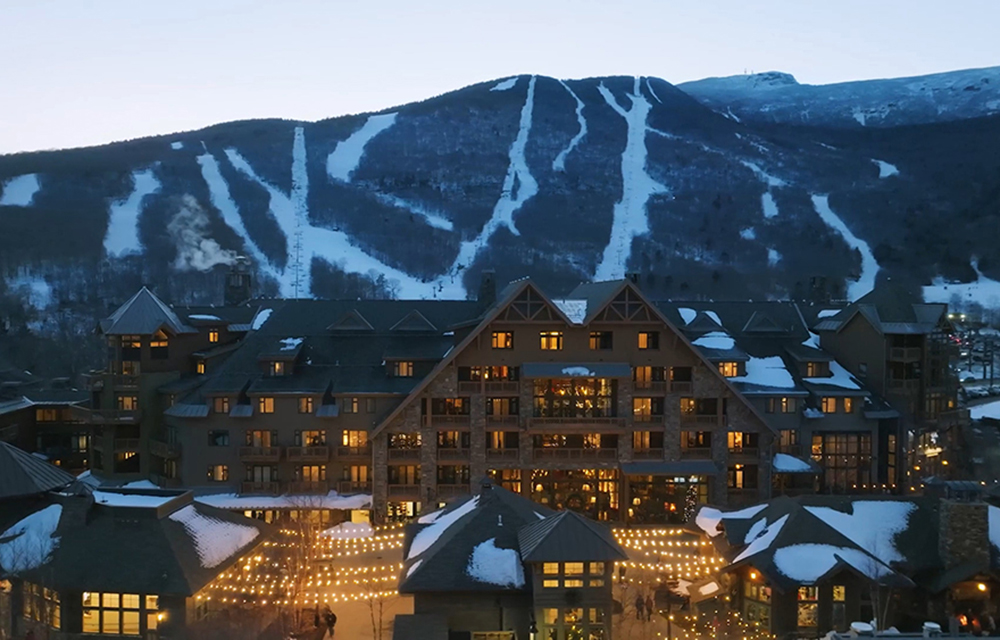
The Lodge at Spruce Peak recognized with Condé Nast Traveler’s 2026 Readers’ Choice Award - #3 in New England
Stowe, VT Condé Nast Traveler revealed the results of its annual Readers’ Choice Awards, with The Lodge at Spruce Peak recognized as the #3 U.S. Resort in New England.




 (1).png)

Columns and Thought Leadership

Retail infill strategy to activate Pawtucket’s Conant Thread District - by Gaetan Kashala
Until recently, the Conant Thread District consisted of approximately 150 acres of underutilized industrial land spanning Pawtucket and Central Falls. Today, the area is one of the most significant

IREM president’s message: Our new reality - Staying ahead of supply chain delays - by Yoany Vargas
Supply chain delays are slowing construction, ratcheting up operating costs, and extending turnover timelines across Greater Boston, directly reducing revenue and increasing the workload for multifamily and

Revitalized Town Centers: Retail??? - by Carol Todreas
It is now widely accepted that customers want to shop in person at physical stores. Brands know that they do better business in a physical store than just on line so they want to open stores. Demand for retail space by digital merchants, local entrepreneurs, and newly developed national chains

The legislature has spoken: New Hampshire doubles down on housing in commercial zones - by John Sokul
Last year, the New Hampshire Legislature enacted HB 631, a landmark housing measure requiring municipalities to permit multifamily housing in commercially zoned districts. The law generated