


 (1).png)
News:
Owners Developers & Managers
Posted: June 8, 2026
Why resident engagement is becoming a new asset performance metric

For years, multifamily owners have competed by adding amenities. Fitness centers became larger. Clubrooms became more sophisticated. Developers invested heavily in co-working spaces, pet amenities, outdoor gathering areas, and wellness-focused features.
The assumption was simple: better amenities would create a better resident experience. Yet many operators continue to face the same challenge. Utilization remains inconsistent, resident engagement varies widely across properties, and retention remains one of the industry’s most persistent operational challenges.
The reality is that amenities alone do not create value. Participation creates value. A fitness center that sits empty does little to impact resident satisfaction. A resident event attended by a handful of people rarely creates meaningful community. Even the most thoughtfully designed amenity package cannot influence retention if residents never engage with it. As a result, a growing number of operators are beginning to focus on a different question:
How do we increase engagement?
This shift represents what may be the next evolution in multifamily operations. Historically, operators have relied on metrics such as occupancy, rent growth, concessions, and renewal rates to evaluate performance. These metrics remain critical, but they are largely lagging indicators. They tell us what happened.
Behavior tells us what is happening now.
How frequently are residents engaging with amenities? Which events drive participation? What experiences create a stronger sense of community? Which resident behaviors correlate with higher renewal rates?
These questions are becoming increasingly important because engagement is no longer just a resident experience metric.
It is becoming an asset performance metric.
The financial implications are significant. Every resident who renews a lease instead of moving out helps reduce turnover costs, vacancy exposure, marketing expenses, make-ready costs, and leasing commissions. In a market where operators are under pressure to protect margins and preserve NOI, retention remains one of the most valuable levers available.
The challenge is that retention cannot be forced. It must be earned.
Residents who regularly engage with amenities, attend events, build relationships with neighbors, and feel connected to their community often perceive greater value in where they live. That sense of connection can become a powerful differentiator in an increasingly competitive market.
In many ways, multifamily is beginning to borrow lessons from the technology sector. The world’s most successful consumer platforms understand behavior. They use personalization, incentives, recognition, and engagement strategies to encourage participation and build loyalty.
Real estate is beginning to move in the same direction.
Forward-thinking operators are exploring ways to better understand resident behavior, encourage amenity utilization, and create stronger community connections throughout their properties.
One example of this shift is the emergence of resident engagement platforms designed to help operators better understand and influence participation. At Elite Wellness Amenity Group, we recently launched ResiLife, a resident engagement platform built around a simple premise: communities create value when residents actively engage with them.
ResiLife enables residents to discover amenities, participate in events, earn rewards for engagement, and connect more deeply with their community. For operators, it provides visibility into engagement trends, amenity utilization, and participation patterns that have historically been difficult to measure.
The objective is not simply to provide amenities. The objective is to activate them. As resident expectations continue to evolve, the industry’s most successful assets may not be those with the largest fitness centers, most luxurious clubrooms, or longest amenity lists. They may be the communities that create the highest levels of participation.
For years, multifamily has measured buildings through occupancy, rent growth, and renewals. The next generation of operators may add another metric: engagement.
Because amenities attract residents. But engagement is what keeps them. And in an industry increasingly focused on retention, NOI, and long-term asset performance, that distinction matters more than ever.
Jennifer DiCecco is senior vice president of Strategic Partnerships at Elite Wellness Amenity Group.
MORE FROM Owners Developers & Managers
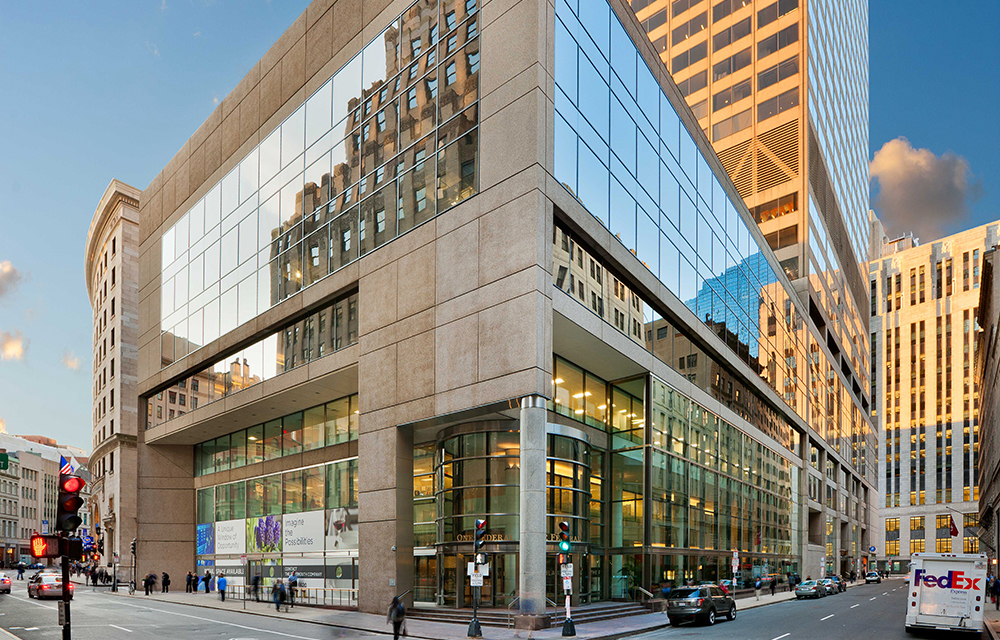
Rubin Rudman to establish headquarters at Tishman Speyer’s One Federal St.
Boston, MA Tishman Speyer has secured a new headquarters lease with Rubin Rudman at One Federal St., its 38-story, 1.1 million s/f tower in the Financial District. Under a 15-year lease, Rubin Rudman’s new headquarters will span 57,844 s/f across One Federal’s entire 23rd and 24th floors and a portion of the 25th floor.







Columns and Thought Leadership

Revitalized Town Centers: Retail??? - by Carol Todreas
It is now widely accepted that customers want to shop in person at physical stores. Brands know that they do better business in a physical store than just on line so they want to open stores. Demand for retail space by digital merchants, local entrepreneurs, and newly developed national chains

Retail infill strategy to activate Pawtucket’s Conant Thread District - by Gaetan Kashala
Until recently, the Conant Thread District consisted of approximately 150 acres of underutilized industrial land spanning Pawtucket and Central Falls. Today, the area is one of the most significant

IREM president’s message: Our new reality - Staying ahead of supply chain delays - by Yoany Vargas
Supply chain delays are slowing construction, ratcheting up operating costs, and extending turnover timelines across Greater Boston, directly reducing revenue and increasing the workload for multifamily and

The legislature has spoken: New Hampshire doubles down on housing in commercial zones - by John Sokul
Last year, the New Hampshire Legislature enacted HB 631, a landmark housing measure requiring municipalities to permit multifamily housing in commercially zoned districts. The law generated