



News:
Spotlight Content
Posted: September 30, 2022
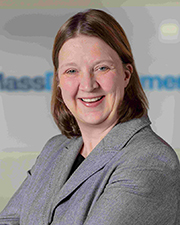
2022 Women in Commercial Real Estate: Gemma Geldmacher, Berkadia

Managing Director
Berkadia
What advice would you offer to women getting into the CRE industry?
Find your people! Whether it’s female mentors, male colleagues, competitors, or some combination of that, I’ve found it hugely important to have people to lean on, learn from, challenge you, and support you through your journey. Be curious about people you work with and seek out those you connect with. Relationships don’t develop overnight, so you need to have patience and persistence. But commercial real estate can be a demanding and intense industry, and ultimately those relationships will help buoy you throughout your career.
What has been your biggest challenge and how have you faced it?
Seven years ago, I made the jump from an underwriting role to an originations role. It was terrifying. I wondered all the time if I was failing, would fail, or had already failed. But my boss set realistic expectations (even if I didn’t believe them) and encouraged me every day to put my head down and keep doing my best. It was HARD, and it’s still hard, but approaching such a transition with an amazing support system, dogged persistence, organization and a relentless focus have been the “secrets” to my success.
What trends will dominate your industry in the coming months?
In my 20 years in the commercial real estate industry, including the lead up to the 2008 crash, I can safely say I have never seen the industry in the absolute frenzy it’s been in the last two years. The increase in interest rates will have a dampening effect on the industry and should return volume on both the sales and finance side to more normal (if slightly elevated) levels. This will allow those of us who truly love this industry and what we do to continue to do what we do best.
Tags:
Spotlight Content
MORE FROM Spotlight Content

New England Real Estate Journal's 2026 Women in Commercial Real Estate Spotlight
NEREJ's Women in CRE Spotlight celebrates the women making an impact across commercial real estate and the companies that recognize, support and champion them.






Quick Hits

Columns and Thought Leadership

Shallow-bay wins on 495/128: A renewal-driven market with a thin pipeline - by Nate Nickerson
The Boston industrial market entered mid-2025 in a bifurcated state. Large-block vacancy remains elevated, while shallow-bay along the 495/128 corridor continues to prove resilient. Fieldstone’s focus on this geography positions us squarely in the middle of a renewal-driven, supply-constrained

How do we manage our businesses in a climate of uncertainty? - by David O'Sullivan
These are uncertain times for the home building industry. We have the threat of tariffs mixed with high interest rates and lenders nervous about the market. Every professional, whether builder, broker, or architect, asks themselves, how do we manage our business in today’s climate? We all strive not just to succeed, but

As legacy names recalibrate, new entrants are moving in with fresh capital, new technologies, and business models tailored to today’s supply-chain needs - by Michael Harrington
Southern New Hampshire’s industrial market has always punched above its weight. For decades, the region has attracted a mix of advanced manufacturing, beverage and food producers, logistics operators, and specialty

Limited supply fuels landlord‑friendly conditions in Rhode Island’s industrial market - by Julie Freshman and George Paskalis
As we enter the spring of 2026, the Rhode Island industrial real estate market stands on stable footing, following several years of resilience fueled by constrained supply, steady demand, and dynamic economic conditions.
