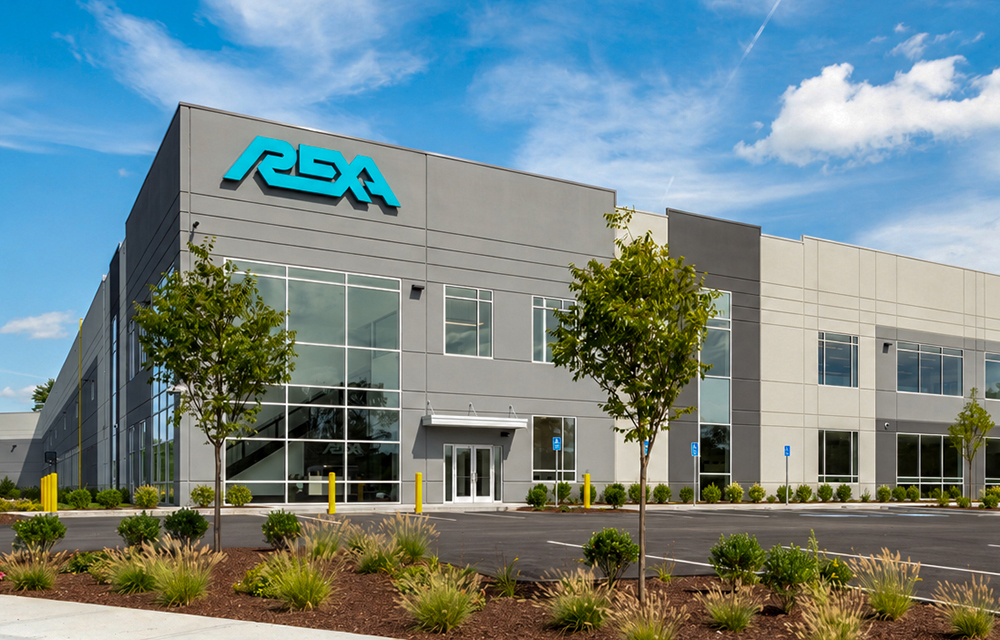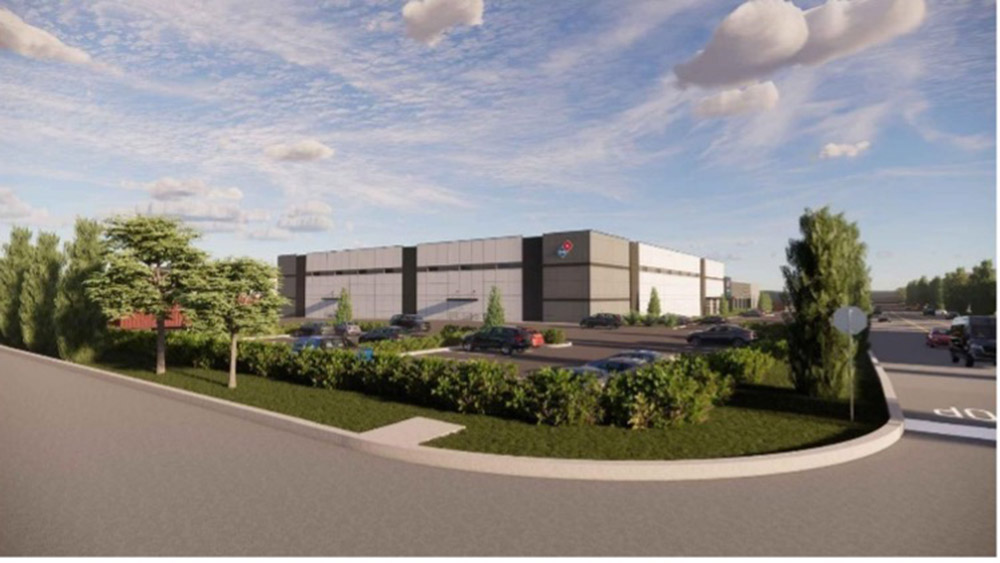
CO2 refrigeration systems due to evolving regulations
and efficiency benefits. ARCO is partnering with Domino’s
on a 64,320 s/f production and distribution center expansion
with multiple cooler/freezer spaces and a CO2 refrigeration system.




The food and beverage industry demonstrated strong resilience in 2024, adapting as consumer preferences shifted toward niche products like plant-based foods, craft beverages, and organic options. In response, companies expanded their product offerings, driving the need for specialized production and cold storage facilities capable of supporting evolving processes and products. Looking ahead, the industry is poised for continued growth, with an increasing emphasis on sustainability, efficiency, and flexibility in facility design and construction. With the complexity of these operations, food and beverage companies are increasingly turning to design-build partners who can ensure efficient collaboration and timely project completion.
Adapting to Consumer Trends
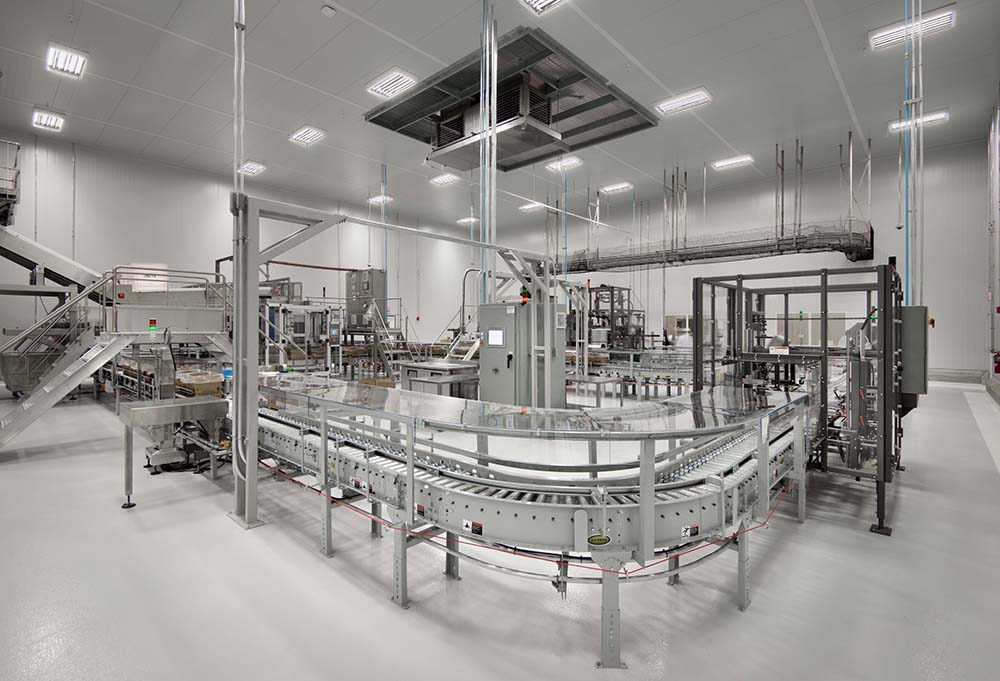
As consumer preferences shift toward plant-based foods, craft beverages, and organic options, food and beverage companies are expanding their product offerings. Even industries traditionally seen as unhealthy, like bakeries, are growing by introducing alternatives like sugar-free and nutrient-enriched items. The rise in demand for these types of products is driving the need for facilities that can accommodate specialized and evolving production lines.
Due to their complexity, these facilities require careful coordination of design, construction, and sequencing schedules, often involving multiple process vendors and numerous utility and equipment connections within a limited space. It is crucial to partner with a design-builder who can collaborate closely with the client, design team, and equipment vendors from the early stages. This allows for the building design to be optimized to accommodate the processing equipment layout.
Consumer preferences for fresh, locally grown food are driving evolution in cold storage facility design and construction, as well. Cold storage facilities are evolving to support the storage of fresh produce, dairy, and meat products, with a focus on temperature-controlled areas with high humidity levels to extend shelf life and maintain product quality.
Focusing on Sustainability
Sustainability is now a key focus for food and beverage facilities, with many adopting a range of features to reduce environmental impact and improve efficiency. These features include energy-efficient lighting systems, renewable energy integration such as solar panels, and water conservation through features like water-efficient fixtures and systems.
In cold storage facilities, a significant trend is the shift toward more efficient refrigeration systems, with CO2 and transcritical CO2 systems becoming more common. As environmental regulations evolve, CO2 refrigeration is viewed as a future-proof solution, offering long-term energy savings despite higher initial costs compared to traditional ammonia or freon systems. Food and beverage facility owners are increasingly choosing CO2 systems not only for their environmental benefits but for their potential to reduce operational costs over time.
Design-build contractors with experience in food and beverage construction can guide clients through the decision-making process, helping them select sustainable refrigeration options and other energy-efficient features that align with both regulatory requirements and cost considerations.
Maximizing Supply Chain Efficiency
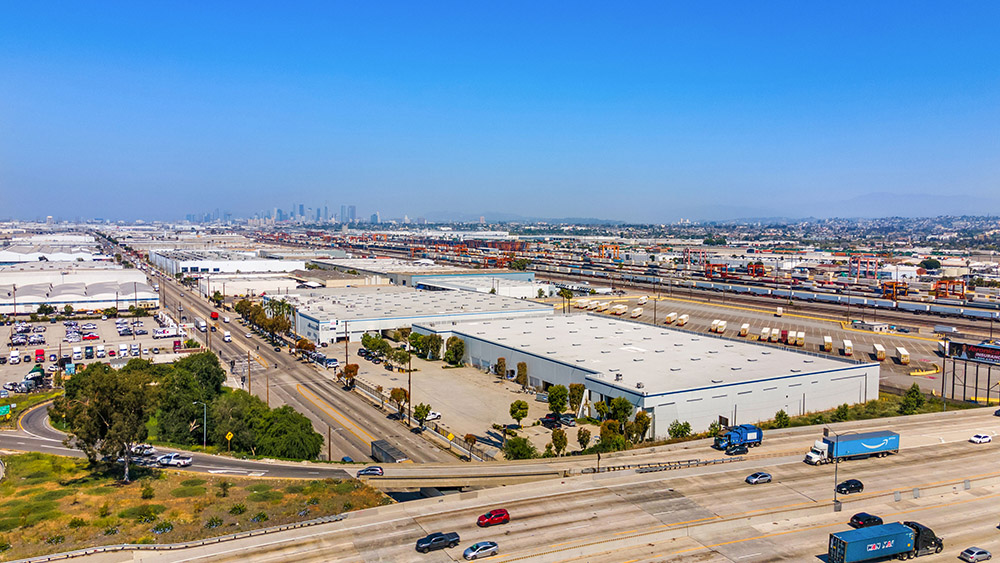
Many food and beverage companies are placing an increased focus on improving supply chain efficiency to reduce costs and enhance resilience. One strategy gaining popularity is establishing production facilities closer to raw materials. In line with this, companies are also choosing to build cold storage facilities near their manufacturing hubs. This proximity allows for the efficient storage of raw materials, intermediate products, and finished goods, ensuring that production processes are supported with timely access to necessary resources. Some companies are even reallocating former storage space for production and constructing nearby cold storage facilities to increase capacity. By co-locating these essential functions, companies can streamline operations, improve responsiveness, and better meet the demands of both production and distribution.
Additionally, ARCO is seeing increasing demand from clients focused on enhancing delivery times and optimizing just-in-time delivery. These projects are typically situated in high-population areas and often involve retrofitting existing warehouses that provide strategic location advantages.
ARCO National Construction is a design-build general contractor with over 60 million s/f of space completed for food and beverage clientele across the U.S.
Jason Grant is president of ARCO National Construction | New England, Boston, Mass.