



News:
Spotlight Content
Posted: February 28, 2025
2025 NEREJ Women in construction - Featured Woman-Owned Business: Patriquin Architects
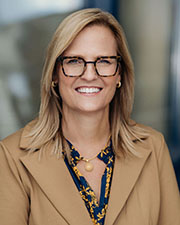
What inspired you to start your firm, and how has your vision evolved over the years?
My path to founding this firm was shaped by experiences in various architectural offices – both what to emulate and what to change. I learned from offices with strong design cultures, others with deep technical expertise, and some with remarkable client relationships. These experiences helped me envision a practice that could combine design excellence with a healthy workplace culture and meaningful community engagement. Starting this firm in 2010, we focused on creating an environment where architects could thrive while working on projects that matter – affordable housing that feels like home, schools that inspire learning, and cultural and commercial spaces that unite communities. This vision continues to guide our growth today.
As a leader, what values or principles do you prioritize when guiding your team or making decisions?
Three core principles guide our decisions: community impact, sustainability, and responsible design. Community impact means creating architecture that actively strengthens neighborhoods through extensive stakeholder engagement and spaces that foster connection. Sustainability extends beyond environmental performance to consider building lifecycles, from construction methods to operational costs and future adaptability. Responsible design encompasses economic stewardship, finding creative solutions within budget constraints, and respecting historic contexts when renovating or building in historic districts. These principles serve as practical tools for evaluating opportunities and resolving design challenges while building trust with clients and communities.
What advice would you offer to women who aspire to lead and succeed in the A/E/C industry?
To women aspiring to lead in architecture: Build your technical expertise while developing your unique perspective. Being one of few women in many rooms taught me that our different viewpoints are actually our strength. Find mentors, but also become one. Network authentically by building genuine relationships rather than just professional connections. Don’t be afraid to challenge traditional approaches – architecture needs diverse voices and leadership styles. Remember that your experiences, even the challenging ones, can inform designs that better serve diverse communities. Stay committed to your vision while remaining open to learning and growth.
What’s been the most rewarding part of your leadership journey, and how have you grown as a leader along the way?
The most rewarding aspect has been watching our projects transform communities while seeing team members grow into leaders themselves. I’ve learned that leadership isn’t about having all the answers, but creating an environment where good ideas can come from anywhere. My journey has taught me that vulnerability can be a strength – being open about challenges and mistakes builds trust and resilience. Seeing our vision of community-centered architecture take root and inspire others in the industry has been incredibly fulfilling. The greatest satisfaction comes from knowing we’re helping shape a more inclusive, sustainable architectural future.
Tags:
Spotlight Content
MORE FROM Spotlight Content

New England Real Estate Journal's 2026 Women in Commercial Real Estate Spotlight
NEREJ's Women in CRE Spotlight celebrates the women making an impact across commercial real estate and the companies that recognize, support and champion them.






 (1).gif)
.png)
Columns and Thought Leadership

Limited supply fuels landlord‑friendly conditions in Rhode Island’s industrial market - by Julie Freshman and George Paskalis
As we enter the spring of 2026, the Rhode Island industrial real estate market stands on stable footing, following several years of resilience fueled by constrained supply, steady demand, and dynamic economic conditions.

Shallow-bay wins on 495/128: A renewal-driven market with a thin pipeline - by Nate Nickerson
The Boston industrial market entered mid-2025 in a bifurcated state. Large-block vacancy remains elevated, while shallow-bay along the 495/128 corridor continues to prove resilient. Fieldstone’s focus on this geography positions us squarely in the middle of a renewal-driven, supply-constrained

As legacy names recalibrate, new entrants are moving in with fresh capital, new technologies, and business models tailored to today’s supply-chain needs - by Michael Harrington
Southern New Hampshire’s industrial market has always punched above its weight. For decades, the region has attracted a mix of advanced manufacturing, beverage and food producers, logistics operators, and specialty

How do we manage our businesses in a climate of uncertainty? - by David O'Sullivan
These are uncertain times for the home building industry. We have the threat of tariffs mixed with high interest rates and lenders nervous about the market. Every professional, whether builder, broker, or architect, asks themselves, how do we manage our business in today’s climate? We all strive not just to succeed, but
