


 (1).png)
News:
Owners Developers & Managers
Posted: February 27, 2026
2026 Outlook for Community Associations Continued Growth Amid Stabilizing Housing Market
The Foundation for Community Association Research, which provides research-based information for homeowners, association board members, community managers, developers and others, released its community association outlook report for 2026.
The report indicates that the 2026 housing market is expected to build on the gradual stabilization that began in 2025, with improvements in inventory, sales activity, and affordability indicators. While mortgage rate movements remain a key variable, most forecasters anticipate continued moderation and greater market balance.
Despite broader economic uncertainties, the community association housing sector is projected to remain resilient and continues to be a preferred choice for millions of Americans.
Key Trends to Watch in 2026
• Rising Inventory Levels - Most economic and housing analysts expect housing inventory to increase again in 2026, supported by steady new construction activity and more homeowners listing properties as mortgage-rate lock-in pressures ease.
• Continued Recovery in Home Sales - Sales activity is expected to strengthen following the improvements seen in 2025, as affordability gradually improves and buyers return to the market.
• Modest Price Appreciation - National home prices are projected to grow 2–3%, reflecting a more balanced market and slower inflation in the housing sector.
• More Predictable Mortgage Rates - Mortgage rates are expected to continue stabilizing, with some forecasts projecting a shift toward the mid-5% range by late 2026.
• Sustained Construction Activity - New housing construction is anticipated to remain close to long-term historical norms. While not expected to fully resolve the national supply shortage, continued building will help ease inventory pressures, especially in high-growth regions.
• Growth in Community Associations - The community association housing model continues to expand as developers, planners, and local governments increasingly rely on planned communities, condominium associations, and cooperatives to support new housing growth.
According to updated projections from the Foundation for Community Association Research, the number of new community associations is expected to increase by another 3,000 - 4,000 in 2026. Community associations – encompassing planned communities, condominiums, and housing cooperatives – now house nearly 80 million Americans and represent one-third of the U.S. housing stock.
The Foundation’s U.S. National and State Statistical Review for Community Association Data estimates the national total will grow from approximately 373,000 associations at the end of 2025 to as many as 377,000 in 2026.
Stability in the Community Association Market
Despite broader economic or geopolitical volatility, community associations continue to draw buyers thanks to their amenities, predictable governance, and emphasis on community standards. Whether buying newly constructed homes or existing properties, many Americans continue to prioritize the benefits these communities offer.
Community Association Living - Since the 1970s, community associations have expanded rapidly, particularly among condominium and townhome buyers seeking proximity to job centers, schools, and transit. Planned communities also enable municipalities to transfer costs for services such as:
• Trash and recycling;
• Stormwater infrastructure;
• Snow removal;
• Roadway and sidewalk maintenance; and
• Shared amenities.
This model allows for sustainable growth without significant taxpayer expansion.
For more community association research and statistics, visit the Foundation for Community Association Research at https://foundation.caionline.org/
MORE FROM Owners Developers & Managers
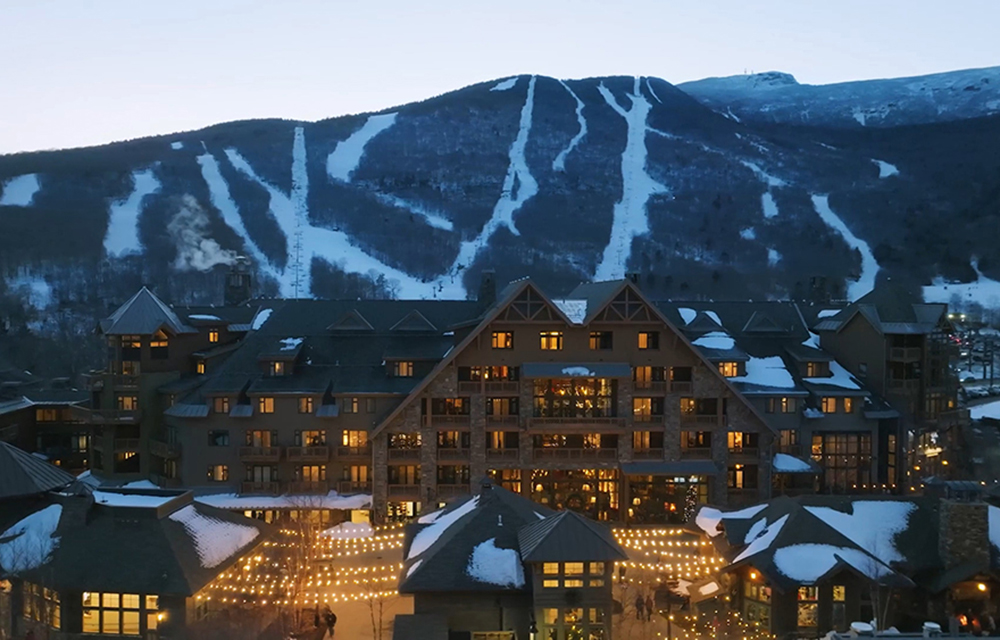
The Lodge at Spruce Peak recognized with Condé Nast Traveler’s 2026 Readers’ Choice Award - #3 in New England
Stowe, VT Condé Nast Traveler revealed the results of its annual Readers’ Choice Awards, with The Lodge at Spruce Peak recognized as the #3 U.S. Resort in New England.







Columns and Thought Leadership

Retail infill strategy to activate Pawtucket’s Conant Thread District - by Gaetan Kashala
Until recently, the Conant Thread District consisted of approximately 150 acres of underutilized industrial land spanning Pawtucket and Central Falls. Today, the area is one of the most significant

Revitalized Town Centers: Retail??? - by Carol Todreas
It is now widely accepted that customers want to shop in person at physical stores. Brands know that they do better business in a physical store than just on line so they want to open stores. Demand for retail space by digital merchants, local entrepreneurs, and newly developed national chains

The legislature has spoken: New Hampshire doubles down on housing in commercial zones - by John Sokul
Last year, the New Hampshire Legislature enacted HB 631, a landmark housing measure requiring municipalities to permit multifamily housing in commercially zoned districts. The law generated

IREM president’s message: Our new reality - Staying ahead of supply chain delays - by Yoany Vargas
Supply chain delays are slowing construction, ratcheting up operating costs, and extending turnover timelines across Greater Boston, directly reducing revenue and increasing the workload for multifamily and