


 (1).png)
News:
Owners Developers & Managers
Posted: March 6, 2008
Act now to repair winter pavement damage and save thousands of dollars
Significant maintenance dollars can be saved by early detection and repair of winter pavement damage. During the coldest months, daytime melting and nighttime refreezing wreaks havoc on paved surfaces as the freeze-thaw cycle wedges open small cracks and breaks loose chunks of asphalt
Even as temperatures warm through March and April, the destructive season for pavement has not yet ended. Pavement surfaces that have been breached by ice will be further weakened as spring rains penetrate to the underlying soil. As the wet soil yields under weight, settlement and breaking of the asphalt surface occurs, and potholes develop. Quick attention to correcting winter damage now can avoid far more costly repairs later. Keep in mind that following a harsh winter, many asphalt maintenance companies will be very busy, so schedule repair work early in the season.
The Pavement Degradation Process
Prolonging the life of your asphalt investment requires a basic understanding of how pavement degrades in the first place. A common misconception among property owners is that the weight and wear of passing traffic are the primary factors in the gradual failure of asphalt surfaces. The natural elements are in fact even greater players in the destructive process.
Solar ultraviolet radiation oxidizes the surface of the asphalt, causing shrinking and embrittlement of the binder. As the binder pulls away from the aggregate, tiny fractures develop in the pavement surface. The sun-damaged pavement takes on a gray coloration, and becomes more prone to cracking from normal traffic activity. Winter freeze-thaw cycles accelerate the destructive process started by the sun. The wedging action of ice opens small splits into larger cracks. Gradually the cracks penetrate to the base soil, providing a route for water to flow under the pavement
Sealing Cracks is a Top Priority
The most urgent maintenance item in the early spring is to seal new cracks in otherwise sound pavement to prevent water penetration and further fragmentation of the asphalt surface. All cracks should first be cleaned with pressurized air, and then sealed with a hot applied rubberized joint sealant that meets federal specifications.
It is very important that a top quality joint sealant with a wide useful temperature range be used for this application. The product must remain cohesive and stand up to vehicle traffic under very high asphalt temperatures during the summer months. It must also remain flexible and continue to seal out moisture under very low wintertime temperatures.
Cut and Patch the Potholes
Areas of spider-web cracks and broken pavement most often occur where simple linear cracks have been neglected and not properly sealed. Water penetration and winter freeze-thaw cycles widen the cracks, and the damage progresses at an accelerating pace. Eventually the pavement breaks through completely and potholes form.
Areas that have spider webbed cracks or potholes are beyond the point of cracksealing. These areas must be cut square, ripped out, regraded, and then repaved with 1.5" of bituminous binder, followed by 1.5" of bituminous topcoat asphalt. Edges must be emulsified to bond the new pavement to the old.
The Importance of Periodic Sealcoating
Sealcoating is an important means of preventing the solar damage that starts the whole pavement degradation cycle in the first place. Sealcoat is a coal tar pitch or asphalt emulsion fortified with additives. It provides an outstanding barrier against water seepage, petroleum spills, and ultraviolet oxidation. Sealcoating of pavement at three-year intervals will virtually stop solar damage to the binder material. For that reason, sealcoating is a very cost-effective preventative maintenance measure for greatly extending the useful life of pavement.
For the professional property manager, a progressive asphalt maintenance plan can greatly extend the longevity of parking areas. What is the most cost effective time cycle for performing pavement maintenance? The answer depends on local climate and the age and condition of the asphalt surface. Early attention to winter damage and a progressive maintenance plan for your asphalt, including sealcoating, can save considerable money in the long term while improving the overall appearance of a commercial property.
Your pavement contractor can be your best resource in achieving the longest life from your pavement while avoiding liability pitfalls. At U.S. Pavement Services, we provide our customers with free pavement inspection and consultation services, and regularly provide cost effective solutions to a variety of pavement problems. Our team is available 24-hours a day at 1-800-PAVEMENT or online at US Payment
Michael Musto is president at U.S. Pavement Services, Inc., Woburn, Mass.
MORE FROM Owners Developers & Managers
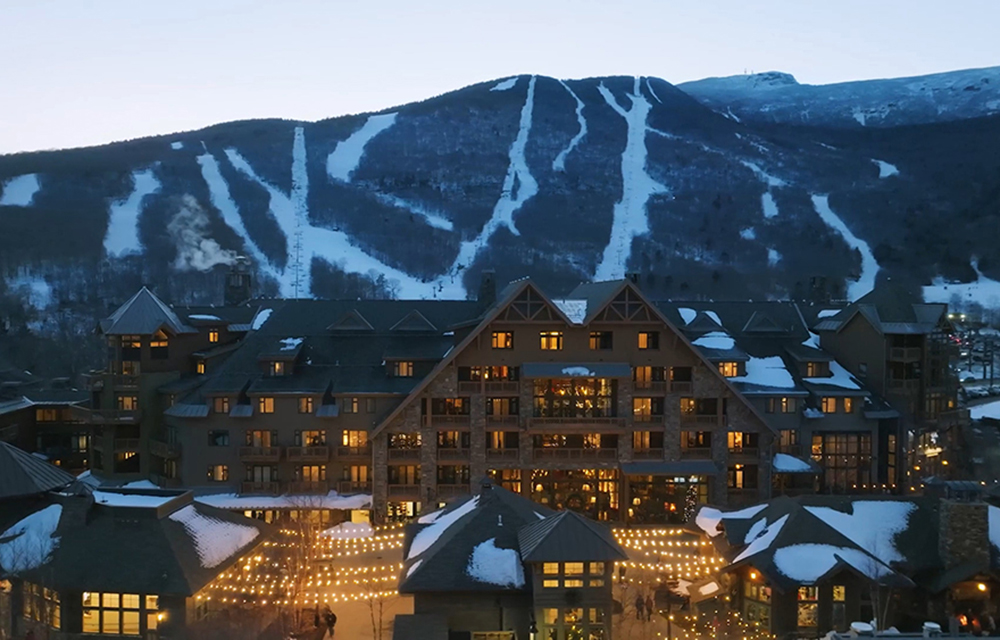
The Lodge at Spruce Peak recognized with Condé Nast Traveler’s 2026 Readers’ Choice Award - #3 in New England
Stowe, VT Condé Nast Traveler revealed the results of its annual Readers’ Choice Awards, with The Lodge at Spruce Peak recognized as the #3 U.S. Resort in New England.




Quick Hits
 (1).png)

Columns and Thought Leadership

The legislature has spoken: New Hampshire doubles down on housing in commercial zones - by John Sokul
Last year, the New Hampshire Legislature enacted HB 631, a landmark housing measure requiring municipalities to permit multifamily housing in commercially zoned districts. The law generated

Retail infill strategy to activate Pawtucket’s Conant Thread District - by Gaetan Kashala
Until recently, the Conant Thread District consisted of approximately 150 acres of underutilized industrial land spanning Pawtucket and Central Falls. Today, the area is one of the most significant

Revitalized Town Centers: Retail??? - by Carol Todreas
It is now widely accepted that customers want to shop in person at physical stores. Brands know that they do better business in a physical store than just on line so they want to open stores. Demand for retail space by digital merchants, local entrepreneurs, and newly developed national chains

IREM president’s message: Our new reality - Staying ahead of supply chain delays - by Yoany Vargas
Supply chain delays are slowing construction, ratcheting up operating costs, and extending turnover timelines across Greater Boston, directly reducing revenue and increasing the workload for multifamily and