

News: Spotlight Content

Braun and Creahan of United Multi Family broker the sale of three apartment buildings totaling $7.984 million

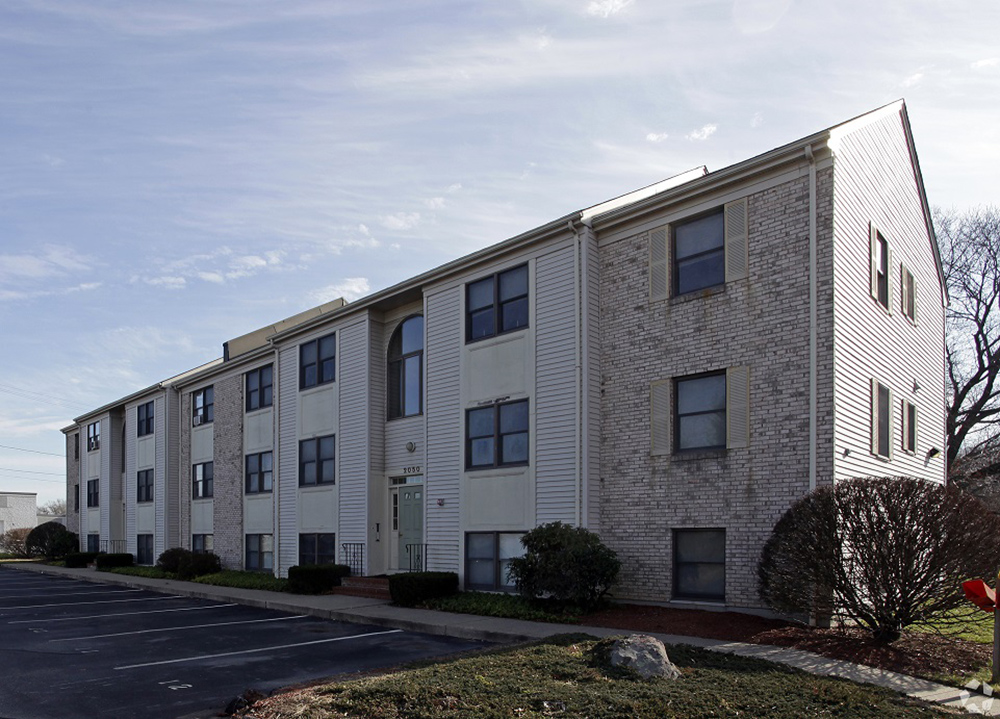
2050-2100 County Street - Attleboro, MA

Attleboro, MA Jason Braun and Jack Creahan of United Multi Family (UMF) have brokered three sales totaling $7.984 million in Mass. The sales include the following:

Jason Braun, United Multi Family


Jack Creahan, United Multi Family


• UMF brokered the sale of a 36-unit apartment building at 2050-2100 County St. for $4.3 million ($119,444 per unit). The sale was handled by Braun. The vinyl and brick sided residences were built in 1987 and consisted of 30 two-bedroom and 6 one-bedroom apartments in 3 twelve-unit buildings. The property was sold by Ohlson Stern Management to Scotia Middlesex LLC with the buyer assuming the existing debt with Arbor Commercial.
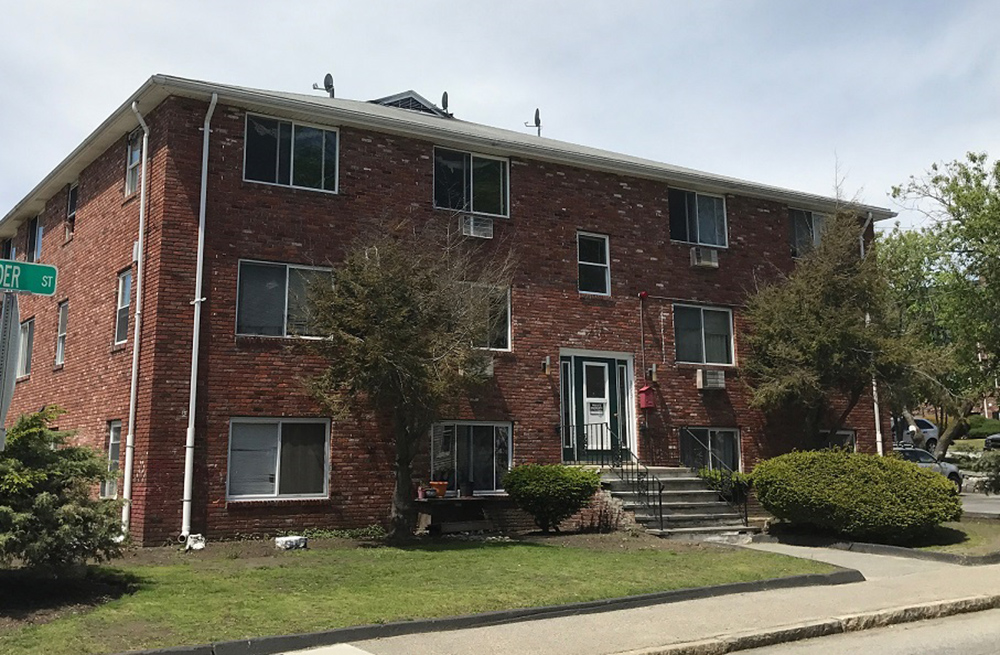
393 Wilder Street - Lowell, MA

• UMF brokered the sale of a 17 unit apartment building with 12 two-bedrooms and 5 one-bedrooms at 393 Wilder St. in Lowell, for $1.794 million ($105,529 per unit). The sale was handled by Creahan. The brick residences were built in 1960 and sold by Wilder Street Realty LLC to Lighthouse Group Properties LLC with financing provided by Enterprise Bank & Trust. The CAP rate at the time of sale was 7.12% with the property having a gross annual income of $189,600. 
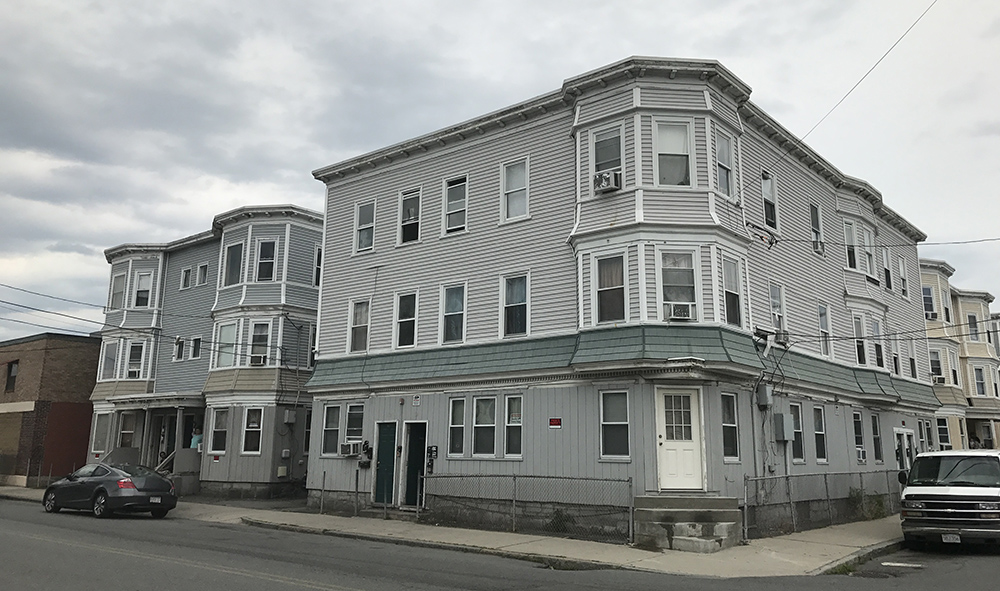
102-114 Water Street - Lawrence, MA

• UMF brokered the sale of a 26 unit apartment building at 102-114 Water St. in Lawrence, for $1.89 million ($72,692 per unit). The sale was handled by Creahan. The property was built in 1940 comprised of 2 four-bedroom, 20 three-bedroom and 4 two-bedroom apartments. The property was sold by Salvatore Valente to Z4 Jordan Properties LLC with financing provided by Leader Bank. The CAP rate at the time of sale was 10.63% with the property having a gross annual income of $320,400.


MORE FROM Spotlight Content

NEREJ’s 2026 Mid Year Review Spotlight

NEREJ’s 2026 Mid Year Review Spotlight is underway. This special section will feature perspectives from across commercial real estate as firms reflect on the first half of the year and discuss the trends, challenges, and opportunities shaping the months ahead.
READ ON THE GO
DIGITAL EDITIONS
Subscribe
Columns and Thought Leadership
As legacy names recalibrate, new entrants are moving in with fresh capital, new technologies, and business models tailored to today’s supply-chain needs - by Michael Harrington

As legacy names recalibrate, new entrants are moving in with fresh capital, new technologies, and business models tailored to today’s supply-chain needs - by Michael Harrington

Southern New Hampshire’s industrial market has always punched above its weight. For decades, the region has attracted a mix of advanced manufacturing, beverage and food producers, logistics operators, and specialty
How do we manage our businesses in a climate of uncertainty? - by David O'Sullivan

How do we manage our businesses in a climate of uncertainty? - by David O'Sullivan

These are uncertain times for the home building industry. We have the threat of tariffs mixed with high interest rates and lenders nervous about the market. Every professional, whether builder, broker, or architect, asks themselves, how do we manage our business in today’s climate? We all strive not just to succeed, but
Shallow-bay wins on 495/128:  A renewal-driven market with a thin pipeline - by Nate Nickerson

Shallow-bay wins on 495/128: A renewal-driven market with a thin pipeline - by Nate Nickerson

The Boston industrial market entered mid-2025 in a bifurcated state. Large-block vacancy remains elevated, while shallow-bay along the 495/128 corridor continues to prove resilient. Fieldstone’s focus on this geography positions us squarely in the middle of a renewal-driven, supply-constrained
Limited supply fuels landlord‑friendly conditions in Rhode Island’s industrial market - by Julie Freshman and George Paskalis

Limited supply fuels landlord‑friendly conditions in Rhode Island’s industrial market - by Julie Freshman and George Paskalis

As we enter the spring of 2026, the Rhode Island industrial real estate market stands on stable footing, following several years of resilience fueled by constrained supply, steady demand, and dynamic economic conditions.