


 (1).png)
News:
Owners Developers & Managers
Posted: April 1, 2016
Colantonio transforms former Nockege River Mill Building into Fitchburg Yarn Lofts
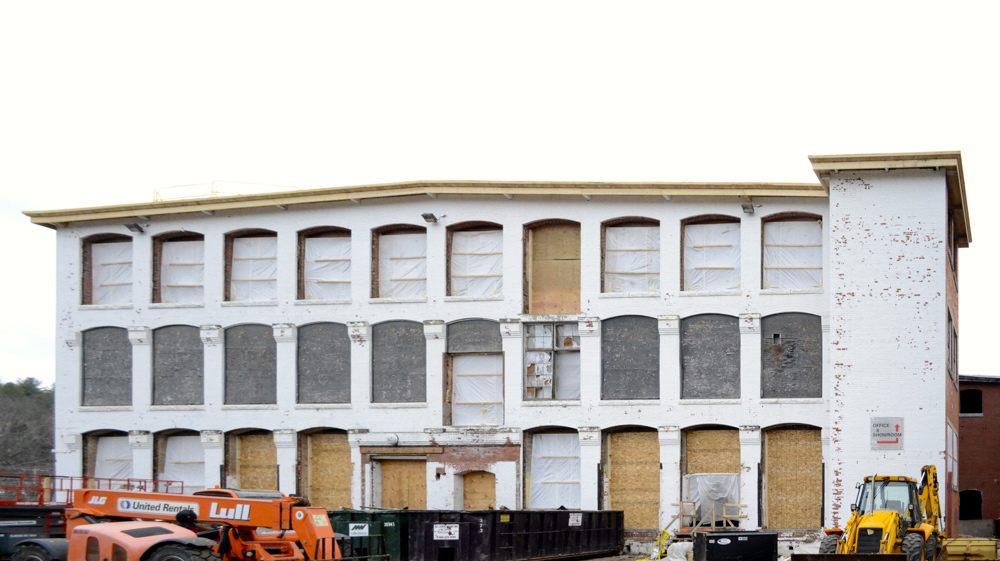 Nockege River Mill building - Fitchburg, MA
Fitchburg, MA Colantonio Inc. is deep into its gut renovation of the historic Nockege River Mill building, near downtown, for the 96-unit Fitchburg Yarn Lofts.
The 100-year-old former home of the Fitchburg Yarn Company sits on 7.5 acres on the banks of the Nashua River. Its 182,500 s/f of space span three floors and will feature 57 market rate units, 39 affordable units, community space and many exposed brick walls. The building boasts more than 280 8’ x 10’ windows to provide each unit with expansive views and plenty of natural light.
Given that the original design allowed river water to flow through the mill’s partial earthen basement, Colantonio’s crew must remove the first floor and rebuild it with concrete slab at least two feet above the 100-year floodplain. Other restoration work includes repointing and repairing the exterior brick envelope and chimneystack and structural reinforcement to the roof.
“The progress we’re making on this project demonstrates exactly why Colantonio was the best choice for construction manager,” said Adam Stein, senior vice president for owner WinnDevelopment. “Transforming this landmark building to make it suitable for quality housing is not an easy task, and we are staying on time and on budget.”
According to historical reports, the original mill was built in just five months at a cost of $600,000 using a unique wood and steel I-beam configuration. Building materials included two million bricks, one million board feet of lumber, 500 tons of steel, 7,000 tons of granite, 18 freight car loads of cement and 2,000 barrels of lime.
The project, which was designed by The Architectural Team, is scheduled for completion in May 2017.
Holliston-based Colantonio Inc. provides award-winning construction management and general contracting services in the academic, affordable housing, commercial, municipal and historical restoration markets.
MORE FROM Owners Developers & Managers
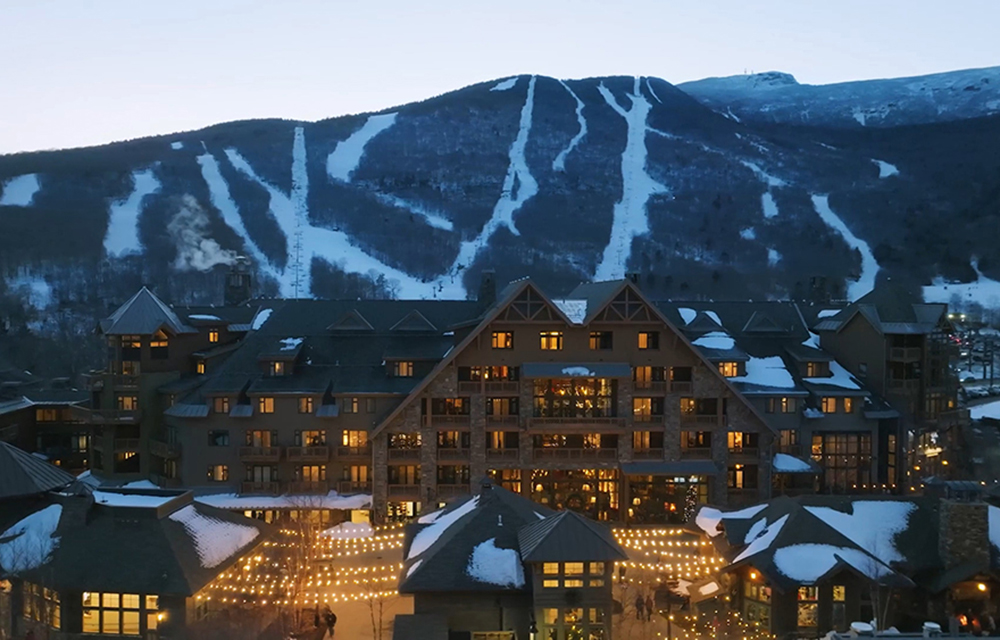
The Lodge at Spruce Peak recognized with Condé Nast Traveler’s 2026 Readers’ Choice Award - #3 in New England
Stowe, VT Condé Nast Traveler revealed the results of its annual Readers’ Choice Awards, with The Lodge at Spruce Peak recognized as the #3 U.S. Resort in New England.




Quick Hits


Columns and Thought Leadership

The legislature has spoken: New Hampshire doubles down on housing in commercial zones - by John Sokul
Last year, the New Hampshire Legislature enacted HB 631, a landmark housing measure requiring municipalities to permit multifamily housing in commercially zoned districts. The law generated

IREM president’s message: Our new reality - Staying ahead of supply chain delays - by Yoany Vargas
Supply chain delays are slowing construction, ratcheting up operating costs, and extending turnover timelines across Greater Boston, directly reducing revenue and increasing the workload for multifamily and

Retail infill strategy to activate Pawtucket’s Conant Thread District - by Gaetan Kashala
Until recently, the Conant Thread District consisted of approximately 150 acres of underutilized industrial land spanning Pawtucket and Central Falls. Today, the area is one of the most significant

Revitalized Town Centers: Retail??? - by Carol Todreas
It is now widely accepted that customers want to shop in person at physical stores. Brands know that they do better business in a physical store than just on line so they want to open stores. Demand for retail space by digital merchants, local entrepreneurs, and newly developed national chains