


 (1).png)
News:
Owners Developers & Managers
Posted: June 30, 2009
EMSEAL develops single-unit fire-rated expansion joint system - Emshield WFR2
EMSEAL Joint Systems Ltd. has developed another breakthrough, UL-certified fire-safety expansion joint system - this time for walls. The Emshield WFR2 release comes on the heels of the company's introduction of Emshield DFR2 for decks last month.
Expansion joints bisect buildings to allow for structural movement caused by thermal, wind, seismic and other changes. Emshield WFR2 - which stands for wall, fire-rated, 2-hours - performs all the functions necessary to accommodate these movements in a single installation, reducing the environmental impact while meeting fire-safety and building codes.
"Using less materials, conserving energy and improving safety are cornerstones of LEED and green building-based design philosophy," said EMSEAL president and CEO Lester Hensley. "Before, expansion joints required separate products to seal, bridge, and fire-rate joints. That meant separate material and installation costs. Emshield WFR2 and DFR2 accomplish all of these functions with a single installation - that's a huge plus for the building industry."
Company officials say having one product that accomplishes what several did before will save architects, engineers and general contractors the expense, time and effort associated with installing a variety of products to create a fire-rated system.
The new hybrid wall system is designed for buildings, stadiums, arenas, hospitals, schools, universities, airports, parking decks, hotels and other structures where containment of fire at structural expansion joints is required. Being UL 2079 certified means that it has been tested and passed the rigorous underwriters laboratories expansion joint sealant cycling and fire testing.
EMSEAL, established in 1959 and located in the U.S. since 1979, has provided sealant systems and technical support to many prominent structures including stadiums, arenas, hospitals, parking structures, airports, malls and other commercial and public sector developments.
EMSEAL products are used worldwide, including in the new Yankee Stadium and Citi Field in New York, Westfield Malls, American Airlines Arena in Miami, The Empire State Building, Lincoln Center, The CN Tower Toronto, Watergate Hotel, Greensboro, N.C. Coliseum, Houston Intercontinental Airport, the Pentagon, Nordstrom's Stores, FedEx Field Washington Redskins Stadium, Citizens Bank Philadelphia Phillies Ballpark, California Polytechnic and the Atlantic Station in Atlanta.
EMSEAL operates out of two large factories - its recently relocated headquarters in Westborough, and its manufacturing plant in Toronto, Canada.
MORE FROM Owners Developers & Managers
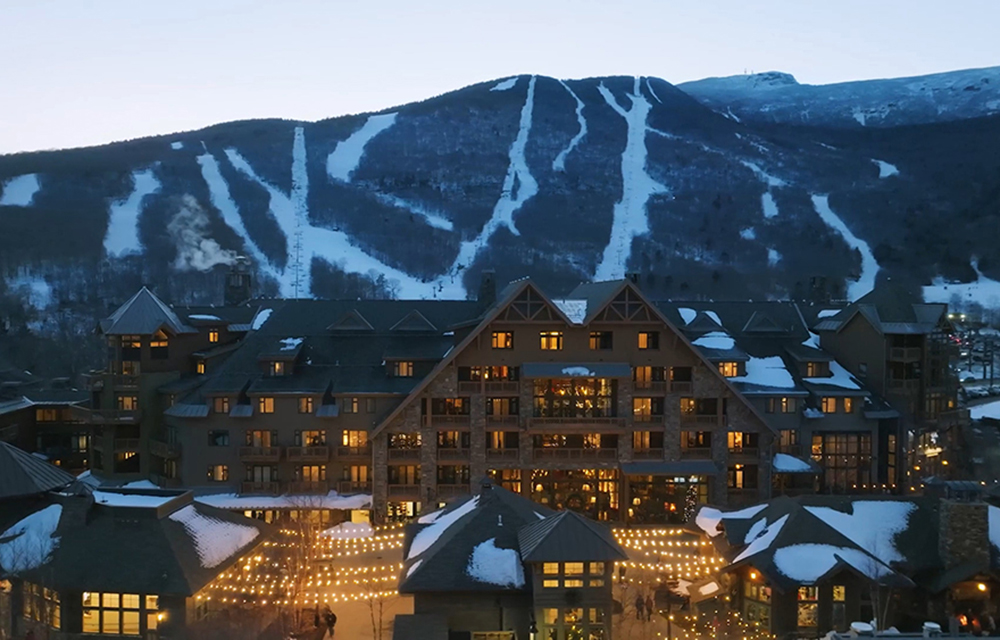
The Lodge at Spruce Peak recognized with Condé Nast Traveler’s 2026 Readers’ Choice Award - #3 in New England
Stowe, VT Condé Nast Traveler revealed the results of its annual Readers’ Choice Awards, with The Lodge at Spruce Peak recognized as the #3 U.S. Resort in New England.






Columns and Thought Leadership

Retail infill strategy to activate Pawtucket’s Conant Thread District - by Gaetan Kashala
Until recently, the Conant Thread District consisted of approximately 150 acres of underutilized industrial land spanning Pawtucket and Central Falls. Today, the area is one of the most significant

Revitalized Town Centers: Retail??? - by Carol Todreas
It is now widely accepted that customers want to shop in person at physical stores. Brands know that they do better business in a physical store than just on line so they want to open stores. Demand for retail space by digital merchants, local entrepreneurs, and newly developed national chains

IREM president’s message: Our new reality - Staying ahead of supply chain delays - by Yoany Vargas
Supply chain delays are slowing construction, ratcheting up operating costs, and extending turnover timelines across Greater Boston, directly reducing revenue and increasing the workload for multifamily and

The legislature has spoken: New Hampshire doubles down on housing in commercial zones - by John Sokul
Last year, the New Hampshire Legislature enacted HB 631, a landmark housing measure requiring municipalities to permit multifamily housing in commercially zoned districts. The law generated