

 (1).png)

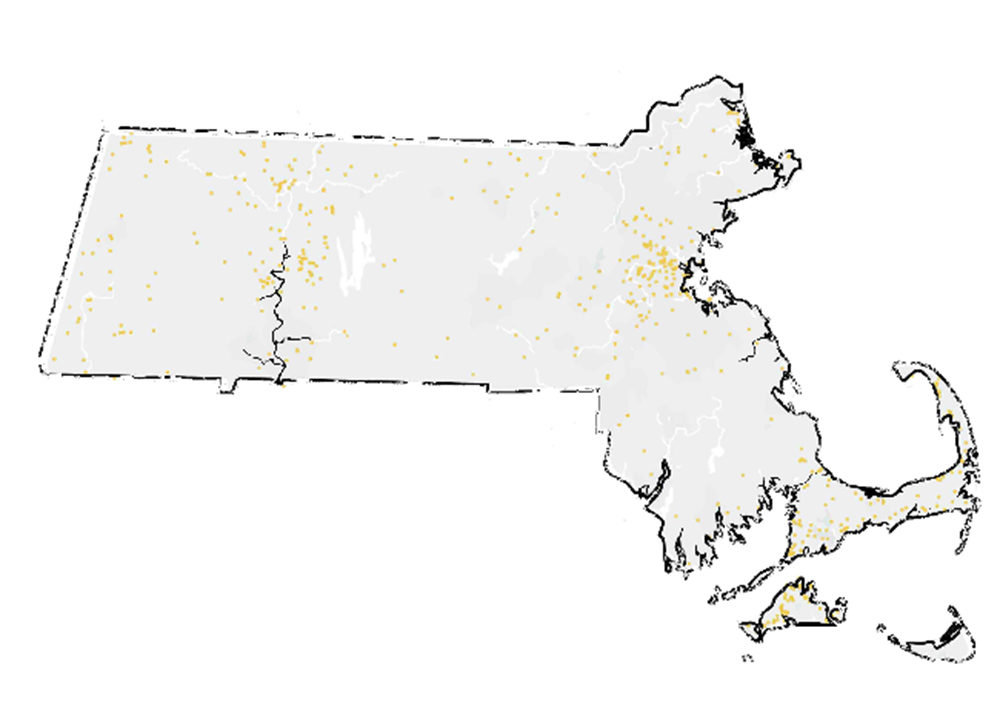
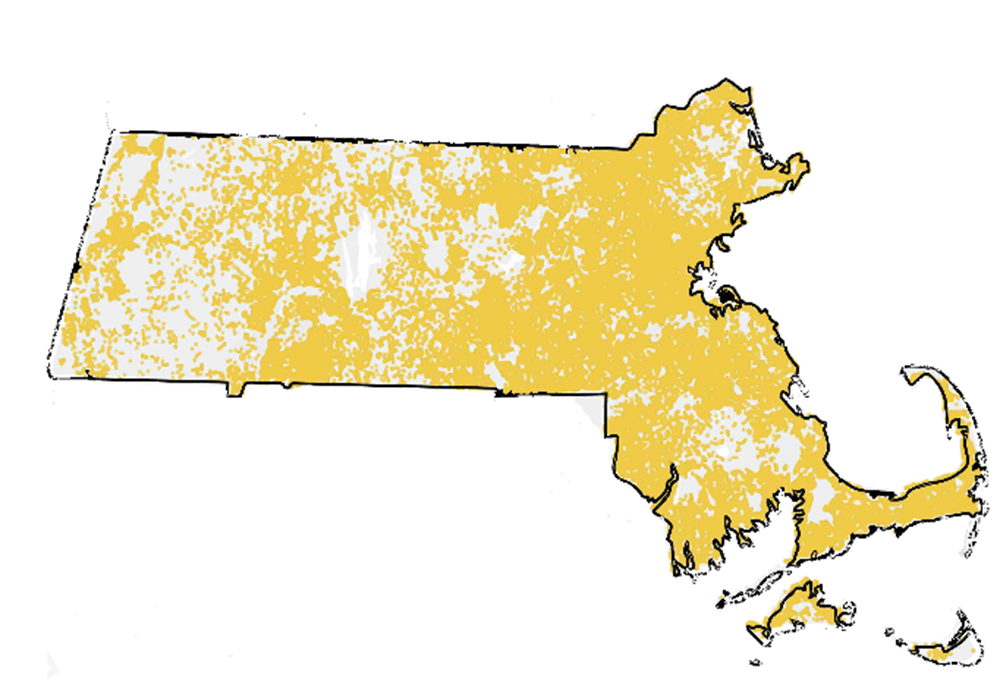
There has been an exponential increase in the installation of solar photovoltaic (PV) systems across the U.S. over the past decade, and Massachusetts is no exception. In 2006, there were several hundred solar systems installed, while today there are almost 100,000 systems across the state, and a growing number of Massachusetts communities have solar installed on over 15% of their residences.
Because of this dramatic uptick in solar adoption, it is increasingly common for real estate brokers and appraisers to be involved in transactions of homes and businesses with solar, with a growing expectation that they be able to value and market the property appropriately. To help meet this expectation, the Massachusetts Clean Energy Center (MassCEC), a state economic development agency focused on growing the clean energy economy, has sponsored two solar training series to support growing demand from real estate agents and appraisers. The first is called “Selling the Sun: Listing, Marketing and Establishing Value for Solar PV Homes,” and is a 2-hour online training for real estate agents. The second training, “Residential and Commercial Valuation of Solar” is a 14-hour training for real estate appraisers available both online and as part of an in-person training being offered in Massachusetts on November 4 and 5 at a rate subsidized by the MassCEC. Both courses offer continuing education credits, and the residential and commercial valuation of solar training is required in order to complete the Appraisal Institute’s Valuation of Sustainable Buildings Professional Development Program.
A number of studies in the United States, including Lawrence Berkley National Lab’s Selling into the Sun and an Analysis of Solar Home Paired Sales reports have found that installing a residential-scale solar system can add value to the home if the homeowner owns the system. Online marketplaces like Zillow have also reported that homes with solar on average sold for 4% more than homes without solar. Separately, updated federal guidelines from Freddie Mac and FHA HUD now require appraisers to appropriately value solar on residential properties if the loan is conforming and the system is owned by the homeowner. Although there are an increasing number of studies, guidelines and valuation tools (such as PV Value) that are available to appraisers and real estate agents, participating in a training reinforces a broker’s ability to leverage the value of solar technology on residential and commercial properties.
With the number of solar installations continuing to grow, sellers, buyers and lenders are actively seeking real estate appraisers and agents who are qualified to appraise and sell residential and commercial buildings with installed solar. By taking time to become knowledgeable about solar technology and how it intersects with residential and commercial properties, real estate appraisers and agents can both set themselves apart from others in the industry and put their clients in a position to maximize the value of their property.
Elizabeth Youngblood is the senior program manager, commonwealth solar programs at Massachusetts Clean Energy Center, Boston, Mass.




 (1).png)





Supply chain delays are slowing construction, ratcheting up operating costs, and extending turnover timelines across Greater Boston, directly reducing revenue and increasing the workload for multifamily and