


 (1).png)
News:
Owners Developers & Managers
Posted: December 1, 2010
Know your commercial building code, it will lighten your load!
The updated Commonwealth of Massachusetts commercial building code 8th Edition, officially in effect as of February 6th, 2011, has the potential to considerably impact project schedules and budgets. The updated code adds some requirements and shifts the ownership more to the design side. The combination of these factors is adding time to obtaining occupancy permits.
Elaine Construction's team recently held a "Lessons Learned" to apply thier experience with the city of Boston, which is, in effect, applying the updated code now to future projects.
The updated code requires that the MEP/FP engineer and architect of record review all closeout information prior to signing the necessary affidavits for permit sign off and certificate of occupancy. Previously, this information was not required prior to issuing affidavits. This information includes:
*HVAC test & balance reports;
*Fire alarm system record of completion by subcontractor;
*Mechanical & electrical subcontractor certificates of completion;
*NFPA 13 subcontractor certification;
*Emergency lighting battery calculations; and
*Cal 133 test reports for both new and reused furniture (in Boston).
This requirement could have a significant impact on your projects, especially those with tight construction schedules and occupancy deadlines. To obtain the occupancy permit, the engineer and architect of record typically provide final affidavits to the contractor to then submit to municipal authorities. Under the updated code, the engineer cannot provide these affidavits and submittals until after the general contractor has performed close out work and provided the information above to the engineer. This means that a period of 1+ weeks may be required, from what appears to be "substantial completion" until occupancy, to allow for the required testing, information gathering, certification and coordination between engineer, contractor and testing agencies. This process is currently in effect in Boston and recently resulted in the delay of tenant occupancy by several days on several projects in the Boston area.
In addition, documentation for reused upholstered furniture to meet CAL - 133 flame testing is now being enforced with more vigor than ever before. Inspectors have the right to return to the space after occupancy and now require documentation for all upholstered furniture, whether it is new or not.
Educating your team about this code early on, providing consistent coordination and scheduling are the best ways to ensure that there are no delays or unwelcomed surprises during the final hours before move-in.
Elaine will continue to keep you informed and look for ways to help you reach your goals as they learn more about the application of this updated code.
MORE FROM Owners Developers & Managers
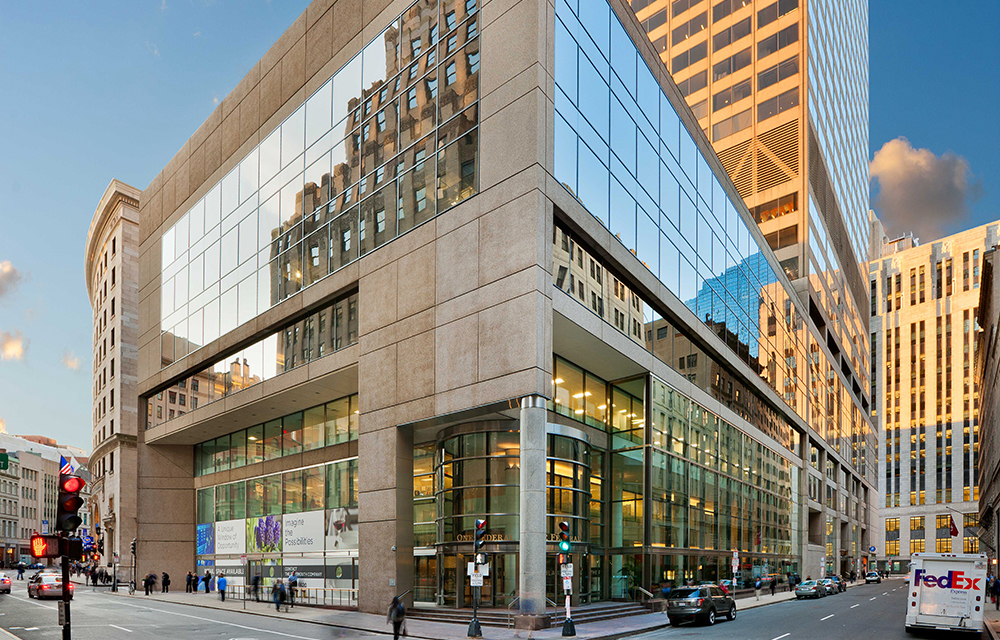
Rubin Rudman to establish headquarters at Tishman Speyer’s One Federal St.
Boston, MA Tishman Speyer has secured a new headquarters lease with Rubin Rudman at One Federal St., its 38-story, 1.1 million s/f tower in the Financial District. Under a 15-year lease, Rubin Rudman’s new headquarters will span 57,844 s/f across One Federal’s entire 23rd and 24th floors and a portion of the 25th floor.





Quick Hits


Columns and Thought Leadership

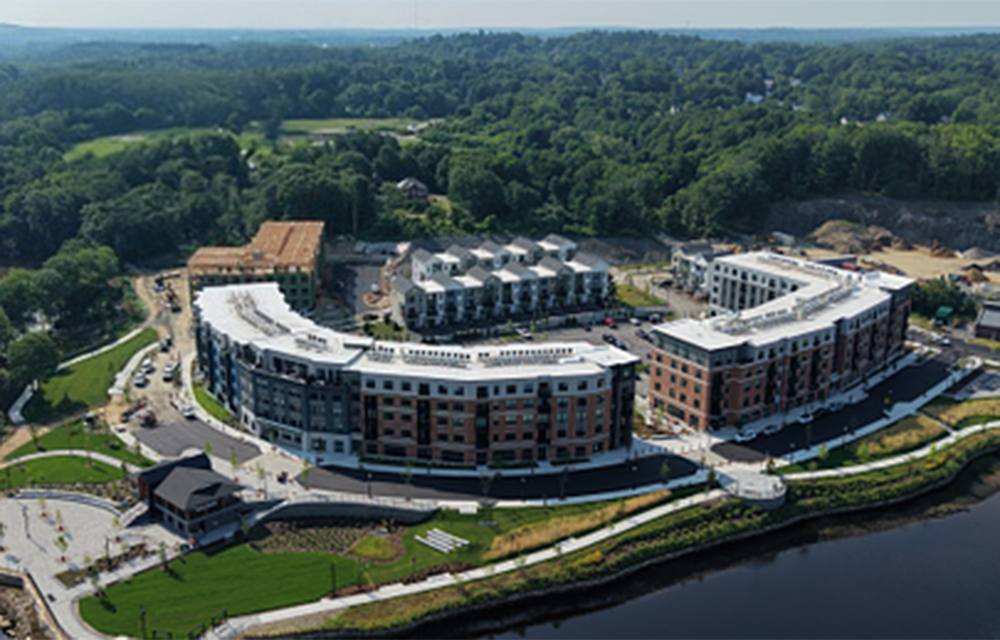
Retail infill strategy to activate Pawtucket’s Conant Thread District - by Gaetan Kashala
Until recently, the Conant Thread District consisted of approximately 150 acres of underutilized industrial land spanning Pawtucket and Central Falls. Today, the area is one of the most significant

The legislature has spoken: New Hampshire doubles down on housing in commercial zones - by John Sokul
Last year, the New Hampshire Legislature enacted HB 631, a landmark housing measure requiring municipalities to permit multifamily housing in commercially zoned districts. The law generated

Revitalized Town Centers: Retail??? - by Carol Todreas
It is now widely accepted that customers want to shop in person at physical stores. Brands know that they do better business in a physical store than just on line so they want to open stores. Demand for retail space by digital merchants, local entrepreneurs, and newly developed national chains

IREM president’s message: Our new reality - Staying ahead of supply chain delays - by Yoany Vargas
Supply chain delays are slowing construction, ratcheting up operating costs, and extending turnover timelines across Greater Boston, directly reducing revenue and increasing the workload for multifamily and