(1).png)
News:
Owners Developers & Managers
Posted: May 27, 2016
Legal regulations and management issues that vacation condominium owners may face - by Saul Feldman
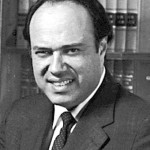 Saul Feldman, Feldman & Feldman, P.C.
During summer, we think of vacations. Often this means a resort or a second home condominium. There are many concerns in buying a vacation condominium. The usual concerns involve pools, parking, and pets. Noise is also an issue, given the close proximity of the units. Also, transient occupants may not remove their trash when they leave.
There are other issues as well, such as the right to lease your unit. Many units in a vacation condominium are often owned by absentee landlords and rented out on a weekly or monthly basis. The rules and regulations for the condominium must be drafted to take this into account. Tensions often exist between renters and owners, and between couples with children and couples without children.
Often vacation condominiums contain mixed uses. There can be tensions between, for example, homeowners and an on site restaurant involving odors, noise, and allocation of expenses. There can also be tensions in a golfing condominium, between the owner of the golf course and the residential owners, where the ownership of the golf course is separate from the ownership of the residences. These tensions include noise during golf tournaments and allocation of expenses between the owner of the golf course and all of the owners of residential units.
Where a vacation condominium is both commercial and residential, in an attempt to reduce the tensions between commercial and residential owners, often a rules committee is created by the owners. One of the functions of the rules committee can be to make rules and regulations regarding signage. This is necessary to prevent the owner of the restaurant unit from installing signs that are bothersome to the owners in the adjacent cottages.
Given the popularity of golf, in the 1980s and 1990s many condominiums were created consisting of residential units and a golf course as the main amenity.
Another common vacation condominium would be in a beach community. In a beach community, I should note that vacation condominiums were a subject of a case involving a “cottage colony” in the Town of Dennis on Cape Cod. The case is Goldman v. Dennis, 375 Mass. 197 (1978). The Goldman case upheld a town by-law that regulated the conversion of certain types of buildings to the condominium form of ownership.
I have never liked the Goldman case. A condominium is a form of ownership. It is not a form of land use.
The court in the Goldman case said that there are some situations where a municipality may regulate a condominium conversion if the conversion will intensify the use of the property.
The issue of a vacation condominium is complicated by a condominium statute (Chapter 183A) that provides little guidance to the owners of vacation or seasonal condominiums.
I should mention that there are boat dock condominiums, often in vacation areas such as Cape Cod. Also, there are hotel condominiums which consist of one unit being a hotel and the remaining units being residential vacation units. The condominium form of ownership has been used to create some interesting vacation condominium projects.
Massachusetts does have a separate statute covering timeshares, but this statute does not apply to a vacation condominium unless it has been made into a timeshare pursuant to the timeshare statute (Chapter 183B).
One difference between a vacation condominium and other condominiums is that the board of trustees meets less often, and, when they do meet, they often meet by a telephone conference call. The condominium documents for a vacation condominium must allow for meeting by a telephone conference call, as the Trustees may spend most of the year far away from their vacation condominium.
Finally, it is essential that the condominium be managed by a management company that has experience with vacation condominiums. There are rental agreements with residents, move in and move out issues, and many other matters that require a management company with expertise in managing vacation condominiums.
A management company may also have to deal with workouts involving a troubled or failed vacation condominium development, run-away expenses, bank loans to the vacation condominium association and litigation against unit owners who are often out of state.
In any event, your resort or second home condominium may have its share of legal issues.
Saul Feldman is a real estate attorney with Feldman Law Office, Boston.
MORE FROM Owners Developers & Managers

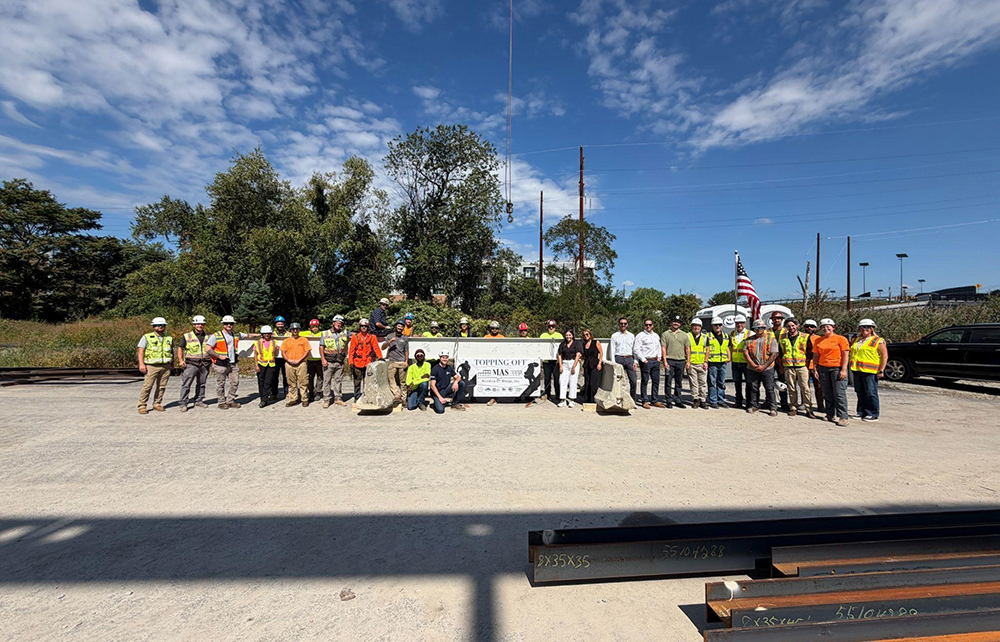
Greystar celebrates opening of two new residence halls at Merrimack College
North Andover, MA Greystar and Merrimack College celebrated the opening of two new residence halls, Shawsheen and Essex. The two-building, modern student housing development is located at the intersection of Rte. 114 and Andover St. Designed





 (1).png)

Columns and Thought Leadership

IREM president’s message: Our new reality - Staying ahead of supply chain delays - by Yoany Vargas
Supply chain delays are slowing construction, ratcheting up operating costs, and extending turnover timelines across Greater Boston, directly reducing revenue and increasing the workload for multifamily and

Revitalized Town Centers: Retail??? - by Carol Todreas
It is now widely accepted that customers want to shop in person at physical stores. Brands know that they do better business in a physical store than just on line so they want to open stores. Demand for retail space by digital merchants, local entrepreneurs, and newly developed national chains

The legislature has spoken: New Hampshire doubles down on housing in commercial zones - by John Sokul
Last year, the New Hampshire Legislature enacted HB 631, a landmark housing measure requiring municipalities to permit multifamily housing in commercially zoned districts. The law generated

Retail infill strategy to activate Pawtucket’s Conant Thread District - by Gaetan Kashala
Until recently, the Conant Thread District consisted of approximately 150 acres of underutilized industrial land spanning Pawtucket and Central Falls. Today, the area is one of the most significant
September Promotion