(1).png)
News:
Owners Developers & Managers
Posted: January 20, 2011
Lender liability
The Massachusetts Condominium Statute (Massachusetts General Laws, Chapter 183A) does not cover lender liability in an acceptable manner. Lender liability in the event of a default by a developer is covered only in Section 22, which states:
"In the event of a foreclosure upon a condominium development, the lender taking over the project shall succeed to any obligations the developer has with the unit owners and to the tenants, except that the developers shall remain liable for any misrepresentations already made and for warranties on work prior to the transfer."
Our courts have held that Section 22 applies to deeds in lieu of foreclosure as well as to foreclosures.
Section 22 leaves many questions unanswered. For example, it is not clear that Section 22 applies to short sales, i.e., where the bank accepts less than it is owed. Section 22 is a consumer protection statute, as stated in a 1996 case, Maloney v. Boston Five Cents Savings Bank (422 Mass. 431). Therefore, perhaps it applies to short sales, creating lender liability where the bank accepts less than it is owed. This would make the lender liable to finish roads and amenities, such as a clubhouse that the developer was obligated to complete.
However, this is merely my opinion. We need a more detailed statute which deals with lender liability.
Saul Feldman is a real estate attorney with Feldman & Feldman, P.C., Boston, Mass.
MORE FROM Owners Developers & Managers
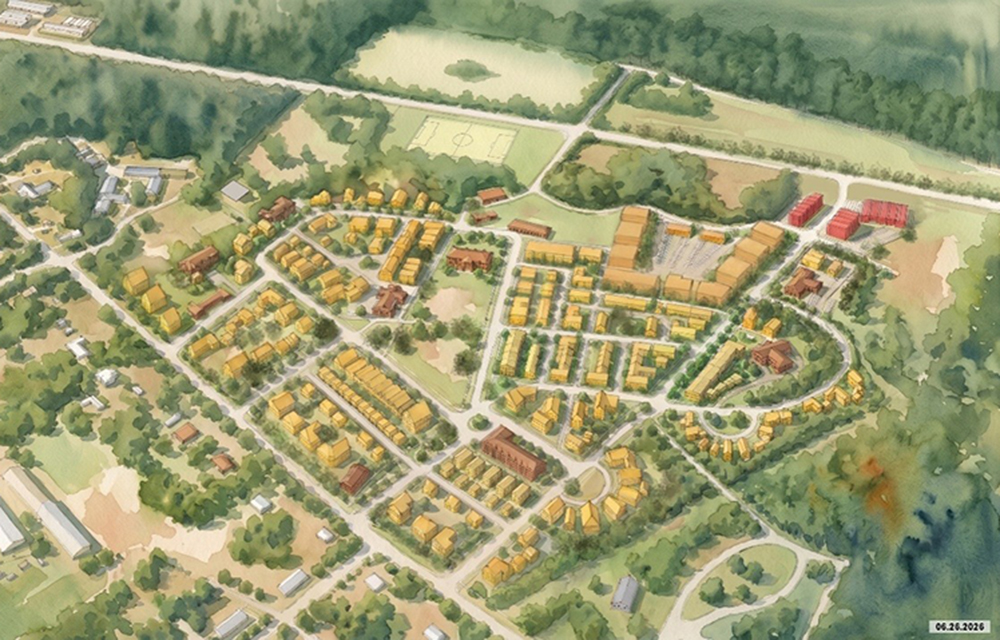
Healey-Driscoll Administration seeks developer to transform former 72-acre school into 288+ home neighborhood
Lancaster, MA According to the Healey-Driscoll Administration, the Division of Capital Asset Management and Maintenance (DCAMM) has released a Request for Proposals seeking a developer to transform the 72-acre former Lancaster Industrial School for Girls property into a new, walkable neighborhood with at least 288 homes.


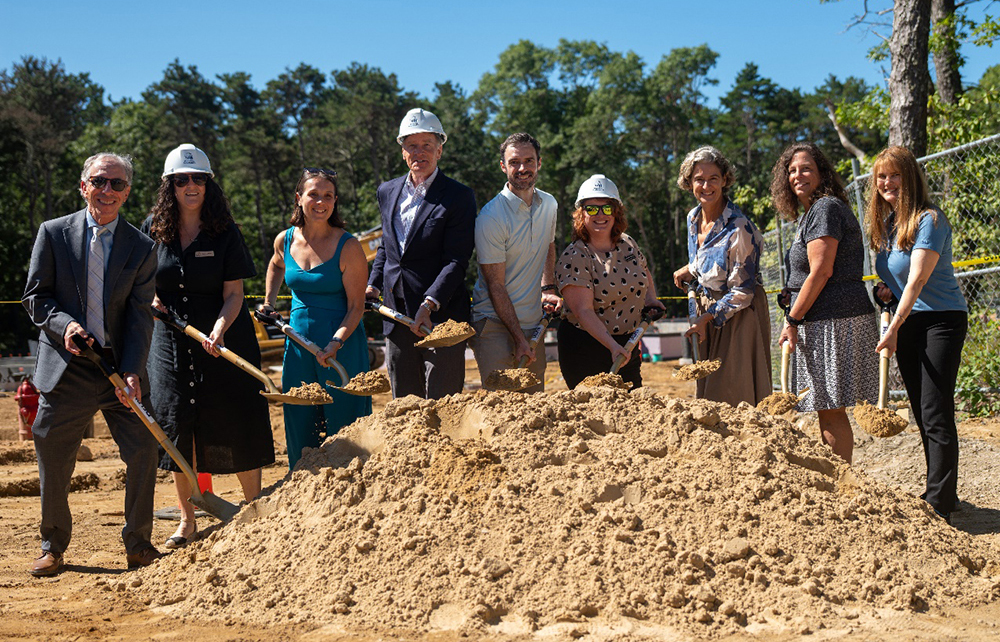




Quick Hits


Columns and Thought Leadership

Revitalized Town Centers: Retail??? - by Carol Todreas
It is now widely accepted that customers want to shop in person at physical stores. Brands know that they do better business in a physical store than just on line so they want to open stores. Demand for retail space by digital merchants, local entrepreneurs, and newly developed national chains

IREM president’s message: Our new reality - Staying ahead of supply chain delays - by Yoany Vargas
Supply chain delays are slowing construction, ratcheting up operating costs, and extending turnover timelines across Greater Boston, directly reducing revenue and increasing the workload for multifamily and

Retail infill strategy to activate Pawtucket’s Conant Thread District - by Gaetan Kashala
Until recently, the Conant Thread District consisted of approximately 150 acres of underutilized industrial land spanning Pawtucket and Central Falls. Today, the area is one of the most significant

The legislature has spoken: New Hampshire doubles down on housing in commercial zones - by John Sokul
Last year, the New Hampshire Legislature enacted HB 631, a landmark housing measure requiring municipalities to permit multifamily housing in commercially zoned districts. The law generated
September Promotion