


 (1).png)
News:
Owners Developers & Managers
Posted: February 27, 2014
More colorful language can help your marketing
The Esperanto language was created in the 1870s to foster harmony among people from different countries. It never caught on.
Another language created to help with international communication is Yiddish - mixing German, Hebrew, Russian and Romance languages -written in Hebrew letters. Dating back 1,000 years, Jewish merchants used it in business across Europe. Millions of Yiddish-speakers died in WW II.
Not many people today can speak Yiddish, but millions use Yiddish words daily-even you, often unaware.
Yiddish words crept into English because they're often more colorful alternatives to everyday words rooted in Anglo-Saxon or French. One Yiddish word can replace several English words, painting a punchier picture. ("We have a problem with our software" vs. "I found a glitch.")
In the 1970s, a breadmaker's ads said, "You don't have to be Jewish to love Levy's Jewish Rye." (That slogan writer died in January at age 91. She wasn't Jewish.) You don't have to be Jewish to use Yiddish words.
Here are 18 of my favorite Yiddish words. Used wisely, they'll make your writing and conversations more colorful:
* Chutzpah: extreme arrogance or nerve (not a compliment);
* Copacetic: all is in order (in Hebrew it's 'kol b'seder');
* Glitch: problem/error;
* Kibbitz: giving unwanted advice (accent on first syllable; don't confuse with a village in Israel-a kibbutz, emphasis on 2nd syllable);
* Klutz: awkward person;
* Kvetch: chronic complainer;
* Maven: expert (often used sarcastically);
* Mazel tov: "Congratulations" or "It's about time" (sarcastic);
* Mensch: honorable, decent person;
* Nosh: light snack (noun/verb: "Have a nosh" or "Stop noshing");
* Shlep: carry something;
* Shlemiel: clumsy person;
* Shmaltzy: sentimental, corny;
* Shmooze: engage in small talk;
* Shmuck: fool/jerk;
* Spiel: long sales pitch;
* Shtick: routine or gimmick; and
* Yente: busybody or gossip (pronounced yen-teh).
(Homework: Use a few in conversations. You'll kvell - be proud of yourself.)
The Yiddish Book Center in Amherst, Mass. has over one million volumes, many of which have been translated into English. Maybe some forgotten Yiddish words will find their way into English! Need new ways to make your marketing more colorful? Talk to me!
Stanley Hurwitz is president/founder of Creative Communications, Stoughton, Mass.
MORE FROM Owners Developers & Managers
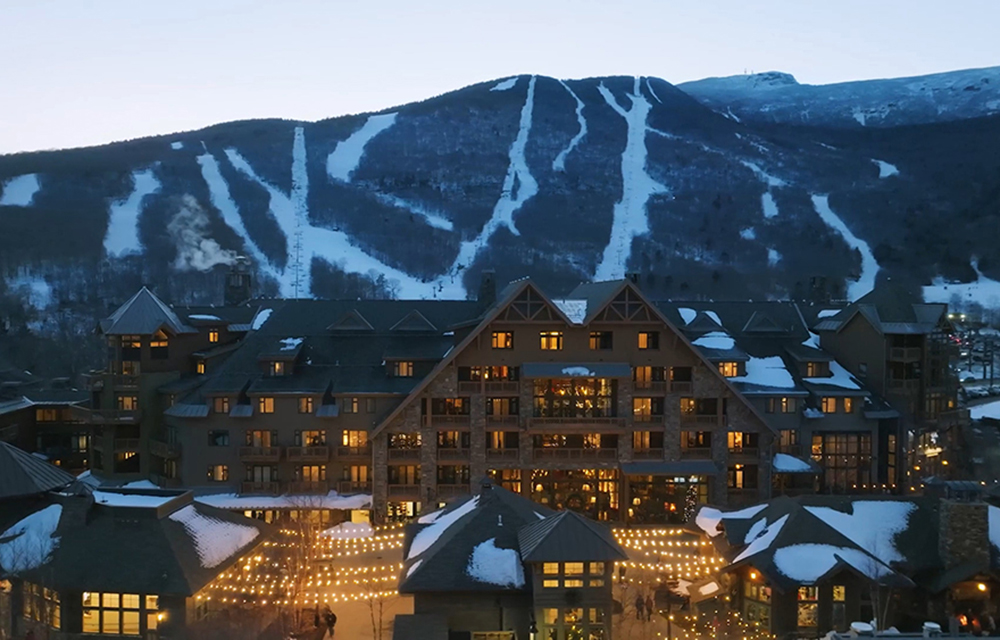
The Lodge at Spruce Peak recognized with Condé Nast Traveler’s 2026 Readers’ Choice Award - #3 in New England
Stowe, VT Condé Nast Traveler revealed the results of its annual Readers’ Choice Awards, with The Lodge at Spruce Peak recognized as the #3 U.S. Resort in New England.
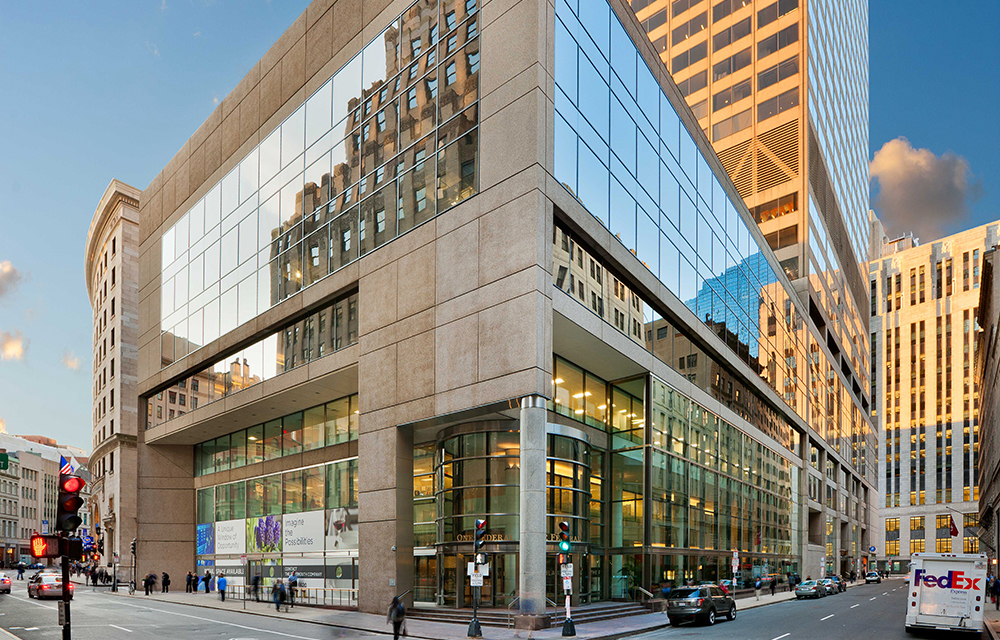





Quick Hits


Columns and Thought Leadership
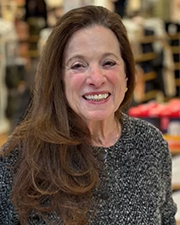
Revitalized Town Centers: Retail??? - by Carol Todreas
It is now widely accepted that customers want to shop in person at physical stores. Brands know that they do better business in a physical store than just on line so they want to open stores. Demand for retail space by digital merchants, local entrepreneurs, and newly developed national chains

The legislature has spoken: New Hampshire doubles down on housing in commercial zones - by John Sokul
Last year, the New Hampshire Legislature enacted HB 631, a landmark housing measure requiring municipalities to permit multifamily housing in commercially zoned districts. The law generated

Retail infill strategy to activate Pawtucket’s Conant Thread District - by Gaetan Kashala
Until recently, the Conant Thread District consisted of approximately 150 acres of underutilized industrial land spanning Pawtucket and Central Falls. Today, the area is one of the most significant
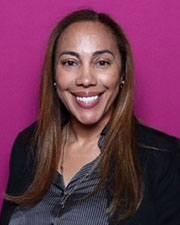
IREM president’s message: Our new reality - Staying ahead of supply chain delays - by Yoany Vargas
Supply chain delays are slowing construction, ratcheting up operating costs, and extending turnover timelines across Greater Boston, directly reducing revenue and increasing the workload for multifamily and