



News:
Spotlight Content
Posted: February 23, 2018
Rhode Island industrial market - by Peter Scotti

Peter M. Scotti & Assoc.
With the exception of the Central and West Bay submarket cluster, industrial rental rates have continued to increase from 2016 and vacancy rates have decreased resulting in investor optimism about future rental increases. This optimism manifests in the market as downward pressure on capitalization rates. While market conditions are improving, demand has not reached the point to spur new development. Large scale job growth has not occurred in the state to warrant the construction of new industrial product and in most cases tenants are unwilling to sign long term leases that are attractive to developers and investors. Numerous knowledgeable market participants stated that capitalization rates average 9% and move up or down dependent on the quality of the tenant which is supported by our survey.
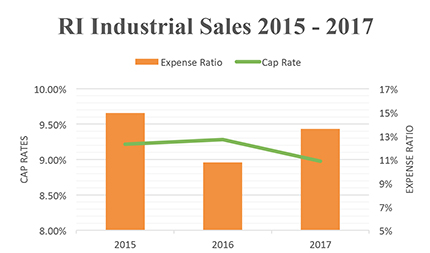
As one knowledgeable industrial broker said “Nothing in Rhode Island swings very much and conditions have remained largely the same in the industrial market for the past three years with some general improvements overall”. With no significant amount of new construction planned and vacancy rates projected to continue to creep downwards, rental rates are expected to continue to rise and capitalization rates are projected to trend downward going into 2018.
Peter Scotti, MAI is president of Peter M. Scotti & Associates, Providence, R.I.
Tags:
Spotlight Content
MORE FROM Spotlight Content

New England Real Estate Journal's 2026 Women in Commercial Real Estate Spotlight
NEREJ's Women in CRE Spotlight celebrates the women making an impact across commercial real estate and the companies that recognize, support and champion them.








.png)
Columns and Thought Leadership

Shallow-bay wins on 495/128: A renewal-driven market with a thin pipeline - by Nate Nickerson
The Boston industrial market entered mid-2025 in a bifurcated state. Large-block vacancy remains elevated, while shallow-bay along the 495/128 corridor continues to prove resilient. Fieldstone’s focus on this geography positions us squarely in the middle of a renewal-driven, supply-constrained

How do we manage our businesses in a climate of uncertainty? - by David O'Sullivan
These are uncertain times for the home building industry. We have the threat of tariffs mixed with high interest rates and lenders nervous about the market. Every professional, whether builder, broker, or architect, asks themselves, how do we manage our business in today’s climate? We all strive not just to succeed, but

Limited supply fuels landlord‑friendly conditions in Rhode Island’s industrial market - by Julie Freshman and George Paskalis
As we enter the spring of 2026, the Rhode Island industrial real estate market stands on stable footing, following several years of resilience fueled by constrained supply, steady demand, and dynamic economic conditions.

As legacy names recalibrate, new entrants are moving in with fresh capital, new technologies, and business models tailored to today’s supply-chain needs - by Michael Harrington
Southern New Hampshire’s industrial market has always punched above its weight. For decades, the region has attracted a mix of advanced manufacturing, beverage and food producers, logistics operators, and specialty
