


 (1).png)
News:
Owners Developers & Managers
Posted: June 2, 2023
RISE and Matarazzo Family close on financing for 4054 Mystic Valley Parkway development
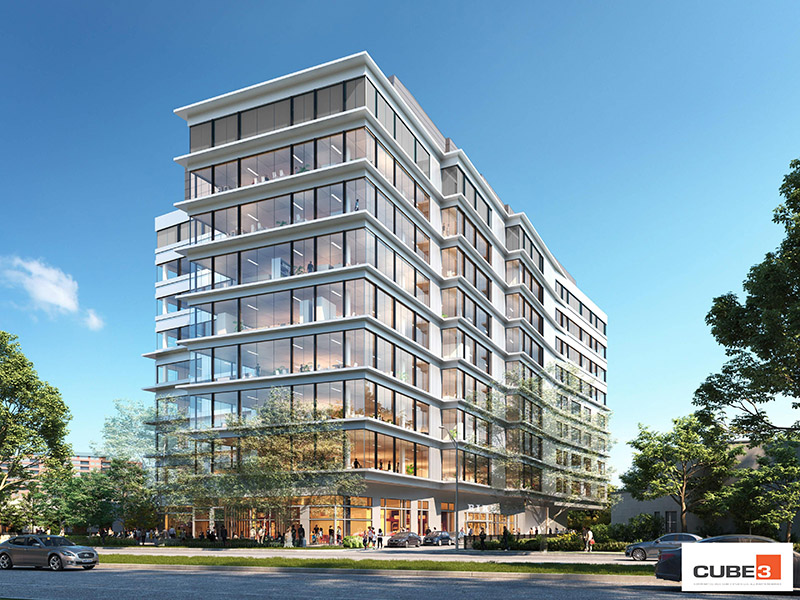
Medford, MA RISE, a Boston-based minority-owned development and construction company, and the Matarazzo Family, a long-time Medford property owner, have closed on financing for an eight-story laboratory development at 4054 Mystic Valley Pkwy. The project will transform the now vacant site into a laboratory building with ground retail, with an enhanced public realm along the Pkwy.
The city’s administration has made it a priority to foster the life sciences industry locally, and it is the RISE team’s goal to help fulfill that mission.
The development will include 311,535 s/f of lab and research space, with additional ground floor retail along Mystic Valley Pkwy. In addition, the project will include a below-ground parking garage, dedicated indoor bike storage, and a landscaped public plaza to improve and enliven the pedestrian experience.
“Thanks to the work of our economic development team, Medford’s quickly becoming a hub for innovation with several new cutting-edge technology companies setting up shop here. With the addition of the RISE development, we’re transforming Mystic Valley Pkwy. into a commercial development destination and creating meaningful career opportunities for our residents.”
RISE has engaged experienced architecture firms Cube3 and Jacobs to design the building and ensure that it meets the requirements of the life science industry. The project is expected to cost approximately $200 million to build and could generate upwards of 500 new permanent jobs and over 600 construction jobs.
“Despite market shifts – there will always be a demand for industries that support the therapies and medical advances in our region,” said Herby Duverné, co-founder of RISE. “We are planning for long-term solutions, and our cost model has allowed us to develop a project that works, which our partners recognize.”
The debt for the transaction was arranged by Newmark’s Capital Markets team led by Dave Douvadjian Sr. and Harrison Zucco.
MORE FROM Owners Developers & Managers
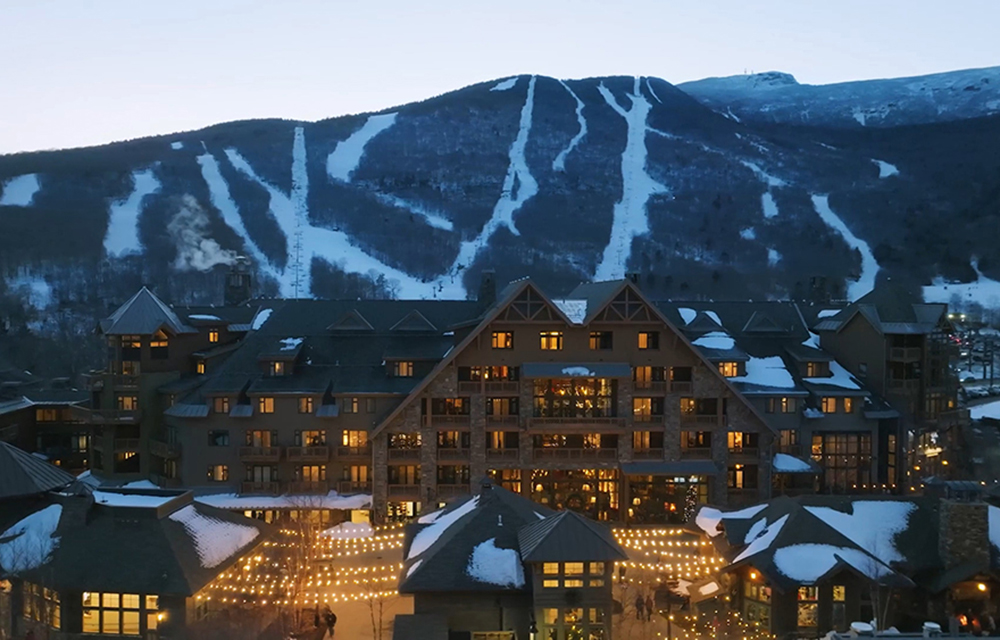
The Lodge at Spruce Peak recognized with Condé Nast Traveler’s 2026 Readers’ Choice Award - #3 in New England
Stowe, VT Condé Nast Traveler revealed the results of its annual Readers’ Choice Awards, with The Lodge at Spruce Peak recognized as the #3 U.S. Resort in New England.






Columns and Thought Leadership

Revitalized Town Centers: Retail??? - by Carol Todreas
It is now widely accepted that customers want to shop in person at physical stores. Brands know that they do better business in a physical store than just on line so they want to open stores. Demand for retail space by digital merchants, local entrepreneurs, and newly developed national chains

The legislature has spoken: New Hampshire doubles down on housing in commercial zones - by John Sokul
Last year, the New Hampshire Legislature enacted HB 631, a landmark housing measure requiring municipalities to permit multifamily housing in commercially zoned districts. The law generated

IREM president’s message: Our new reality - Staying ahead of supply chain delays - by Yoany Vargas
Supply chain delays are slowing construction, ratcheting up operating costs, and extending turnover timelines across Greater Boston, directly reducing revenue and increasing the workload for multifamily and

Retail infill strategy to activate Pawtucket’s Conant Thread District - by Gaetan Kashala
Until recently, the Conant Thread District consisted of approximately 150 acres of underutilized industrial land spanning Pawtucket and Central Falls. Today, the area is one of the most significant