


 (1).png)
News:
Owners Developers & Managers
Posted: February 2, 2018
Sanders named director of sales and marketing at EPOCH Senior Living’s Waterstone at the Circle
Boston, MA EPOCH Senior Living has named Amy Sanders director of sales and marketing of Waterstone at the Circle, a luxury independent living community now open at 385 Chestnut Hill Ave. Sanders joins Waterstone at the Circle with 20 years’ experience in marketing and sales for senior living communities.
Sanders has worked in a variety of senior living settings, including assisted living, independent living and skilled nursing. In addition, she has helped numerous senior living organizations expand to new locations. Prior to Waterstone at the Circle, Sanders served as sales director for a Massachusetts-based senior living organization.
The 92-apartment Waterstone at the Circle independent living community for active adults was developed by National Development of Newton Lower Falls and is managed and operated by EPOCH Senior Living of Waltham. Waterstone at the Circle is part of a larger development that includes a 162-room AC Marriott hotel, retail and dining. Located at the corner of Beacon St. and Chestnut Hill Ave., the development straddles the Brookline and Boston boundaries.
The Waterstone at the Circle independent living apartments is an extension of the Waterstone brand, developed by EPOCH Senior Living when it opened Waterstone at Wellesley in 2012. Amenities include a fitness and aquatic center, restaurant-style dining room, theater and underground parking.
Services include housekeeping and transportation, and residents have access to a robust cultural and recreational activities program, personal training, social events and more.
The historical Cleveland Circle site housed the New Circle Theatre, which delivered live performances from 1940 through 1965 before being redeveloped as the Circle Cinema and various restaurants. The landmark metal “Circle” sign was incorporated into Waterstone at the Circle’s design. The Boston Redevelopment Authority and the Brookline Zoning Board of Appeals approved the development in 2014.
MORE FROM Owners Developers & Managers
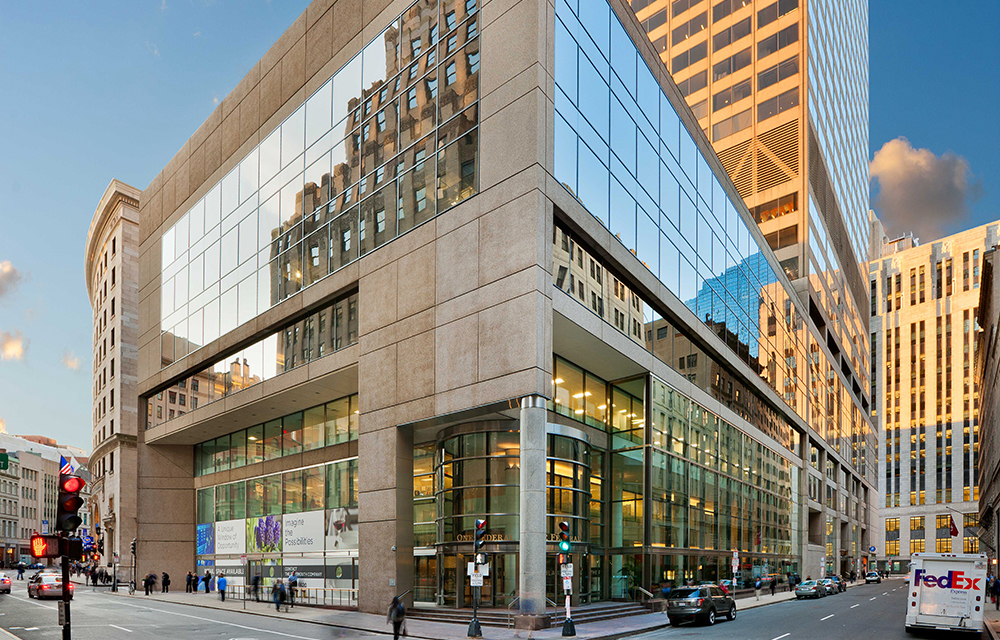
Rubin Rudman to establish headquarters at Tishman Speyer’s One Federal St.
Boston, MA Tishman Speyer has secured a new headquarters lease with Rubin Rudman at One Federal St., its 38-story, 1.1 million s/f tower in the Financial District. Under a 15-year lease, Rubin Rudman’s new headquarters will span 57,844 s/f across One Federal’s entire 23rd and 24th floors and a portion of the 25th floor.





 (1).png)

Columns and Thought Leadership

Retail infill strategy to activate Pawtucket’s Conant Thread District - by Gaetan Kashala
Until recently, the Conant Thread District consisted of approximately 150 acres of underutilized industrial land spanning Pawtucket and Central Falls. Today, the area is one of the most significant

IREM president’s message: Our new reality - Staying ahead of supply chain delays - by Yoany Vargas
Supply chain delays are slowing construction, ratcheting up operating costs, and extending turnover timelines across Greater Boston, directly reducing revenue and increasing the workload for multifamily and

Revitalized Town Centers: Retail??? - by Carol Todreas
It is now widely accepted that customers want to shop in person at physical stores. Brands know that they do better business in a physical store than just on line so they want to open stores. Demand for retail space by digital merchants, local entrepreneurs, and newly developed national chains

The legislature has spoken: New Hampshire doubles down on housing in commercial zones - by John Sokul
Last year, the New Hampshire Legislature enacted HB 631, a landmark housing measure requiring municipalities to permit multifamily housing in commercially zoned districts. The law generated