



News:
Spotlight Content
Posted: July 11, 2008
Take control of your insurance information
The premium generated by your property and casualty insurance is based on information. The better the information you present (your story), the better pricing and coverage you are likely to obtain from insurers. And who knows your story better than you!
Underwriters will not spend precious time and resources on your risk unless they receive as a minimum, a schedule of your properties that includes the age, type of building construction, number of stories, total units, and 100% replacement cost values. Also necessary are five years of liability and property loss runs. Underwriters also rely on plot plans, physical inspections and information available on the internet.
Your job is to supply your insurance broker with the information necessary to present your risk in the most favorable light so that an attractive submission can be made to insurers. For example, a poor loss history may be the result of non-recurring extenuating circumstances or claims at properties no longer owned. A story needs to be told that can explain the losses away.
Your broker will then organize and present the information to the insurance marketplace in an effort to convince underwriters to "buy" your risk. The more favorably the broker's submission portrays your risk characteristics, the better the result will be.
Underwriters want to write business, but they also like their jobs, so you need to help them justify the purchase of your risk so they can document their decision in the file. Don't be a passive participant. It is up to you to drive the process by controlling the information flow.
Al Shapiro, CPCU, ARM is a senior consultant at Albert Risk Management Consultants in Needham, Mass.
Tags:
Spotlight Content
MORE FROM Spotlight Content

NEREJ's 2026 Industrial Review Spotlight
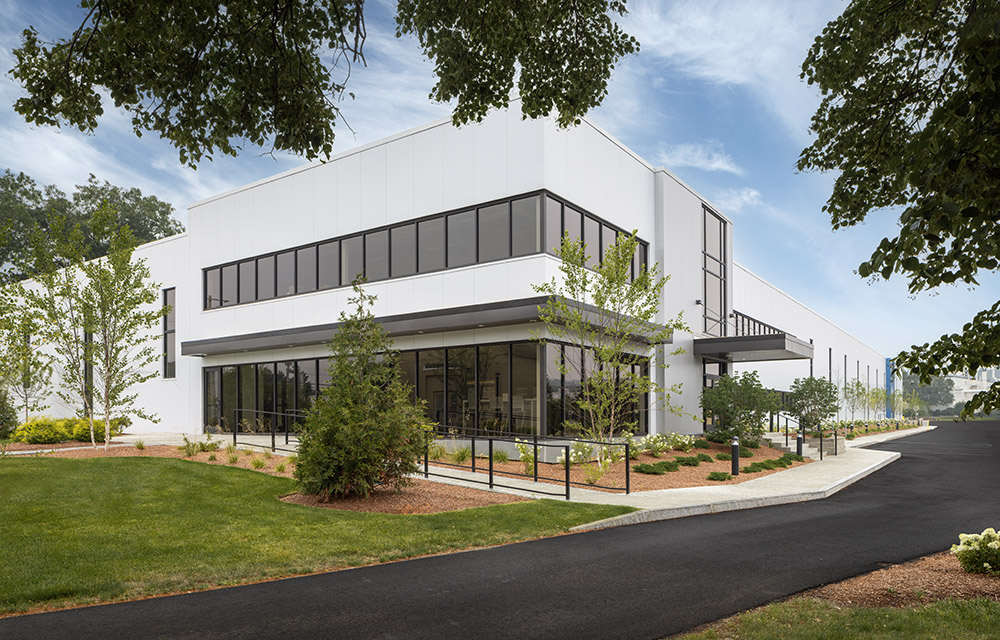
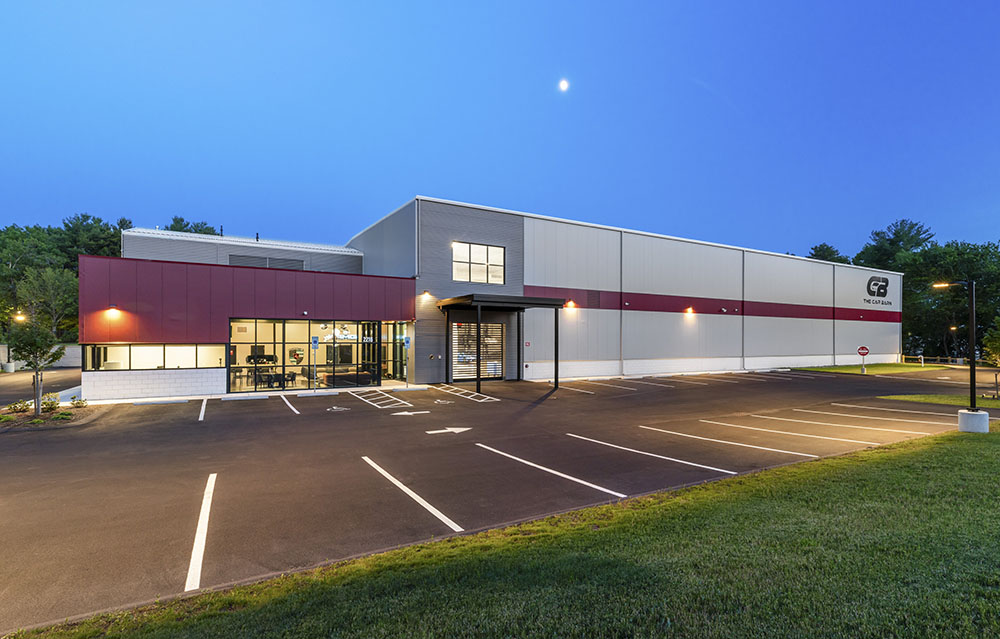
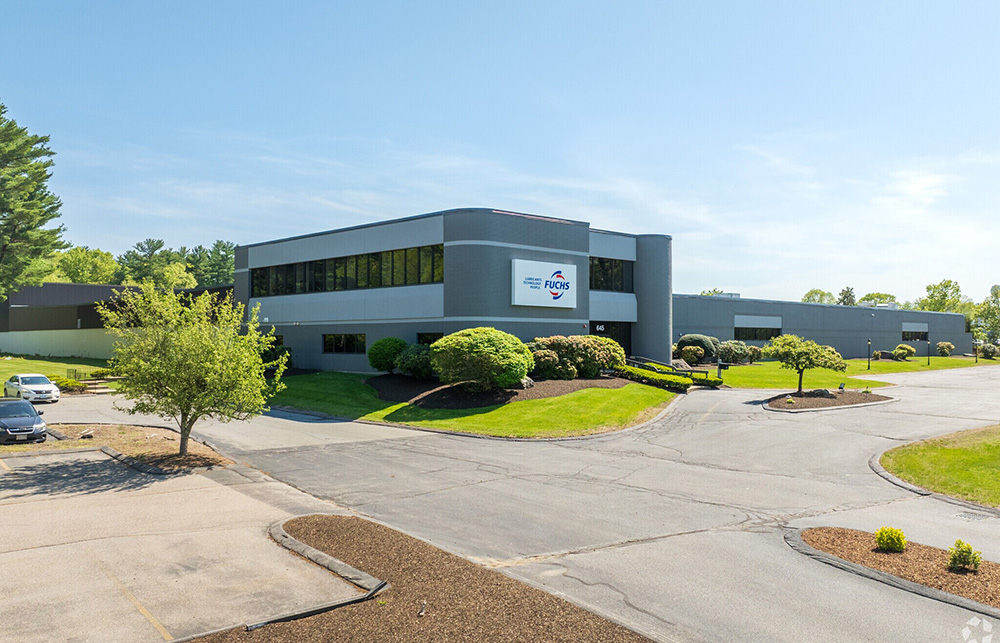
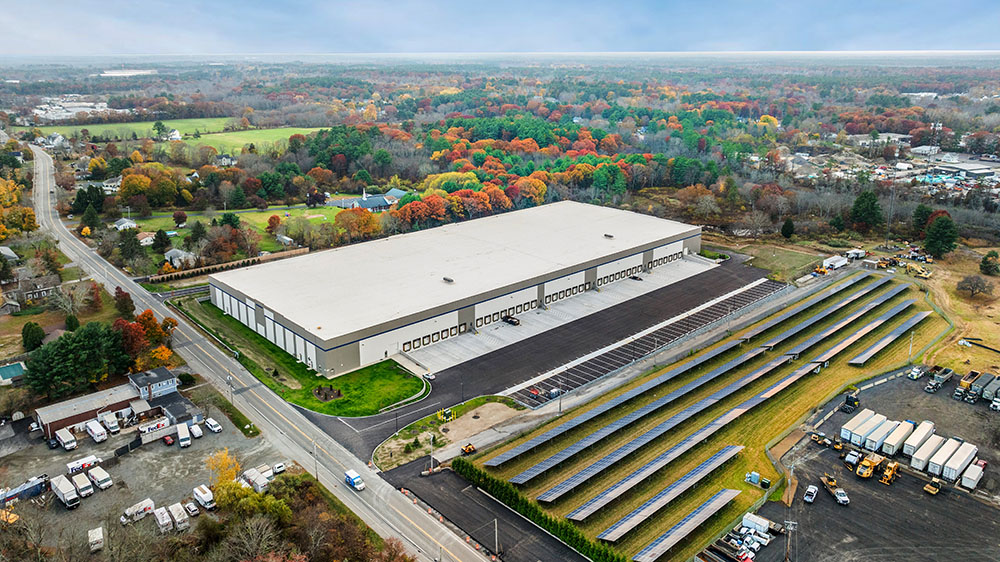
The New England Real Estate Journal is pleased to present Industrial Review 2026, a special publication highlighting the people, projects and properties shaping New England’s industrial real estate market.



Quick Hits

Columns and Thought Leadership

As legacy names recalibrate, new entrants are moving in with fresh capital, new technologies, and business models tailored to today’s supply-chain needs - by Michael Harrington
Southern New Hampshire’s industrial market has always punched above its weight. For decades, the region has attracted a mix of advanced manufacturing, beverage and food producers, logistics operators, and specialty

How do we manage our businesses in a climate of uncertainty? - by David O'Sullivan
These are uncertain times for the home building industry. We have the threat of tariffs mixed with high interest rates and lenders nervous about the market. Every professional, whether builder, broker, or architect, asks themselves, how do we manage our business in today’s climate? We all strive not just to succeed, but

Limited supply fuels landlord‑friendly conditions in Rhode Island’s industrial market - by Julie Freshman and George Paskalis
As we enter the spring of 2026, the Rhode Island industrial real estate market stands on stable footing, following several years of resilience fueled by constrained supply, steady demand, and dynamic economic conditions.

Shallow-bay wins on 495/128: A renewal-driven market with a thin pipeline - by Nate Nickerson
The Boston industrial market entered mid-2025 in a bifurcated state. Large-block vacancy remains elevated, while shallow-bay along the 495/128 corridor continues to prove resilient. Fieldstone’s focus on this geography positions us squarely in the middle of a renewal-driven, supply-constrained
