(1).png)
News:
Owners Developers & Managers
Posted: July 6, 2018
The benefits of leasing for business owners - by Marc Pettine

Rockland Trust Leasing
Every business owner knows they need the right equipment in order to succeed and remain competitive. This can mean installing the perfect oven in your restaurant, or acquiring the latest hydraulic drill for your manufacturing floor. By relying on the latest innovations to help streamline or automate tasks, both business owners and their employees can focus on other aspects of the organization, such as the development of new products and enhancing customer experience.
With the new tax laws in effect, when should one consider leasing as an option for securing that important equipment for your business?
Types of Leases
Leasing has become an attractive option for business owners looking to optimize current cash flows while still providing their business with the equipment it needs to flourish. All leases provide 100 percent financing for your equipment acquisition. Let’s take a step back and look at two of today’s most popular types of leases:
Operating Lease: Also known as a true lease, these more traditional leases are very similar to what some people use for cars. Operating leases provide lower monthly payments and protection against equipment obsolescence. Ownership of the equipment rests with the lessor and enables business owners to use the equipment for a certain amount of time. At the end of the lease, they have the option to 1) return the equipment, 2) purchase the equipment at its fair market value or 3) renew the lease at its fair market rental.
Capital Lease: Business owners benefit from retaining the ownership of the equipment, including depreciation deductions when filing taxes. The full equipment cost is paid over the term of the lease and at the end of the lease term you own the equipment for a nominal purchase price ($1.00 buyout).
So how do you decide what lease option is best for your business? Start by looking at the unique needs of your business. How long do you plan to utilize the equipment? Will it become obsolete near the end of the lease term due to the pace of technical innovation or regular wear and tear? Operating leases are great for equipment with a clear, and often brief, lifecycle, while capital leases are ideal for equipment you plan to utilize long-term and therefore benefit from certain tax advantages. Take a hard look at your cost-to-value calculations and bring in outside financial advice before you settle on that new piece of equipment.
Tax Implications
Updates to the 2018 tax law have introduced a number of new considerations when determining what lease option is best for your business. With operating leases, the depreciation benefits go to the lessor. However, capital leases empower business owners with ownership of the equipment, enabling them to keep the depreciation benefits as the lessee. The new tax laws magnify the importance of owning the depreciation rights to your equipment, enabling businesses to expense 100 percent of the equipment costs for the first year with no limit on the dollar amount. This is a change from the previous tax laws, where businesses could depreciate up to about 70 percent of costs up to $2 million. The updated tax laws make a capital lease an attractive option, depending on each business’s specific tax situation.
With so many options and tax implications, it’s important to discuss your options with someone you trust and who understands your business needs. Rockland Trust offers capital and operating lease products with up to 100 percent direct financing to commercial customers. Learn more about our leasing options or read about a business owner’s experience with leasing.
Marc Pettine is vice president at Rockland Trust Leasing, Medford, N.J.
MORE FROM Owners Developers & Managers
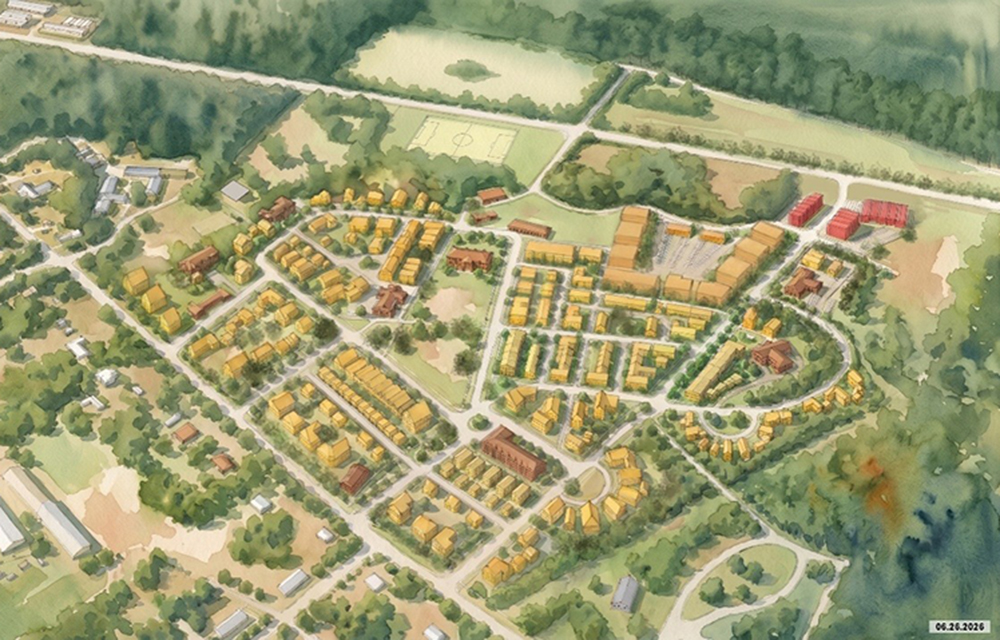
Healey-Driscoll Administration seeks developer to transform former 72-acre school into 288+ home neighborhood
Lancaster, MA According to the Healey-Driscoll Administration, the Division of Capital Asset Management and Maintenance (DCAMM) has released a Request for Proposals seeking a developer to transform the 72-acre former Lancaster Industrial School for Girls property into a new, walkable neighborhood with at least 288 homes.


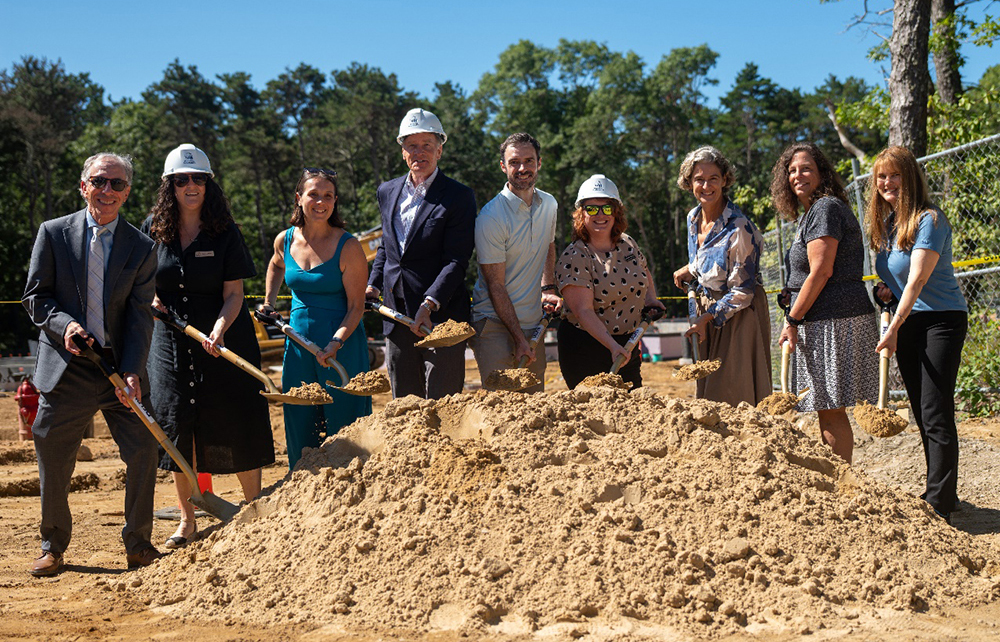




Quick Hits
 (1).png)

Columns and Thought Leadership
IREM president’s message: Our new reality - Staying ahead of supply chain delays - by Yoany Vargas
Supply chain delays are slowing construction, ratcheting up operating costs, and extending turnover timelines across Greater Boston, directly reducing revenue and increasing the workload for multifamily and

The legislature has spoken: New Hampshire doubles down on housing in commercial zones - by John Sokul
Last year, the New Hampshire Legislature enacted HB 631, a landmark housing measure requiring municipalities to permit multifamily housing in commercially zoned districts. The law generated

Revitalized Town Centers: Retail??? - by Carol Todreas
It is now widely accepted that customers want to shop in person at physical stores. Brands know that they do better business in a physical store than just on line so they want to open stores. Demand for retail space by digital merchants, local entrepreneurs, and newly developed national chains

Retail infill strategy to activate Pawtucket’s Conant Thread District - by Gaetan Kashala
Until recently, the Conant Thread District consisted of approximately 150 acres of underutilized industrial land spanning Pawtucket and Central Falls. Today, the area is one of the most significant
September Promotion