



News:
Construction Design & Engineering
Posted: April 19, 2024
The rise of incubators and co-working spaces: The latest in life sciences - by Matt Combs

In recent years, the life science industry has witnessed a shift in how companies operate and innovate. One of the key driving forces behind this transformation is the emergence of incubators and co-working spaces specifically tailored to meet the unique budget and schedule needs of startups. In the current market landscape, there is a growing availability of space that can be transformed into such dynamic workplaces. These revamped structures offer a cost-effective alternative for startups, presenting an opportunity for them to thrive in suburban environments.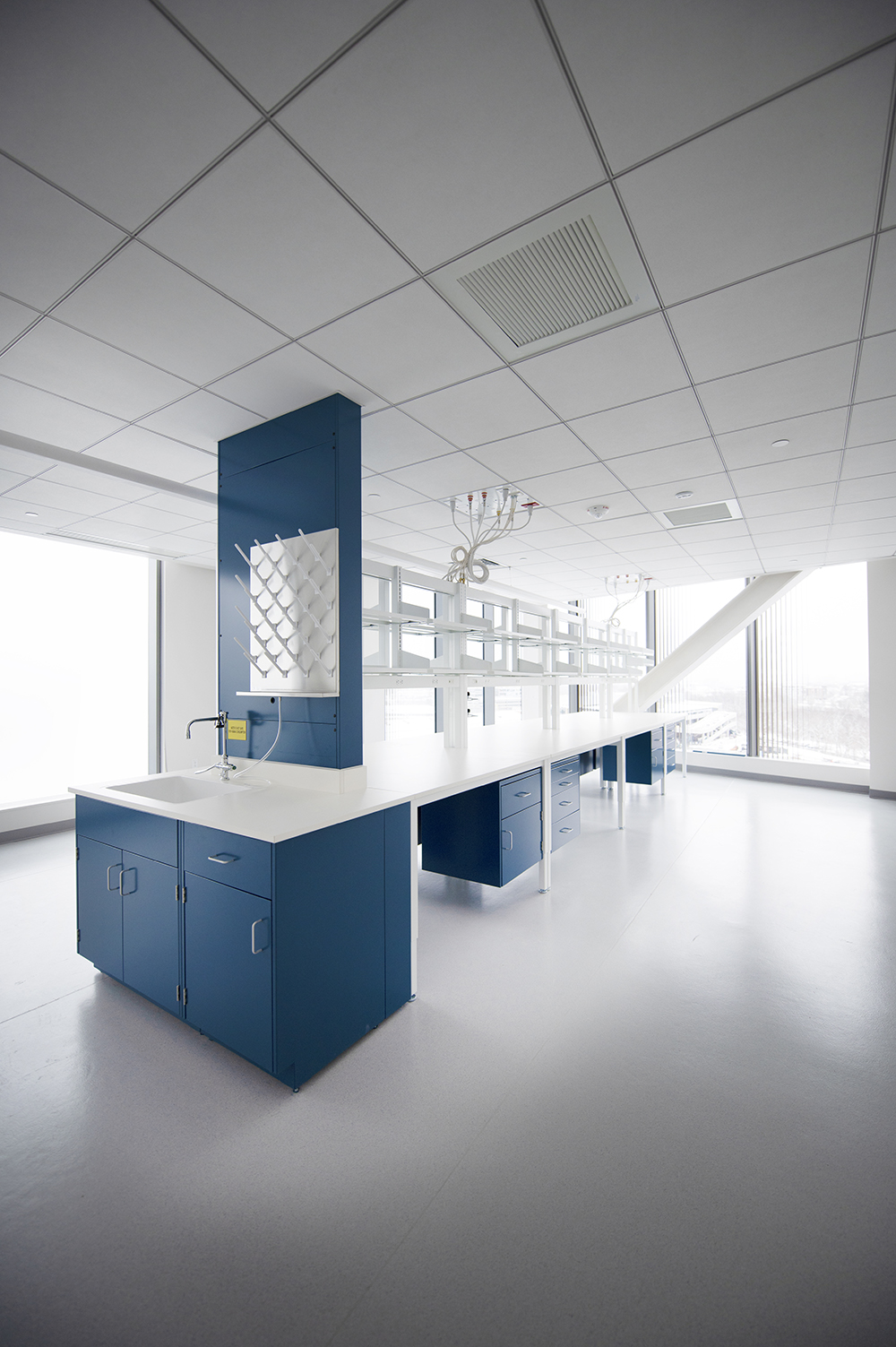
Incubators and co-working spaces are entities and initiatives strategically crafted to support the success of emerging startups. Their primary objective is to furnish valuable resources for developing young companies, addressing common challenges these startups often face.
Key Features of Life Science Incubators & Co-Working Spaces:
• Flexible Laboratory Spaces: The design of these spaces prioritizes flexibility, allowing companies to scale their operations as they grow. Adaptable laboratory layouts and modular infrastructure ensure companies can easily reconfigure their workspace to accommodate changing research needs.
• Shared Resources: Incubators and co-working spaces provide shared access to expensive and specialized equipment, reducing costs for individual companies. This shared resource model fosters collaboration and accelerates research and development processes.
• Networking Opportunities: These spaces often host events, workshops, and networking sessions, creating opportunities for entrepreneurs to connect with industry experts, investors, and potential collaborators. The collaborative nature of the environment facilitates the exchange of ideas and expertise.
• Support Services: Beyond physical infrastructure, incubators and co-working spaces offer support services such as mentorship programs, business development assistance, and access to funding opportunities. These services contribute to the overall success and sustainability of the companies operating within these spaces.
• Proximity to Academic Institutions: Many of these spaces strategically locate themselves in close proximity to academic institutions, fostering collaboration between startups and research universities. This proximity allows companies to tap into the intellectual capital of nearby educational institutions.
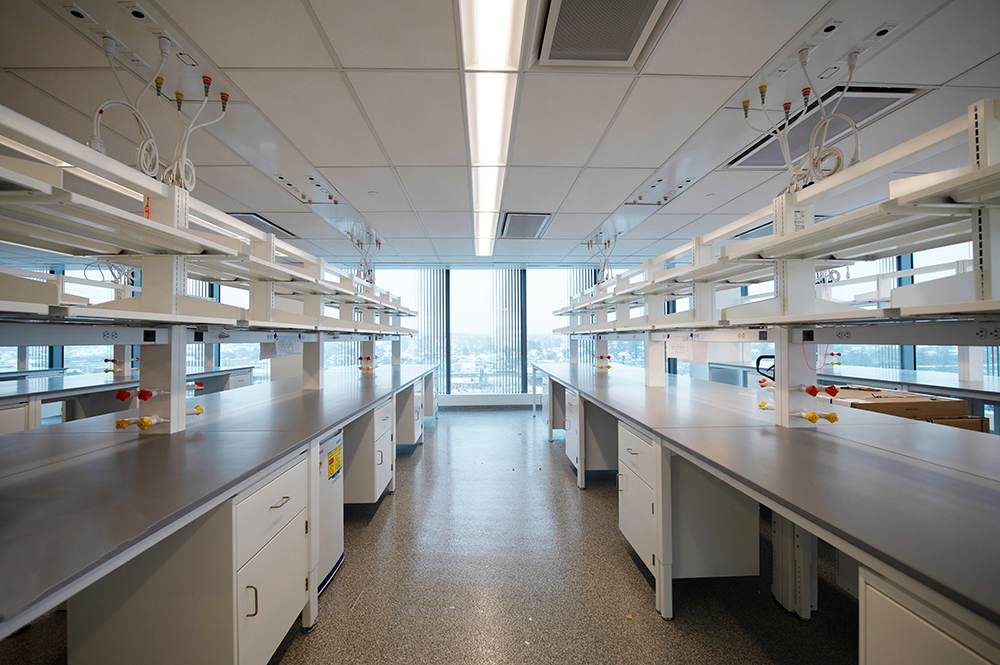 All the above items are ultimately designed to allow newly forming companies to focus on the science rather than having to worry about their infrastructure. As the life science industry continues to evolve, there are a few drivers pushing the attractiveness of these work environments:
• Constraints on capital, high interest rates, and decreased venture capital activity have caused companies to shift their focus to being leaner. With the cost of life science space ranging from $80-120 per s/f, the lessened operational/real estate overhead is needed so that the budget can be allocated to the scientific development and progression of the company.
• There has been a rise in the need for scientific flexibility because investors are being more cautious with their capital, making data more critical than ever. Good data=good investors=funding!
• Scientifically focused companies are staying in smaller spaces for longer until their projects/pipeline and data are strong enough to support their development and generate the funding needed to grow.
• The smaller incubator spaces allow for low operational burden and increased scientific flexibility while the company’s pipeline and direction are being tested and backed by data.
The partnerships between developers and construction managers will play a pivotal role in shaping the future of these environments, ensuring that they remain at the forefront of industry trends and continue to meet the evolving needs of life science entrepreneurs. We bring expertise in optimizing the physical space, ensuring that the layout accommodates the specific needs of life science startups. This may involve configuring flexible laboratory spaces, integrating shared equipment hubs, and enhancing overall infrastructure to meet industry standards. Meanwhile, the developer, attuned to market trends and startup requirements, ensures the space is functional and attractive to potential tenants.
Matt Combs is the advanced technology/life sciences group manager at Erland Construction, Inc., Burlington, Mass.
MORE FROM Construction Design & Engineering
Chapman Construction/Design completes renovations to Freese Student Center at Southern N.H. University
Manchester, NH Chapman Construction/Design (Chapman) completed the second phase of renovations to Southern New Hampshire University’s (SNHU) Robert A. Freese Student Center. Chapman completed the project over two summer sessions,








Columns and Thought Leadership

Greenwood Credit Union City Hall Plaza nears completion - by Frank Picozzi
After several years of planning, construction, and anticipation, the community is eagerly awaiting the opening of the Greenwood Credit Union City Hall Plaza and outdoor skating rink later this month.

Navigating tariffs and material uncertainty in today’s construction market - by Karl Ginand and Tiffany Gallo
As headlines around tariffs seem to dominate the news daily, many considering construction projects have anticipated major cost escalations and widespread supply issues. While tariffs haven’t driven pricing spikes to the extent once feared, the lasting impact has been a new layer of uncertainty, affecting more than just budgets.

ABC-Mass. chairman’s message: Rent control isn’t the answer to our housing crisis - by Luiza Mills
As you may know, Massachusetts voters will be weighing in on a number of ballot initiatives in November. Among them is a proposal to impose the nation’s strictest statewide rent control policy. I’d like to tell you why the ABC MA Board

It’s time to lead: Confronting mental health in construction - by David Watts
As we close Mental Health Awareness Month, we must be clear: May isn’t just about ribbons, hashtags, or lunchtime mindfulness apps. It’s about responsibility to confront hard truths that linger in silence, and to challenge ourselves, as leaders in our industry, to do more.
