



News:
Brokerage
Posted: July 29, 2022
Three current trends in retail leasing - by Thomas Bhisitkul

The 2022 ICSC Las Vegas conference in May represented the first time in two years that players in the retail industry have been able to come together en masse to reconnect, make deals (of course), compare notes and share experiences. Not surprisingly, there were plenty of war stories relating to the many challenges presented by the COVID-19 pandemic and its fallout on the industry, including supply chain disruptions (resulting in shortages and unpredictable availability of building materials and supplies), labor shortages, strained contractor capacities and an overall dramatic increase in construction and development costs.
Many of these adverse circumstances have begun to manifest in new shifts and trends in the terms and negotiations of retail lease transactions, a few of which are noted below:
1. Revisiting Landlord Delivery Timelines and Penalties
Owing to these multiple challenges in executing, and the inherent unpredictability of, construction projects in the current environment, retail landlords are becoming more focused on the granular details of their lease obligations regarding their development of the center and construction of tenant improvements. In particular, landlords are pushing for longer “outside delivery dates” (beyond which, many leases impose delay penalties on the landlord, such as rent abatements and credits, and even tenant termination rights), and negotiating for more flexibility in adjustments and extensions to the outside delivery date due to force majeure events and other circumstances beyond their control. As a related matter, landlord lawyers are fine tuning the definitions of “force majeure” under retail leases to (in all cases) include pandemics in general and COVID-19 delays in particular, and further adding (to the extent that tenants will tolerate them) specific references to shortages and delays in labor, materials and supplies.
2. National Retail Tenant: Mandatory COVID-19 Protection Provisions
Following the impacts to retail business during the darkest periods of COVID-19, many national retail tenants are now mandating that new leases contain provisions that relieve tenant lease obligations during pandemic-related governmental shutdown orders and business operation restrictions. Such relief may include (depending on the terms of a given tenant’s standard language) extending (or “staying”) tenant permit contingency periods during periods of government suspensions or delays in processing permit applications and conducting zoning board hearings, extending deadlines for completion of tenant improvements and store opening covenants, delaying or extending rent commencement dates, and even relieving (deferring) post-possession rent payments during periods when their operations are significantly affected.
3. Synthesizing Online and Brick and Mortar Retail Businesses
As online retail sales have continued to explode, many retailers have determined that having a physical store is a crucial complement to their online sales. Online sales are increasingly consummated by shoppers “picking up” the purchased products from their nearest store outlet, or by products being shipped to local stores and then delivered by local (“final mile”) transfer to the customer’s home. These trends are manifesting in retail leases with retail tenants negotiating for non-traditional common area rights to facilities, and these non-traditional consumer delivery systems, such as ancillary rights to conduct “curbside pick-up” services on common area sidewalks outside of the store, and more flexible and intensive use of common parking and driveway areas by sprinter vans and other delivery vehicles, making frequent “final mile” home deliveries of products loaded from the local brick and mortar store.
Each of these has impacted the way that landlords and tenants do business and solidify the importance not only of reviewing current contracts, but also to consider what impact future opportunities may need to be accounted for.
Thomas Bhisitkul is a partner in Hinckley Allen’s real estate group, Boston, Mass.
MORE FROM Brokerage
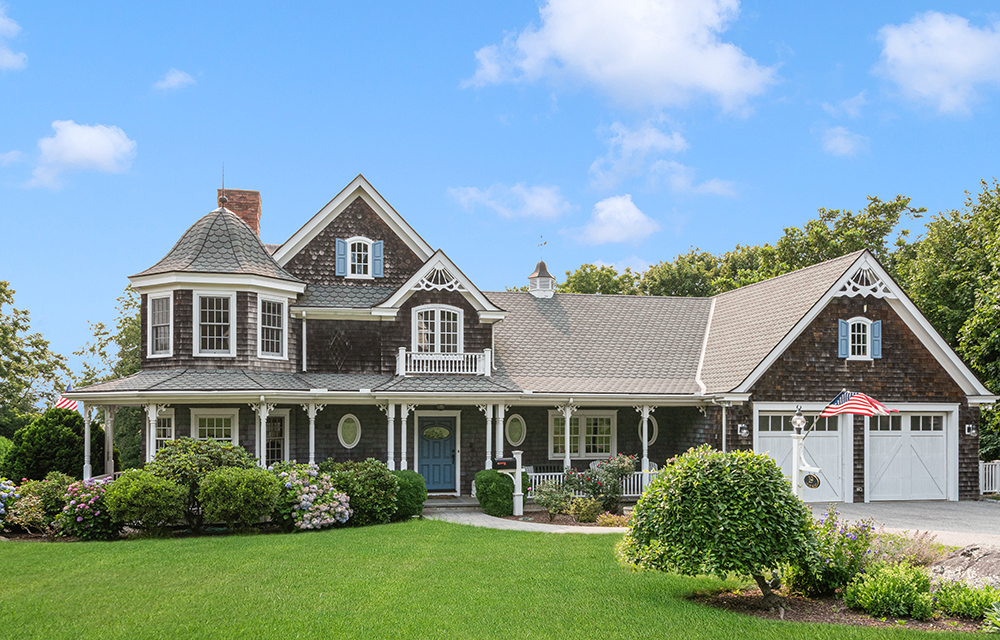
Greene of Compass Providence closes on 19 Ledge Rd. for $2.8 million
Bristol, RI Compass negotiated the sale of 19 Ledge Rd. for $2.8 million. Kira Greene, founding agent of Compass Providence, represented the sellers in this transaction, working alongside Beth Anderson, client




Columns and Thought Leadership

End of the year retail thoughts - by Carol Todreas
Now what? As the year comes to a close, the state of retail is always in the news. The answers vary greatly depending on who in the various related industries you ask, each offering a unique lens on the challenges and opportunities ahead.

The rise of AI in CRE - And what it means for every skilled profession - A broker & appraiser weighs in - by Bryan Plourde
This may seem self-serving, and I’ll be the first to admit it. But unlike some of the artificial intelligence tools now reshaping our industry, I am fully aware of my own bias. So, hear me out. The rise of AI in commercial real estate is not a distant threat or a speculative headline.
