News:
Brokerage
Posted: November 24, 2010
U.S. shopping center sales increase in Oct.
The U.S. Census Bureau reported that total retail sales for October rose by 1.2% - its strongest month-over-month increase since March 2010. Leading the way was a sharp 5.0% upward spike in motor vehicle demand in October - its strongest since March 2010 (+6.6%). Excluding the motor vehicle and gasoline service station components, retail sales rose by 0.4% in October - steady with its September gain. U.S. shopping center sales - ICSC's metric of industry sales that is based on these data - rose by 0.5% in October following a 0.3% rise in September.
On a year-over-year basis, October retail sales rose by 7.3% following a gain of 7.4% in September - which was the strongest back-to-back gain since March-April 2010. Retail sales less motor vehicles and gasoline rose by a more moderate - though healthy - 5.2% year-over-year pace, which was its strongest pace since December 2006 (+5.4%). Shopping center sales rose by 3.9% in October compared with the same month of the prior year, which was its strongest pace since April 2010 (+4.5%).
Overall, these data continue to be choppy by component, but grow at a healthy rate in total.
MORE FROM Brokerage
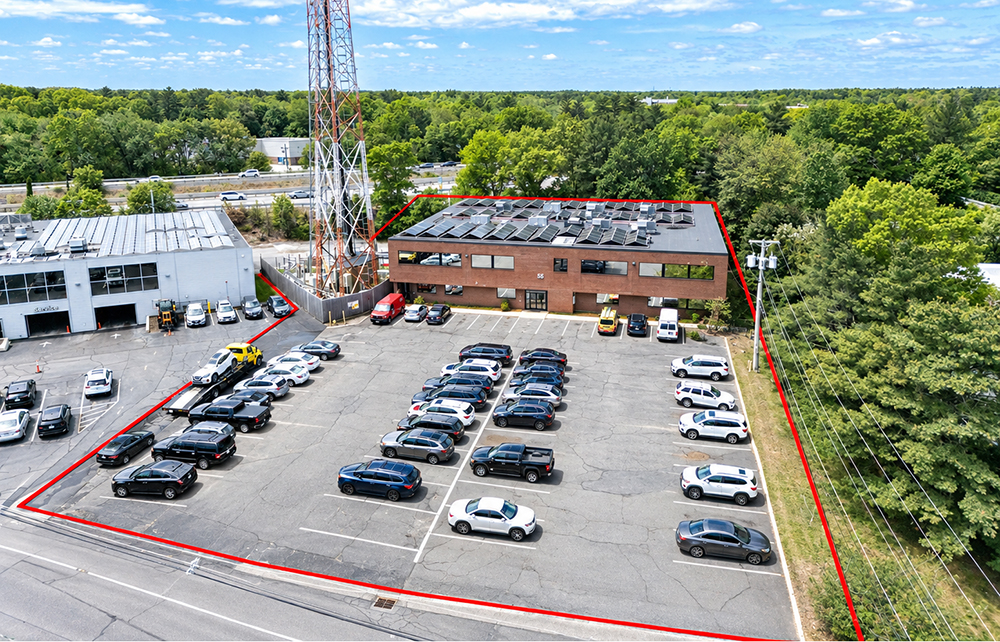
DMG Brokerage completes $2.7 million sale of 55 Accord Park Dr.
Rockland, MA DMG Brokerage completed thel sale of 55 Accord Park Dr. for $2.7 million. The 26,000 s/f commercial property presented a unique marketing challenge due to its 60% vacancy and site restrictions that limited potential redevelopment options.






Columns and Thought Leadership

End of the year retail thoughts - by Carol Todreas
Now what? As the year comes to a close, the state of retail is always in the news. The answers vary greatly depending on who in the various related industries you ask, each offering a unique lens on the challenges and opportunities ahead.

The rise of AI in CRE - And what it means for every skilled profession - A broker & appraiser weighs in - by Bryan Plourde
This may seem self-serving, and I’ll be the first to admit it. But unlike some of the artificial intelligence tools now reshaping our industry, I am fully aware of my own bias. So, hear me out. The rise of AI in commercial real estate is not a distant threat or a speculative headline.

September Promotion