


 (1).png)
News:
Owners Developers & Managers
Posted: September 11, 2026
Wash, dry, rethink: What a social media post about laundry facilities can teach multifamily investors about value - by Alix Curtin

An apartment property manager recently posed a simple question on social media: which amenities do residents actually care about, and which ones just look good on a tour? The responses told a consistent story. Residents rarely mention smart locks or coworking lounges when they talk about what keeps them in a lease. They talk about laundry. They talk about parking. They talk about whether the dog park is clean and whether the carpet in their unit still looks decent after three years.
For multifamily investors, this distinction matters more than it might seem. The amenities that drive resident satisfaction and renewal decisions are not always the ones that drive leasing tours. Understanding that gap can change how investors evaluate a property, and how owners should be maintaining one before it goes to market.
Amenities that photograph well are not always the amenities that retain tenants
Every multifamily property today competes on amenities. Fitness centers, package lockers, EV charging and smart home technology have become standard features in new development and value-add renovations alike. These amenities help a property stand out during a tour, and they matter for initial leasing decisions.
But the social media thread pointed to something investors should pay closer attention to: the amenities residents use every single week are often the ones that determine whether they renew. Laundry came up repeatedly as an example. It is not a feature that excites a prospective tenant during a walkthrough, but when the machines are outdated, unreliable, overpriced or inconveniently located, residents notice fast. And they remember it at renewal time.
Other commenters pointed to similarly unglamorous but high-frequency amenities: guest parking enforcement, dog parks and wash stations, coffee stations and even carpet cleaning. None of these are flashy. But all of them show up in the daily experience of living at a property, which is exactly why they carry weight when a resident decides whether to stay another year.
Why this matters for underwriting and due diligence
Renewal rates are a direct input into a property’s net operating income. Lower turnover means fewer vacancy costs, less spent on make-ready and marketing, and more predictable cash flow. Amenities that influence renewal decisions are, in effect, influencing value, even when they are not the amenities highlighted in a listing brochure.
This creates a practical opportunity for investors evaluating an acquisition. A property with an attractive amenity package but poor day-to-day infrastructure may carry more turnover risk than the marketing materials suggest. Conversely, a property with modest common areas but well-maintained, functional core amenities may retain residents more effectively than its curb appeal indicates.
A checklist for evaluating amenities during acquisition
When underwriting a multifamily asset, consider building resident-experience amenities into due diligence alongside the standard financial and physical reviews. A few questions worth asking:
• What is the age and condition of the laundry facilities or in-unit machines? Outdated, malfunctioning or expensive laundry service is a frequent source of resident complaints, and complaints often precede a decision not to renew.
• Is parking adequate and consistently enforced? Several property managers pointed to guest parking specifically as an underrated factor in renewal conversations. Availability matters, but so does whether the rules around it are followed.
• Are pet-related amenities functional and maintained? Dog parks, wash stations and pet-friendly common areas see regular use in pet-heavy communities and are easy to overlook during a walkthrough.
• What is the condition of unit interiors, particularly flooring? Carpet condition and general unit upkeep influence how residents feel about renewing, even when the issue never generates a formal complaint.
• Are convenience-driven amenities, such as coffee stations or package lockers, functioning as intended? These are low-cost to maintain but highly visible when they fail.
• What is the property’s historical renewal rate, and does it correlate with any amenity or maintenance issues? If turnover is elevated, it is worth asking whether the cause is rent-related or tied to daily resident experience.
This list is not exhaustive, but it reframes amenity evaluation around usage rather than appearance. A property’s most valuable amenities may not be the ones featured in its marketing photos.
Why current owners should pay attention before listing
The same principle applies to owners preparing to sell. Properties with strong renewal history and well-maintained core amenities are often positioned more competitively at sale, because buyers are increasingly aware that retention drives value. Addressing deferred maintenance on high-frequency amenities, such as laundry equipment or parking infrastructure, ahead of a listing can support a stronger valuation story during marketing and due diligence.
Owners who invest in visible, tour-ready upgrades while neglecting the daily use amenities that drive resident satisfaction may find that turnover, and the costs associated with it, undercut the returns those upgrades were meant to support.
The bigger picture for multifamily investors
The amenities that win a tour and the amenities that keep a resident renewing are not always the same. Recognizing that distinction is becoming a meaningful part of how sophisticated investors evaluate multifamily assets. Renewal rates are closely tied to daily resident experience, and daily resident experience is closely tied to long-term property value.
For investors evaluating an acquisition, or owners preparing to sell, taking a closer look at how residents actually use a property, not just how it photographs, can offer a clearer picture of where the value really lives.
Alix Curtin is an associate broker on Northmarq’s Multifamily Investment Sales team, Boston.
MORE FROM Owners Developers & Managers
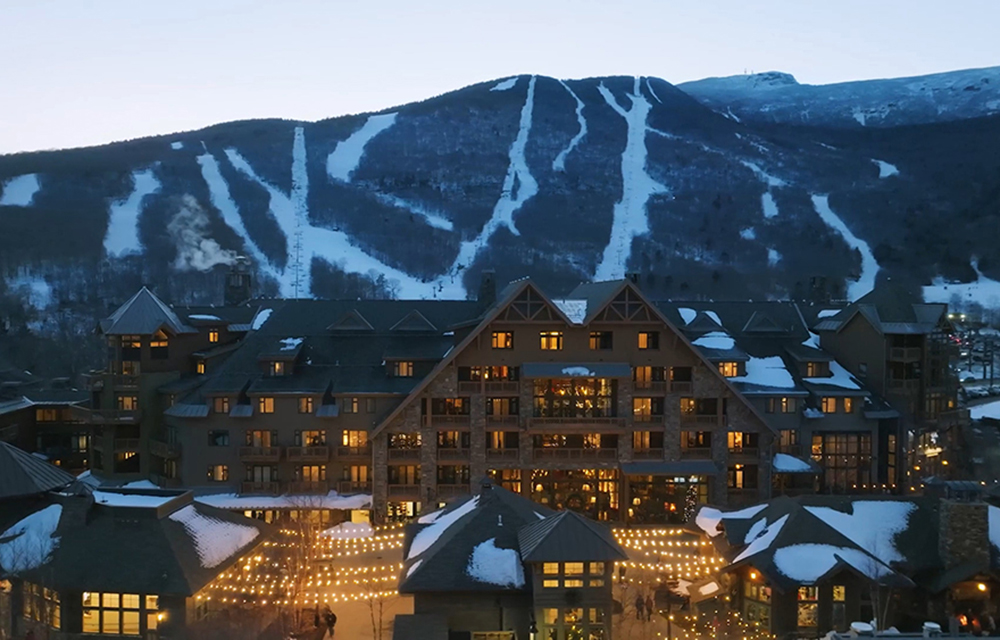
The Lodge at Spruce Peak recognized with Condé Nast Traveler’s 2026 Readers’ Choice Award - #3 in New England
Stowe, VT Condé Nast Traveler revealed the results of its annual Readers’ Choice Awards, with The Lodge at Spruce Peak recognized as the #3 U.S. Resort in New England.







Columns and Thought Leadership

Revitalized Town Centers: Retail??? - by Carol Todreas
It is now widely accepted that customers want to shop in person at physical stores. Brands know that they do better business in a physical store than just on line so they want to open stores. Demand for retail space by digital merchants, local entrepreneurs, and newly developed national chains

Retail infill strategy to activate Pawtucket’s Conant Thread District - by Gaetan Kashala
Until recently, the Conant Thread District consisted of approximately 150 acres of underutilized industrial land spanning Pawtucket and Central Falls. Today, the area is one of the most significant

The legislature has spoken: New Hampshire doubles down on housing in commercial zones - by John Sokul
Last year, the New Hampshire Legislature enacted HB 631, a landmark housing measure requiring municipalities to permit multifamily housing in commercially zoned districts. The law generated

IREM president’s message: Our new reality - Staying ahead of supply chain delays - by Yoany Vargas
Supply chain delays are slowing construction, ratcheting up operating costs, and extending turnover timelines across Greater Boston, directly reducing revenue and increasing the workload for multifamily and