


 (1).png)
News:
Owners Developers & Managers
Posted: March 29, 2019
Why commercial real estate must adopt technology in 2019 - by Gabriel Safar

Commercial real estate has for far too long lagged behind the rest of the world in embracing modern technology, asking employees to meet today’s market expectations with yesterday’s tools. In commercial leasing, it’s the norm for it to take 90 days to close a deal, something that would not be acceptable in any other industry. That’s why now is the time to start improving antiquated processes by adopting technology.
Currently, commercial real estate lawyers use traditional word processors to draft and close leases, software that basically has not changed in 25 years. While Word is great for communicating abstract ideas, it’s not ideal for the creation of leases, which contain hundreds of dependent clauses and calculations that must be updated should even minor details in the lease change.
Further, the data within those documents is siloed from property management, financial and other software needed to keep the business running. Leasing administrators and paralegals manually (and inefficiently) break down those silos by combing through the hundreds of pages of a lease and summarizing key details into leasing abstracts. This tedious, manual task takes hours of time and painstaking attention to detail, leading to burnout and high employee turnover.
Is there a better way to complete this process? You bet. Technology, like document automation, for example, can reduce the amount of time it takes to bring a lease from letter of intent to close. Software integration reduces the hours of work into mere minutes, keeping employees engaged and freeing up time for commercial real estate professionals to focus on higher-level tasks that bring real value to the company.
This isn’t a Jetsons-like future fantasy. It can, and should, happen today. If your organization hasn’t considered technology to improve your outdated processes, what are you waiting for?
Gabriel Safar is CEO of LeasePilot, Boston, Mass.
MORE FROM Owners Developers & Managers
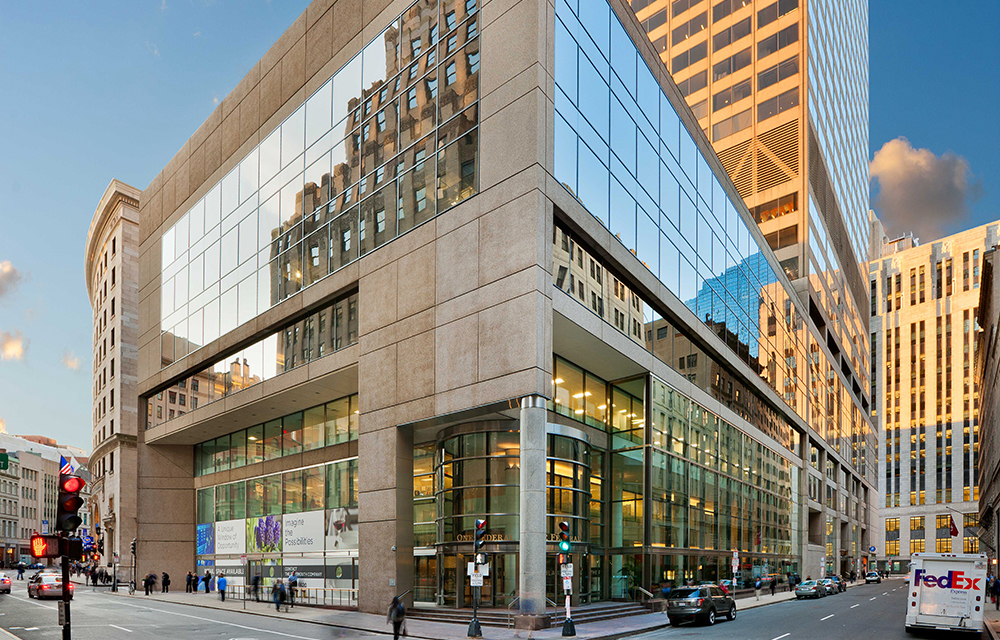
Rubin Rudman to establish headquarters at Tishman Speyer’s One Federal St.
Boston, MA Tishman Speyer has secured a new headquarters lease with Rubin Rudman at One Federal St., its 38-story, 1.1 million s/f tower in the Financial District. Under a 15-year lease, Rubin Rudman’s new headquarters will span 57,844 s/f across One Federal’s entire 23rd and 24th floors and a portion of the 25th floor.





 (1).png)

Columns and Thought Leadership

IREM president’s message: Our new reality - Staying ahead of supply chain delays - by Yoany Vargas
Supply chain delays are slowing construction, ratcheting up operating costs, and extending turnover timelines across Greater Boston, directly reducing revenue and increasing the workload for multifamily and

The legislature has spoken: New Hampshire doubles down on housing in commercial zones - by John Sokul
Last year, the New Hampshire Legislature enacted HB 631, a landmark housing measure requiring municipalities to permit multifamily housing in commercially zoned districts. The law generated

Revitalized Town Centers: Retail??? - by Carol Todreas
It is now widely accepted that customers want to shop in person at physical stores. Brands know that they do better business in a physical store than just on line so they want to open stores. Demand for retail space by digital merchants, local entrepreneurs, and newly developed national chains

Retail infill strategy to activate Pawtucket’s Conant Thread District - by Gaetan Kashala
Until recently, the Conant Thread District consisted of approximately 150 acres of underutilized industrial land spanning Pawtucket and Central Falls. Today, the area is one of the most significant