



News:
Spotlight Content
Posted: April 24, 2026
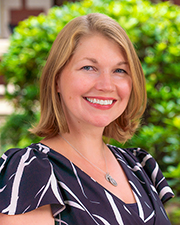
2026 Ones to Watch - Rising Stars: Catie Medeiros, Cushman & Wakefield

Director, CCIM
Cushman & Wakefield
What inspired you to pursue a career in commercial real estate, and what path brought you to your current role? Watching my father, a skilled tradesman, work tirelessly to provide for our family inspired me to pursue a career with longevity, the ability to create wealth, and support those I love. Commercial real estate offered the chance to build relationships, grow professionally, and make an impact. I fell into this field and never looked back. Today, I strive to open new opportunities and pave the way for future generations.
What accomplishment or project so far in your career are you most proud of? I am most proud of earning my CCIM Designation, completing 180+ hours of coursework and passing a 4-hour exam with a 90% score alongside CFAs, MBAs, and seasoned brokers. This achievement strengthened my expertise in investment analysis and strategic advisory and led to my election as 2027 President of CCIM New England. Professionally, since joining Cushman & Wakefield, I’m proud to have executed international transactions including a 350,000 s/f industrial project in Tijuana and a 20,000 s/f class A office lease in Pune. Deals that I never dreamed of working on.
Who has been a mentor or influential figure in your career, and what is the most valuable advice they have shared with you? Michael Kane at The Kane Company has been a consistent mentor and key influence on my growth as a broker in the New England region. He has been generous with his time and always invested in my success. His most valuable advice has been to prioritize long-term relationships, credibility, and always putting the client first.
Tags:
Spotlight Content
MORE FROM Spotlight Content

New England Real Estate Journal's 2026 Women in Commercial Real Estate Spotlight
NEREJ's Women in CRE Spotlight celebrates the women making an impact across commercial real estate and the companies that recognize, support and champion them.






 (1).gif)
Columns and Thought Leadership

As legacy names recalibrate, new entrants are moving in with fresh capital, new technologies, and business models tailored to today’s supply-chain needs - by Michael Harrington
Southern New Hampshire’s industrial market has always punched above its weight. For decades, the region has attracted a mix of advanced manufacturing, beverage and food producers, logistics operators, and specialty

How do we manage our businesses in a climate of uncertainty? - by David O'Sullivan
These are uncertain times for the home building industry. We have the threat of tariffs mixed with high interest rates and lenders nervous about the market. Every professional, whether builder, broker, or architect, asks themselves, how do we manage our business in today’s climate? We all strive not just to succeed, but

Shallow-bay wins on 495/128: A renewal-driven market with a thin pipeline - by Nate Nickerson
The Boston industrial market entered mid-2025 in a bifurcated state. Large-block vacancy remains elevated, while shallow-bay along the 495/128 corridor continues to prove resilient. Fieldstone’s focus on this geography positions us squarely in the middle of a renewal-driven, supply-constrained

Limited supply fuels landlord‑friendly conditions in Rhode Island’s industrial market - by Julie Freshman and George Paskalis
As we enter the spring of 2026, the Rhode Island industrial real estate market stands on stable footing, following several years of resilience fueled by constrained supply, steady demand, and dynamic economic conditions.
