


 (1).png)
News:
Owners Developers & Managers
Posted: October 17, 2025
76% of renters rank fitness first – the amenity that builds retention, reputation, and ROI - by Luís Mendonça

Across markets and cycle after cycle, multifamily operators are confronting familiar headwinds: faster lease turnover, flattened rent growth, and underutilized amenities. But fresh survey data from Elite Wellness Amenity Group (EWAG) reveals a powerful insight that flips the script – 76 percent of residents say gym and fitness options contribute most to their lifestyle value.
That finding reframes wellness from a “nice-to-have” into a financial strategy. When three out of four renters prioritize fitness above even social spaces, it signals more than preference – it signals how you win in retention, brand prestige, and NOI.
Survey Spotlight: Wellness Tops the Chart
In our 2025 survey of Class A and luxury renters, gym & fitness amenities ranked #1, chosen by 75.9% of respondents. The next closest, pool/outdoor relaxation, trailed at 51.%. Coworking lounges and business centers barely registered in the single digits.
These results underscore a clear truth: residents aren’t chasing optics – they’re pursuing wellness outcomes. Fitness has become the cornerstone of perceived lifestyle value. And ignoring that demand is no longer a missed opportunity – it’s a liability.
The Psychology of Retention: Why Wellness Works
Renewals are emotional before they’re financial. EWAG’s programming framework addresses four core psychological drivers that make renters stay – even through rent increases.
Emotional Anchoring – “This feels like home.”
Humans crave consistency. When a resident connects their home to positive emotions – stress relief, self-improvement, belonging – moving feels like losing part of their identity.
What builds that anchor:
• Genuine, consistent interactions with staff and trainers
• Predictable scheduling (classes, check-ins, milestones)
• Recognition and visibility (leaderboards, shout-outs)
EWAG Advantage: Our trainers become part of the residents’ emotional ecosystem – not vendors, but familiar faces. When people feel known, they renew. Even with rent increases.
Effort Avoidance – “It’s easier to stay than to move.” Moving is stressful and filled with friction. A well-programmed fitness experience removes that friction and creates daily convenience that makes renewal the default choice.
Tactics to leverage:
• Consistent programming cadence (weekly EWAG-led classes)
• Micro-rewards (milestones, recognition)
• Seamless tech (mobile booking, reminders)
EWAG Advantage: We program fitness so residents don’t have to search for it – reducing turnover risk and strengthening renewal comfort.
Social Belonging – “My community lives here.” Connection is a chemical reward. Group workouts and wellness events become social glue – creating bonds that tie residents to both people and place.
Owner strategies:
• Branded wellness challenges or themed weeks
• Recognition boards and social sharing
• Resident wellness hashtags and digital communities
EWAG Advantage: We transform fitness into a shared social identity. When residents bond, leaving feels like losing community.
Status & Self-Perception – “This place reflects my success.”
For Class A renters, the environment is part of their personal brand. A property that embodies health and vitality projects achievement and self-care.
Triggers that reinforce status:
• Concierge-level personal training
• Branded uniforms and hospitality touches
• Premium design and service aesthetic
EWAG Advantage: We position your property as a prestige wellness destination, boosting resident pride and your ability to command rent premiums.
Cognitive Dissonance Avoidance – “If I’m paying more, it must be worth more.” When lifestyle improvements come before rent adjustments, residents naturally rationalize pricing changes as justified. Adding wellness activations prior to renewal cycles reframes higher rent as higher value.
Putting the Survey Into Action
Wellness strategy is now a competitive imperative – not an afterthought. Here’s how owners and asset managers can act on the data:
1. Prioritize Wellness Over Aesthetic Upgrades
A CAPEX refresh of the lobby might look nice, but a minimal OPEX investment in trainers and programming delivers measurable ROI when 76 percent of renters rank fitness first.
2. Use Survey Data as Justification
Bring the numbers to internal budget meetings. Resident feedback validates why wellness spend is strategic, not discretionary.
3. Implement Activation First, Price Later
Introduce visible consistency – branded classes, newsletters, events – months before renewal season to anchor perceived value.
4. Track Engagement Metrics
Monitor class participation, renewal rates, and social engagement. Let the data tell the retention story.
EWAG’s Model at a Glance
• Higher Renewal Intent: Residents stay loyal to trainers, not just buildings.
• Rent Lift Validation: Lifestyle investment substantiates pricing power.
• ESG & Branding Win: Wellness fulfills both sustainability and social impact goals.
• Zero CapEx: We transform existing gyms through activation, staffing, and data – not construction.
The message is clear: fitness isn’t just the top-ranked amenity – it’s the amenity that drives renewal. “When a resident connects emotionally and socially to your property, they stop comparing rent – they start comparing lifestyles. And that’s where pricing power lives.”
Luís Mendonça is the CEO at Elite Wellness Amenity Group.
MORE FROM Owners Developers & Managers
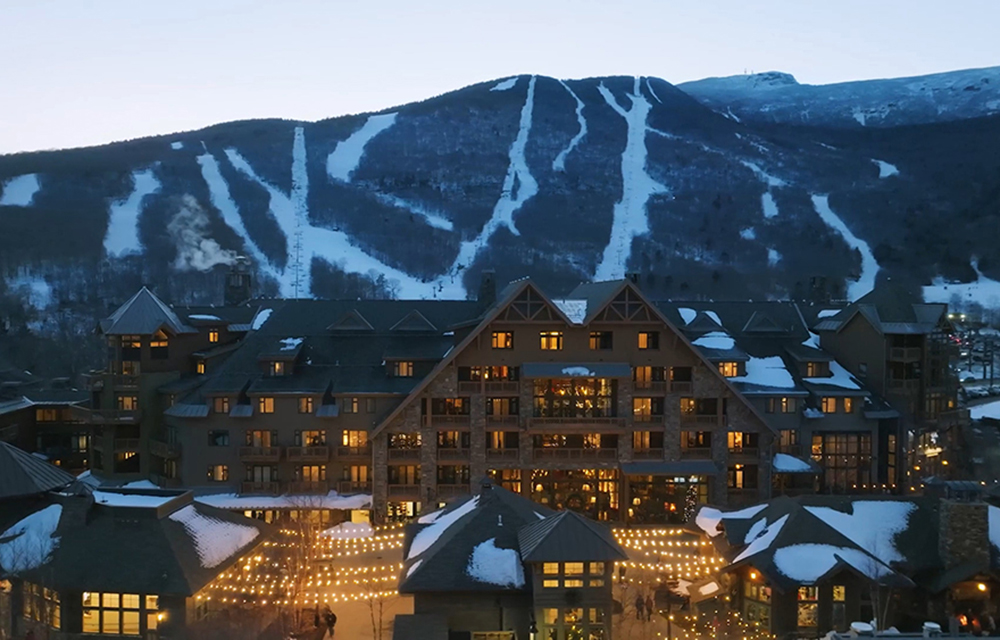
The Lodge at Spruce Peak recognized with Condé Nast Traveler’s 2026 Readers’ Choice Award - #3 in New England
Stowe, VT Condé Nast Traveler revealed the results of its annual Readers’ Choice Awards, with The Lodge at Spruce Peak recognized as the #3 U.S. Resort in New England.





Quick Hits
 (1).png)

Columns and Thought Leadership

Retail infill strategy to activate Pawtucket’s Conant Thread District - by Gaetan Kashala
Until recently, the Conant Thread District consisted of approximately 150 acres of underutilized industrial land spanning Pawtucket and Central Falls. Today, the area is one of the most significant

The legislature has spoken: New Hampshire doubles down on housing in commercial zones - by John Sokul
Last year, the New Hampshire Legislature enacted HB 631, a landmark housing measure requiring municipalities to permit multifamily housing in commercially zoned districts. The law generated

Revitalized Town Centers: Retail??? - by Carol Todreas
It is now widely accepted that customers want to shop in person at physical stores. Brands know that they do better business in a physical store than just on line so they want to open stores. Demand for retail space by digital merchants, local entrepreneurs, and newly developed national chains

IREM president’s message: Our new reality - Staying ahead of supply chain delays - by Yoany Vargas
Supply chain delays are slowing construction, ratcheting up operating costs, and extending turnover timelines across Greater Boston, directly reducing revenue and increasing the workload for multifamily and