News:
Construction Design & Engineering
Posted: May 22, 2026
ABC-Mass. chairman’s message: Rent control isn’t the answer to our housing crisis - by Luiza Mills

As you may know, Massachusetts voters will be weighing in on a number of ballot initiatives in November. Among them is a proposal to impose the nation’s strictest statewide rent control policy. I’d like to tell you why the ABC MA Board of Directors has voted to join Housing for Massachusetts, a coalition of small property owners, affordable housing developers, business and political leaders and housing advocates that oppose the proposal.
The state estimates that Massachusetts needs more than 220,000 additional housing units by 2035 to meet demand. The ballot initiative calls for limiting rent increases to the lower of 5% or the rate of increase in the consumer price index (CPI). Compare that to other states with rent control programs. California limits increases to the CPI plus five percentage points; in Washington and Oregon it’s CPI plus 10. Over the last 20 years, the average annual increase in the CPI has been 2.58%, but last year alone, property taxes rose by an average of 4.3% in Massachusetts.
This rent control policy would cause developers to shift their focus away from housing and many landlords would either take their units off the market or convert them to condos.
One of our ABC board members summed up the impact succinctly. “This restrictive rent control proposal will put a stop to housing production and lead to a degradation in housing across Massachusetts.”
Policies that would actually bring down housing costs by increasing supply include promoting competition and avoiding union-only project labor agreements and rejecting attempts to extend prevailing wage to cover offsite work, such as was the case for the Clarendon Hill project in Somerville, where the state determined the modular units built offsite were subject to prevailing wages.
The number of people choosing to leave Massachusetts has risen sharply in recent years and studies show that the biggest reasons are taxes, the cost of health care and housing. A key factor in controlling housing costs is to increase supply. We join with Housing for Massachusetts in opposing the rent control ballot initiative because it would have the opposite effect.
Luiza Mills is the chairman of Associated Builders and Contractors Inc.-Mass. Chapter and is a senior vice president at Interstate Electrical Services Corp., North Billerica, Mass.
MORE FROM Construction Design & Engineering
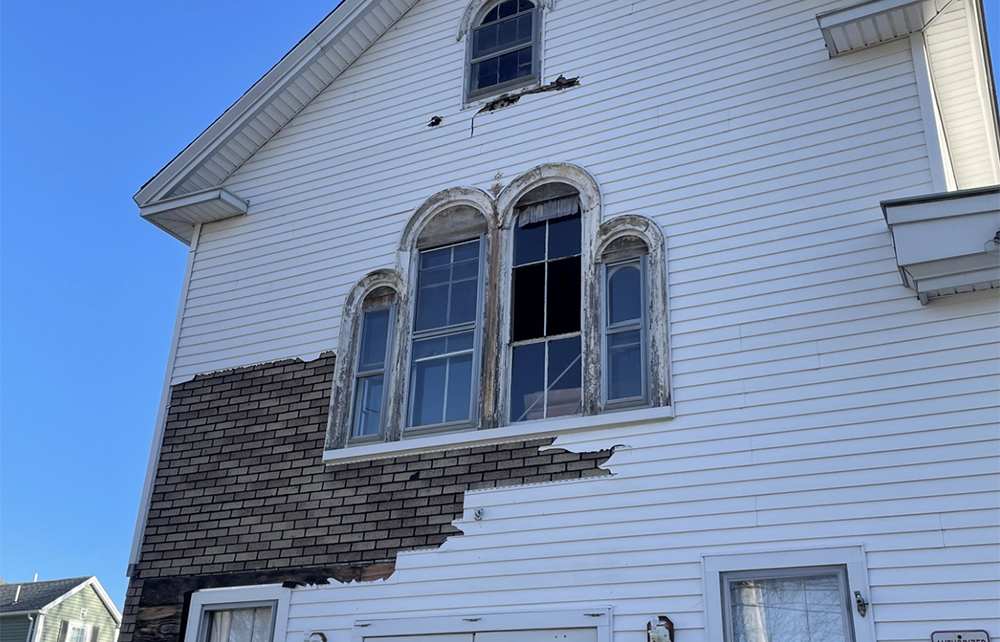
Horsley Witten Group releases redevelopment assessment for Merrimac, Mass. affordable housing project
Merrimac, MA Horsley Witten Group, an environmental consulting firm specializing in sustainable and resilient design solutions, worked with the town, and with MassDevelopment to lead a redevelopment assessment of two vacant, town-owned






Quick Hits


Columns and Thought Leadership

It’s time to lead: Confronting mental health in construction - by David Watts
As we close Mental Health Awareness Month, we must be clear: May isn’t just about ribbons, hashtags, or lunchtime mindfulness apps. It’s about responsibility to confront hard truths that linger in silence, and to challenge ourselves, as leaders in our industry, to do more.

Greenwood Credit Union City Hall Plaza nears completion - by Frank Picozzi
After several years of planning, construction, and anticipation, the community is eagerly awaiting the opening of the Greenwood Credit Union City Hall Plaza and outdoor skating rink later this month.

ABC-Mass. chairman’s message: Rent control isn’t the answer to our housing crisis - by Luiza Mills
As you may know, Massachusetts voters will be weighing in on a number of ballot initiatives in November. Among them is a proposal to impose the nation’s strictest statewide rent control policy. I’d like to tell you why the ABC MA Board

Navigating tariffs and material uncertainty in today’s construction market - by Karl Ginand and Tiffany Gallo
As headlines around tariffs seem to dominate the news daily, many considering construction projects have anticipated major cost escalations and widespread supply issues. While tariffs haven’t driven pricing spikes to the extent once feared, the lasting impact has been a new layer of uncertainty, affecting more than just budgets.

September Promotion